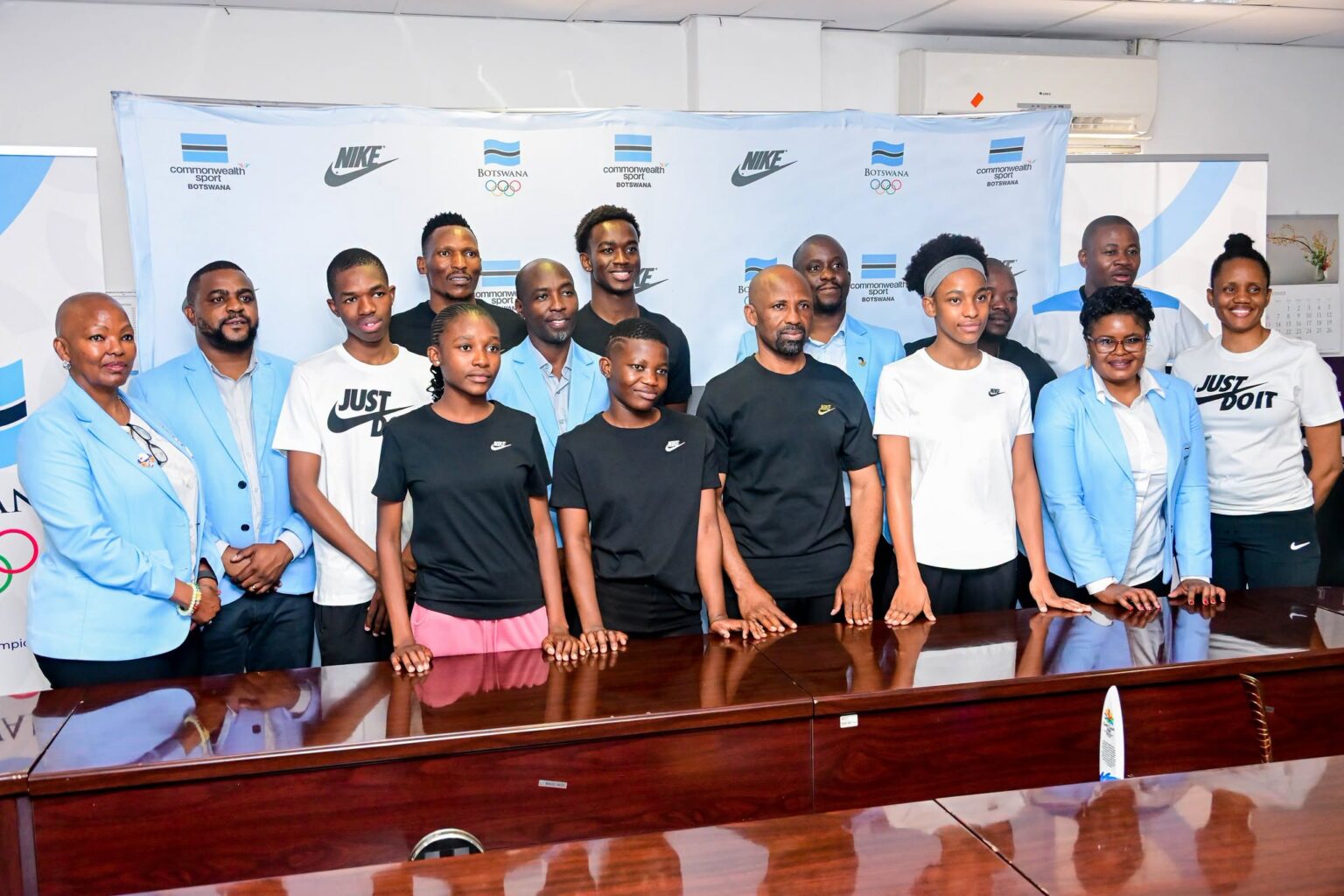
Botswana is preparing to make its mark on the continental sporting stage as it gets ready to send six young athletes to the 2026 African Youth Olympic Games in Dakar, Senegal. The event, scheduled to take place from 31 October to 13 November 2026, marks a historic moment for African sport as Dakar prepares to host the Youth Olympic Games for the first time on the continent. Botswana’s delegation will compete in four sporting codes, namely athletics, boxing, judo and swimming. The selection reflects the country’s commitment to developing young sporting talent and giving emerging athletes opportunities to compete against their peers from across Africa and beyond. For the six athletes, the Games will provide an important opportunity to represent their country, gain international experience and demonstrate the potential of Botswana’s next generation of sporting talent.
The 2026 African Youth Olympic Games will bring together young athletes in an international sporting environment that promotes competition, development and cultural exchange. Hosting the event in Dakar represents a significant milestone for Senegal and African sport, offering young competitors an opportunity to experience a major multisport event on the continent. The Games are designed to give emerging athletes exposure to high-level competition while encouraging the development of sporting talent at an early stage. For participating countries, the event also provides an opportunity to assess the progress of their youth development programmes and identify athletes who could compete at higher levels in the future. Botswana’s participation therefore carries significance beyond the results achieved in individual events, as it forms part of the country’s wider efforts to strengthen its sporting future.
Botswana’s six-member delegation will represent four sporting codes, giving the country a presence across several disciplines. Athletics will account for three competitors, while boxing, judo and swimming will each contribute to the delegation. This spread reflects an effort to provide opportunities to young athletes with different skills and sporting backgrounds. Participation in multiple disciplines can also help increase the visibility of sports that receive less public attention than the country’s best-known events. By supporting young competitors across these codes, Botswana can encourage wider participation and strengthen the foundation for future sporting development.
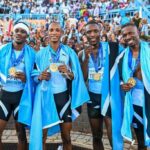
Athletics will be one of the main components of Botswana’s delegation, with three athletes scheduled to compete in middle-distance and sprint events. Two athletes will participate in the 800 metres, while another will compete in the 400 metres. The athletics team will be guided by coach Isaac Makwala, whose role will include helping the athletes prepare for the demands of international competition. The 400m requires a combination of speed, strength and race control, while the 800m demands both pace and tactical awareness. Competing in Dakar will give the young athletes an opportunity to test their preparation against international rivals and learn how to manage the pressure of a major sporting event.
Athletics has an important place in Botswana’s sporting ambitions, making the development of young runners a valuable investment in the country’s future. Exposure to international competition can help athletes understand different racing styles, improve their confidence and identify areas that need further work. For 400m and 800m competitors, experience in a competitive field can also improve their understanding of race positioning, pacing and decision-making under pressure. The guidance of coaches is central to this process because young athletes need structured training, appropriate recovery and technical support to continue progressing. The experience gained in Dakar could therefore contribute to their long-term development, regardless of the immediate results.
Boxing will also feature in Botswana’s six-athlete delegation, with a female boxer representing the country under the guidance of coach Kemoitsholetse David. Her participation highlights the importance of creating opportunities for young women to compete in sports that demand technical ability, discipline and physical preparation. Boxing requires athletes to combine defensive awareness, movement, timing and tactical judgement while maintaining their composure under pressure. International competition can help young boxers develop these skills and learn how to respond to different opponents. The experience could also encourage other young women in Botswana to explore boxing and pursue opportunities in competitive sport.
Judo and swimming will complete Botswana’s representation at the Games, adding two further disciplines to the national team. Both sports require sustained training, technical development and a strong understanding of competition rules. Judo places emphasis on balance, timing, control and the ability to respond quickly to an opponent’s movements. Swimming demands technical precision, physical conditioning and the ability to maintain performance throughout a race. For the athletes selected in these disciplines, the Games will provide valuable exposure to international standards and an opportunity to measure their progress against competitors from other countries.
The participation of athletes in different sporting codes also highlights the importance of developing a broad sporting base in Botswana. Young people have different physical abilities, interests and ambitions, so access to a range of sports can help more of them find suitable opportunities. Supporting disciplines such as judo, swimming and boxing can also strengthen the country’s sporting culture by encouraging participation beyond the events that traditionally attract the most attention. Development programmes need coaches, facilities, equipment and consistent competition opportunities to help promising athletes progress. International events such as the African Youth Olympic Games can provide motivation for young competitors while showing the wider public the value of investing in sport at grassroots level.
Botswana National Olympic Committee President Mr Sitale has emphasised the importance of recognising and investing in young athletes, who represent the future of Botswana sport. His message highlights the need to support promising competitors before they reach senior international level. Young athletes often require years of structured training and guidance to develop the skills, confidence and experience needed to compete consistently. Investment in coaching, access to suitable facilities and opportunities to participate in international events can help create the conditions for this progress. Supporting athletes at an early stage can also strengthen the pathway from grassroots sport to national teams and major international competitions.
The role of coaches will be especially important as Botswana’s young athletes prepare for the Games. Coaches help athletes develop technical skills, follow training plans and manage the physical and mental demands of competition. They also provide guidance on preparation, discipline and decision-making, all of which can influence performance in a high-pressure environment. For athletes travelling to an international event, preparation involves more than physical training because they must also adjust to new surroundings, competition schedules and unfamiliar opponents. The support provided by coaches and sporting organisations can help young competitors approach the Games with confidence and make the most of the experience.
Participation in Dakar will also offer Botswana’s athletes an opportunity to learn from competitors and sporting professionals from across Africa. International events expose young athletes to different coaching methods, competitive strategies and approaches to preparation. These experiences can help them recognise their strengths and understand where they need to improve. Competing abroad may also encourage athletes to set higher goals and remain committed to their training after returning home. The benefits of participation can therefore extend beyond the Games themselves, especially when athletes receive continued support and apply what they have learned to future competitions.
The African Youth Olympic Games also provide a platform for Botswana to raise its sporting profile and strengthen its presence in continental competition. Each athlete will have an opportunity to represent the country while contributing to the visibility of their respective discipline. Success at youth level is not measured only by medals, as progress can also involve improved performances, stronger competitive experience and greater confidence. These outcomes can help national sporting organisations identify future prospects and refine their development programmes. A strong youth sports system can support the long-term growth of Botswana’s national teams and create more opportunities for athletes to compete internationally.
As the Games approach, public encouragement and sustained investment will remain important to Botswana’s sporting ambitions. Young athletes benefit when their efforts receive recognition and when families, communities, coaches and sporting bodies work together to support their development. However, long-term progress requires more than enthusiasm around a single event. It also depends on reliable training opportunities, access to facilities, qualified coaches and continued participation in competitive sport. By maintaining this support after the athletes return from Dakar, Botswana can help turn the experience into lasting progress for its emerging sporting talent.
Botswana’s decision to send six athletes to the 2026 African Youth Olympic Games represents an important opportunity for the country’s next generation of sportsmen and sportswomen. With competitors in athletics, boxing, judo and swimming, the delegation reflects a commitment to developing talent across multiple disciplines. The guidance of coaches, the support of the Botswana National Olympic Committee and the experience gained through international competition will all contribute to the athletes’ development. As Dakar hosts this historic edition of the Games from 31 October to 13 November 2026, Botswana’s young representatives will have the chance to compete, learn and carry their country’s hopes onto the continental stage. Their participation is a reminder that investing in young athletes today can help build a stronger, more diverse and more competitive sporting future for Botswana.