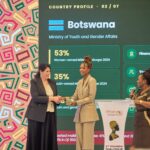

The launch of the Botswana Youth, Women and Citizen Oil and Gas National Training Programme has placed skills development at the centre of Botswana’s long term economic strategy. The initiative signals a deliberate shift toward preparing citizens for participation in emerging sectors beyond traditional industries. It comes at a time when Botswana continues to prioritise diversification to reduce reliance on diamond revenues. The programme targets young people and women who often face barriers to entry in high value industries such as energy and engineering. It also reflects growing national focus on building a workforce that can compete in complex technical fields linked to oil and gas value chains. The launch has been described as a structured step toward reshaping how citizens engage with the economy.
Minister of Youth and Gender Affairs Lesego Chombo delivered the keynote address and positioned the programme as a national mission rather than a routine training initiative. She emphasised that the oil and gas sector offers long term opportunities for employment, entrepreneurship and industrial growth. She stated that the programme is designed to equip participants with practical skills that can be applied across exploration, logistics, services and support industries. The Minister also highlighted that government intends to ensure citizens move beyond participation into leadership roles within these sectors. Her address reinforced the idea that economic transformation requires both access and readiness. She framed the initiative as a foundation for future industrial competitiveness.
A strong focus of her message was inclusive growth and economic ownership. She stressed that youth and women must not remain passive participants but should become innovators, entrepreneurs and decision makers. The government, she explained, will support this transition through mentorship programmes, improved access to finance and stronger market linkages. Institutional support systems are also expected to play a key role in helping participants move from training to enterprise creation. She further called for a shift in mindset toward productivity and discipline in order to maximise opportunities created by the programme. Ethical leadership, transparency and accountability were also emphasised as essential values in managing national resources responsibly.
Collaboration was presented as a critical factor for success in implementing the programme. The Minister encouraged stronger partnerships between government, private sector stakeholders and academic institutions. These partnerships are expected to strengthen curriculum design, expand practical training opportunities and improve employability outcomes. PYEC Coordinator Mrs Maipelo Sealetsa added that the initiative aligns with the Presidential Youth Empowerment Campaign focus on delivering practical and high impact opportunities. She noted that private sector involvement is essential for scaling job creation and ensuring that training leads to real economic participation. Her remarks reinforced the importance of linking skills development directly to industry demand and long term employment pathways.
The Botswana Youth, Women and Citizen Oil and Gas National Training Programme represents a strategic step toward reshaping the country’s economic structure and labour market readiness. It reflects a coordinated effort to prepare citizens for participation in a growing energy sector while addressing long standing inequalities in access to opportunity. The emphasis on skills, entrepreneurship and ethical leadership positions the programme as more than a training exercise. It also signals a broader commitment to inclusive development and economic resilience in Botswana. If effectively implemented, the initiative has the potential to expand national capacity and strengthen participation in high value industries.