
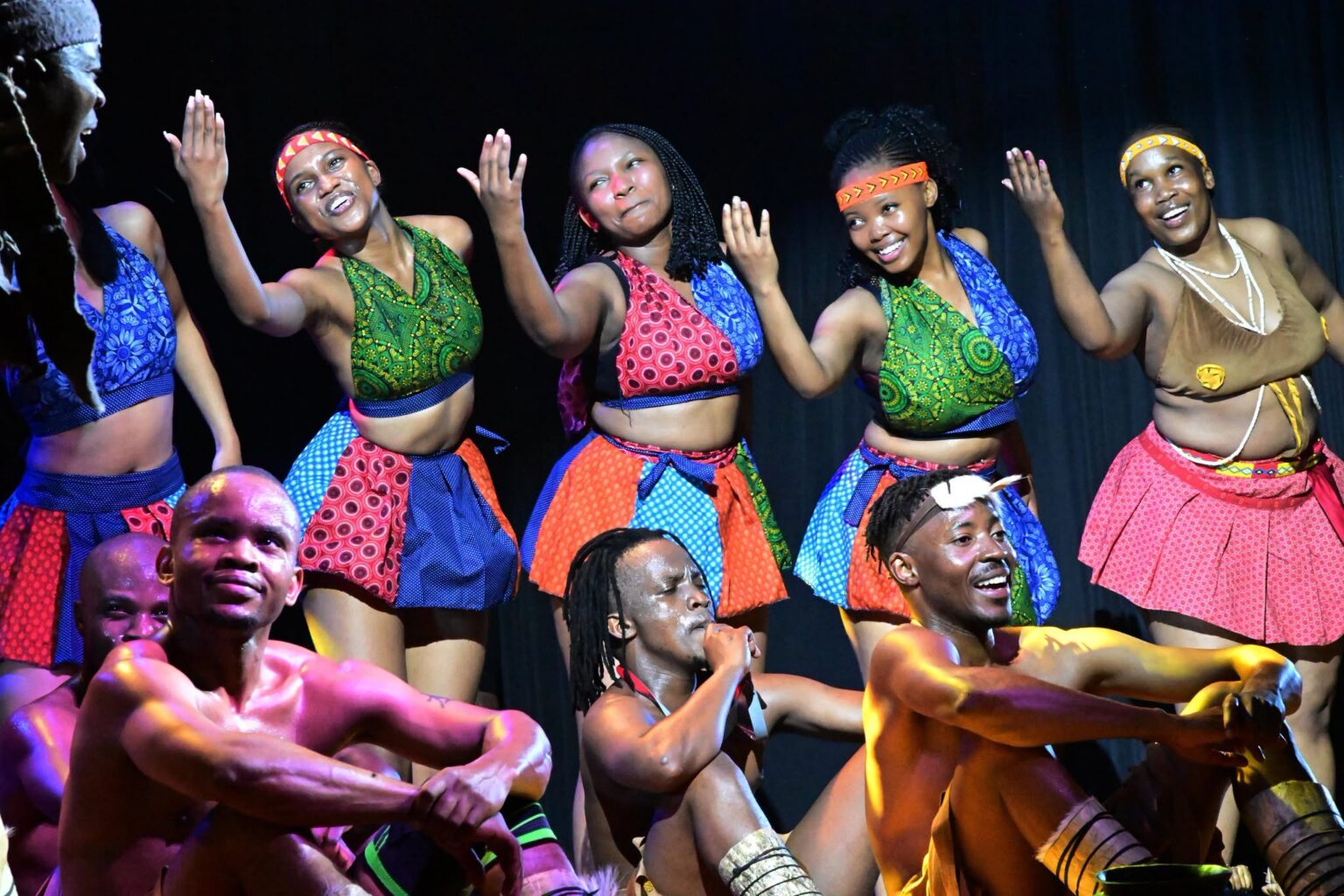
Botswana’s cultural identity, history and creative heritage took centre stage at the Civic Centre in Gaborone as Vice President and Minister of Finance Ndaba Nkosinatha Gaolathe officially launched Mophato Botswana’s Story, Told in Dance, a book by Motswana photographer Thalefang Charles. The launch formed part of the opening of Mophato Dance Theatre’s latest production, CHABA, which uses contemporary dance to explore Botswana’s stories, traditions and sense of identity. The event brought together the worlds of literature, photography, dance and cultural preservation in a celebration of the country’s artistic heritage. It also highlighted the growing importance of documenting Botswana’s creative work so that it can be experienced by audiences beyond the moment of a performance. Through the book and the production, Mophato is creating different ways for audiences to engage with Botswana’s history and culture while giving future generations a record of the artistic expressions of their time.
Delivering the keynote address, Gaolathe drew on the words of Botswana’s founding President, Sir Seretse Khama, who challenged the nation to write its own history books to demonstrate that its people had a past. Gaolathe said the message remains relevant because people need to understand themselves before they can properly explain themselves to the wider world. His remarks placed cultural knowledge at the centre of national identity and emphasised the importance of telling Botswana’s stories from the perspective of its own people. The launch of Charles’ book provided a practical example of this approach because it records the work of Batswana artists through the eyes of a Motswana photographer. The event therefore became more than a celebration of a new publication, as it also raised important questions about who documents history, whose perspectives are preserved and how cultural memory is passed to future generations.
Gaolathe connected the occasion to the Setswana saying, “Chaba e e senang ngwao ke moka e latlhegileng,” which refers to the danger facing a people without culture. The saying reinforces the idea that culture provides communities with a sense of belonging and continuity. Gaolathe explained that Botswana’s identity can be found in its language, poetry, music, dance, traditions and stories that have been passed from one generation to another. These forms of expression preserve knowledge about communities while also allowing people to interpret their past through creative work. By placing these cultural elements within a contemporary dance production, Mophato demonstrates how traditional identity can continue to evolve without losing its connection to the heritage from which it emerged.
For Mophato founder and director Andrew Kola, the occasion marked another chapter in a creative journey that has developed over many years. Gaolathe recognised the contribution made by Kola and Mophato to Botswana’s cultural landscape, particularly their work within the country’s continuing artistic tradition. The company has taken elements of Botswana’s inherited artistic vocabulary and brought them into conversation with contemporary performance. This approach allows traditional themes and cultural ideas to reach audiences through forms of expression that reflect modern artistic practice. It also demonstrates that cultural preservation does not necessarily mean keeping traditions unchanged, as artists can reinterpret inherited material while maintaining links to its original meaning and significance.
The launch also highlighted Mophato Dance Theatre’s role in identifying and developing young creative talent from across Botswana. Gaolathe commended the organisation for giving emerging artists opportunities to express themselves through dance and participate in the country’s growing creative sector. Opportunities of this nature can help young performers develop technical skills, confidence and professional experience while exposing audiences to new voices. The development of local talent is also important for ensuring that Botswana’s cultural sector continues to grow beyond established artists and institutions. By providing a platform for younger performers, organisations such as Mophato can contribute to a creative environment in which Botswana’s cultural stories continue to be interpreted by new generations.
Charles’ book adds another dimension to this cultural documentation by capturing Mophato’s performances, artists and creative journey through photography. Dance is an art form built around movement, meaning that performances exist for a limited period before they disappear from the stage. Photography can preserve selected moments from those performances and transform them into a visual record that can be revisited long after the curtains close. In this sense, Mophato Botswana’s Story, Told in Dance provides a lasting archive of the company’s work, its performers and the cultural themes explored through its productions. The publication allows audiences to engage with Mophato’s artistic journey in a different format while creating material that researchers, artists and future generations can use when looking back at Botswana’s contemporary cultural history.
Gaolathe described the fact that a Motswana photographer was documenting Batswana as particularly significant, describing the book as an opportunity to “turn the gaze homeward.” This idea speaks to the importance of local ownership in documenting culture and history. When artists document their own communities, they can bring perspectives shaped by shared language, experiences and cultural knowledge to the work. Such documentation can also challenge the tendency for African stories to be recorded primarily through external perspectives. Charles’ work demonstrates how photography can become part of a broader effort to preserve Botswana’s creative heritage while giving local artists an active role in deciding how their culture is represented.
The Vice President also stressed that cultural preservation should be linked to economic opportunity for artists. He argued that creative professionals should be able to earn dignified livelihoods from their work, highlighting the need for stronger creative infrastructure, intellectual property protection and access to markets. These issues are important because talented artists need more than performance opportunities if they are to build sustainable careers in the creative economy. Formalising creative enterprises can help artists establish clearer business structures, manage their intellectual property and pursue opportunities in local and international markets. Investment in cultural infrastructure and stronger systems for protecting creative work can therefore support both the preservation of Botswana’s heritage and the development of an economically viable creative sector.
The discussion around cultural entrepreneurship also places responsibility on artists and creative organisations to approach their work as sustainable enterprises. Artists can benefit from developing business skills, protecting their original work and identifying different ways to generate income from their creative output. Books, performances, photography, touring, licensing and other creative products can all contribute to a broader cultural economy when supported by appropriate infrastructure and market access. For organisations such as Mophato, the ability to document and package artistic work can create opportunities for audiences to experience that work beyond a live performance. The launch of Charles’ book therefore illustrates how creative production and cultural preservation can intersect with broader economic opportunities for artists and institutions.
The choice of the Civic Centre as the venue also connected the event to a place with its own history of cultural and performance activities. The Civic Centre has provided a space where artistic productions and cultural performances have contributed to Botswana’s public life. Holding the launch alongside the opening of CHABA added another layer to that history by bringing contemporary interpretations of Botswana’s identity into the same cultural environment. The production and the book complement each other by using different forms of storytelling, with dance communicating through movement and photography preserving visual moments from that movement. Together, they demonstrate how different creative disciplines can work together to document and communicate a nation’s cultural experience.
CHABA will continue at the Civic Centre until September 5, giving audiences an opportunity to experience Mophato’s contemporary interpretation of Botswana’s stories and traditions. The production provides a live platform for performers to explore identity, heritage and history, while Charles’ book offers a permanent visual record of the company’s artistic journey. Both projects underline the importance of ensuring that Botswana’s cultural heritage remains visible, accessible and relevant to future generations. Gaolathe’s remarks also reinforced the broader responsibility to create an environment where artists can preserve culture while building sustainable careers from their work. Through CHABA and Mophato Botswana’s Story, Told in Dance, Botswana’s creative community is making a clear statement about the value of documenting its own stories and ensuring that future generations can look back and know that their people were here.