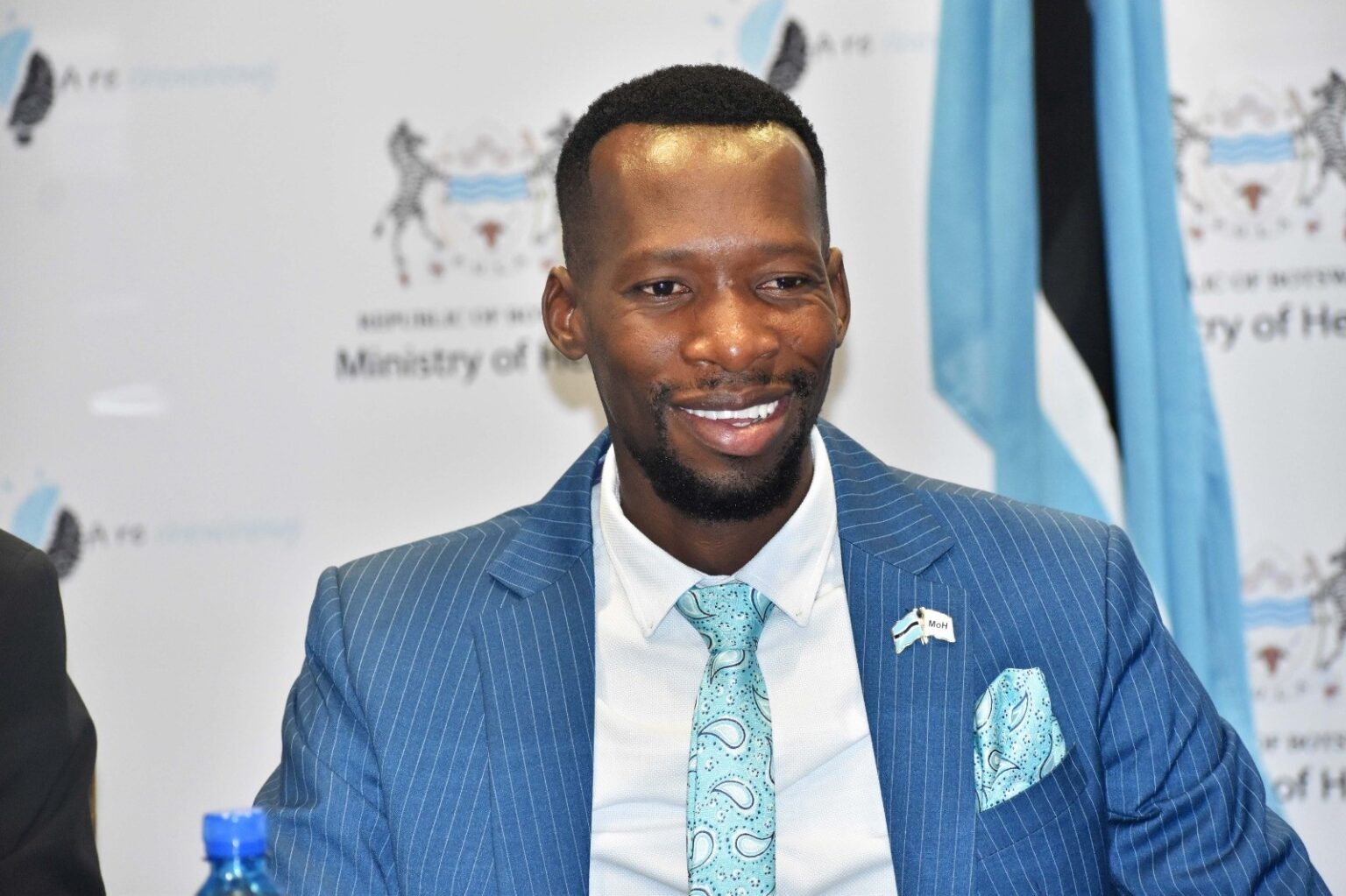
Assistant Minister of Health, Dr. Lawrence Ookeditse, has addressed the growing international momentum around the long-acting HIV treatment, Lenacapavir, acknowledging its potential benefits while emphasizing the financial challenges currently facing Botswana in rolling out the medication.
Speaking on the sidelines of the 13th International AIDS Society Conference in Kigali, Dr. Ookeditse confirmed that Botswana has not yet introduced Lenacapavir into its national HIV treatment program, despite growing global support led by the World Health Organization (WHO). The injectable antiretroviral, which only needs to be administered twice a year, has been lauded for its potential to improve treatment adherence and reduce the burden of daily medication for people living with HIV.
Dr. Ookeditse explained that while Botswana remains committed to innovation in HIV care, the cost of acquiring and distributing Lenacapavir poses a significant obstacle. “We recognise the clinical value of this treatment and what it can mean for patients, particularly in ensuring better adherence,” he said. “However, the financial constraints we face are real, and we are actively exploring partnerships and funding models to address them.”
His remarks come after WHO Director-General Dr. Tedros Adhanom Ghebreyesus urged countries to adopt Lenacapavir, highlighting its role in advancing global efforts to end the HIV epidemic. WHO is working closely with countries like Botswana to support the safe and timely introduction of the injectable.
Botswana has earned a strong reputation for its leadership in HIV prevention and treatment across the African continent. Dr. Ookeditse reiterated that the government is keen to maintain that momentum but must first ensure that any new intervention, including Lenacapavir, is introduced in a financially sustainable manner.
“Our ultimate goal remains the same—to provide effective, accessible treatment to all who need it. We are optimistic that with the right support, Botswana will be able to integrate Lenacapavir into its national response in the near future,” he concluded.
As global efforts to eliminate HIV/AIDS by 2030 intensify, Dr. Ookeditse’s comments reflect both the opportunities and the real-world challenges of implementing cutting-edge medical solutions in resource-constrained settings.