
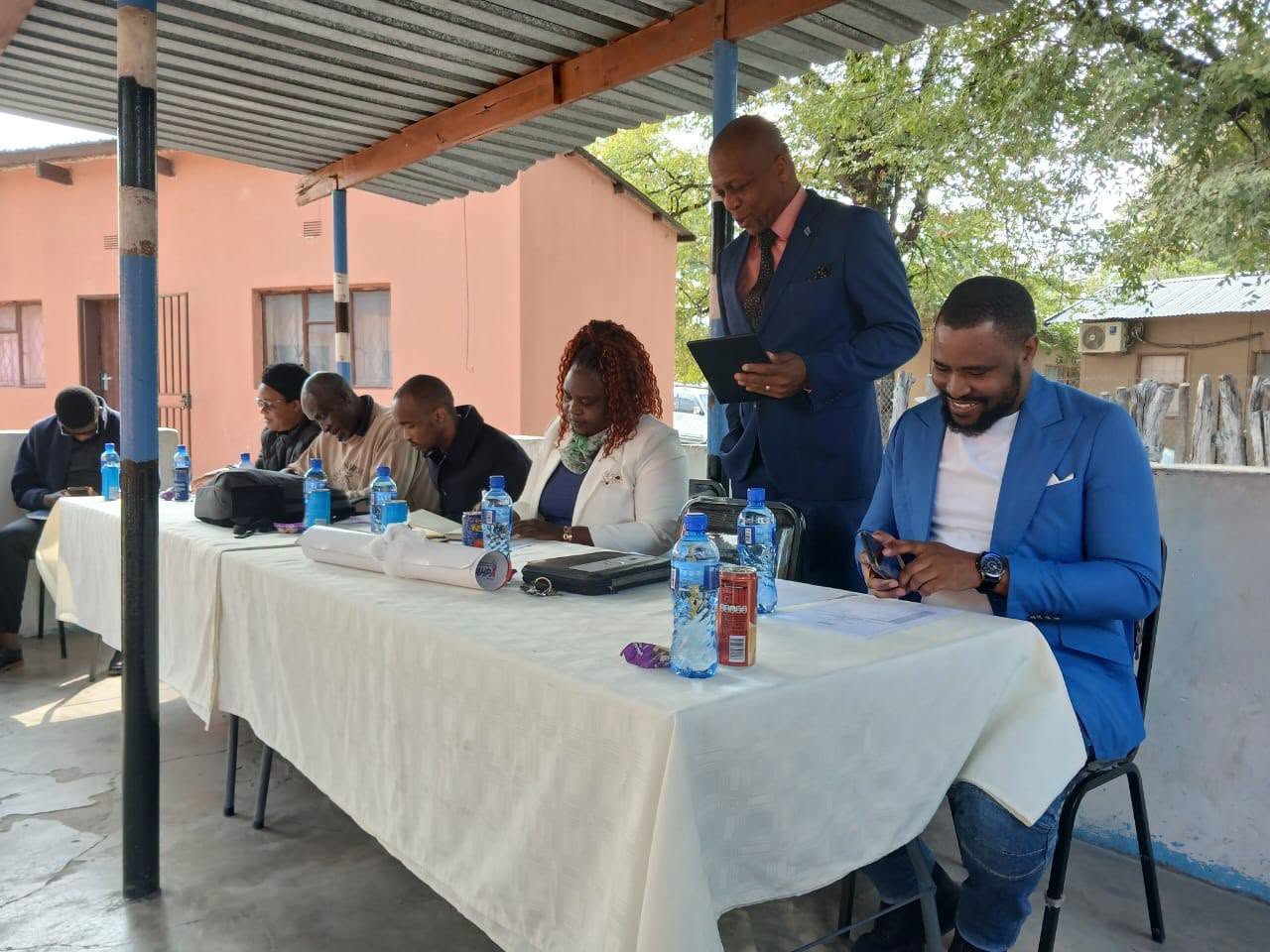
Efforts to address gender-based violence in Botswana are increasingly recognising the importance of engaging men in conversations about the causes and prevention of violence. At Riverside ward in Maun, the Department of Gender Affairs brought together men identified as perpetrators of gender-based violence and created a space for them to speak openly, reflect on their behaviour and examine some of the issues that may contribute to violent conduct. The engagement sought to move the conversation beyond responding to violence after it has occurred and towards preventing future incidents within families and relationships. While protecting women and children remains central to the fight against GBV, the initiative highlighted the importance of understanding the factors that can influence harmful behaviour among men. The discussion also reinforced the need for communities to provide appropriate support while holding perpetrators accountable for their actions.
The engagement was convened by the Department of Gender Affairs as part of efforts to address gender-based violence at community level. Rather than focusing only on the consequences of violence, the discussion encouraged participants to consider what happens before violence occurs and how communities can intervene earlier. Understanding attitudes, relationship problems, emotional struggles and other circumstances that may contribute to violent behaviour can help inform more effective prevention strategies. This does not mean excusing or minimising the actions of perpetrators, because individuals remain responsible for the harm they cause. Instead, it recognises that preventing repeated violence requires communities to examine the factors that allow harmful behaviour to continue and create opportunities for people to change.
District Coordinator in the Ministry of Youth and Gender Affairs, Ms Tshoganetso Mahupe, said creating safe spaces for men to discuss issues affecting them is an important part of addressing GBV at its roots. She explained that men need environments where they can openly deliberate on personal and social challenges without feeling that they must remain silent. Such spaces can allow interventions to address not only the consequences of violence but also the circumstances and attitudes that may contribute to it. Mahupe stressed the need to facilitate safe spaces as part of wider efforts to eliminate GBV from communities. Her message highlights the importance of combining accountability with prevention, education and access to appropriate support services.
The need for men to talk about their struggles emerged as an important theme during the engagement. Many communities have traditionally placed expectations on men to appear strong, independent and capable of dealing with difficulties without seeking assistance. These expectations can make it difficult for some men to acknowledge emotional problems, relationship difficulties or other personal challenges. When problems remain unaddressed, they can become more difficult to manage and may contribute to unhealthy behaviour within relationships. Creating spaces where men can discuss these challenges can therefore form part of a broader strategy to promote healthier relationships and prevent violence.
Delivering the discussion topic at the engagement, Mr Jerry Pearce, a representative of Vows and Bells, told the men that healthy relationships begin with how individuals understand and value themselves. He explained that violence is often connected to intimate and sexual relationships, making it important for people to understand concepts such as love, commitment and self-worth. A healthy relationship requires individuals to recognise their own value while also respecting the rights, boundaries and dignity of their partners. Understanding these principles can help people distinguish between healthy relationship behaviour and conduct that becomes controlling, abusive or harmful. Pearce’s contribution therefore placed personal development and relationship education within the wider conversation about preventing GBV.
Pearce also challenged the belief that asking for help represents weakness. He encouraged the men to speak to social workers, professional counsellors or trusted friends when they face personal difficulties that they cannot manage alone. He warned that keeping grievances and problems buried can leave individuals overwhelmed and make it harder for them to respond constructively to difficult situations. His message was that seeking support should be viewed as a responsible step rather than something that diminishes a person’s strength. He also called for communities to establish safe spaces where men can speak honestly about their struggles and access guidance before problems escalate.
The discussion also acknowledged that men can experience gender-based violence and that their experiences should not be ignored. Riverside Kgotla VDC Chairperson, Mr Kautjukwa Tjihambuma, recognised that women and children remain frequent victims of GBV but said men who experience abuse should also have avenues through which they can seek assistance. He argued that some men suffer abuse at the hands of women and that failing to provide appropriate support could allow problems to escalate. Tjihambuma called for organisations and community support structures that can assist men in the same way that established interventions support women facing violence. His remarks added another dimension to the discussion by emphasising that effective community safety requires people experiencing abuse to have access to help regardless of gender.
The issue raised by Tjihambuma also points to the importance of distinguishing between supporting male victims and shifting attention away from the disproportionate impact of GBV on women and children. Providing support to men who experience abuse does not reduce the need to protect women and children or hold perpetrators accountable. Instead, it can help communities develop a more complete understanding of violence and ensure that people who need assistance are not discouraged from seeking it. Men who experience abuse may also remain silent because of social expectations, fear of ridicule or concerns about how others will perceive them. Creating confidential and accessible support pathways can help ensure that these experiences are addressed before they contribute to further harm.
Riverside resident Mr Mopandeka Ndonda also emphasised the role of public education in breaking the silence around abuse and personal difficulties. He said men need to understand how to recognise abuse and, just as importantly, know where to seek assistance when they encounter difficult circumstances. Awareness can help people identify harmful behaviour before it becomes normalised within a relationship or family. It can also make it easier for individuals to seek intervention when they recognise that a situation is becoming unsafe. Public education therefore remains an important tool for changing attitudes and ensuring that community members understand both their rights and the support available to them.
The Riverside engagement demonstrates that preventing gender-based violence requires sustained community conversations rather than interventions that begin only after violence has occurred. Communities need opportunities to challenge harmful attitudes about relationships, masculinity, power and communication while encouraging healthier ways of dealing with conflict. Men can play an important role in this process by speaking openly about the pressures they face, learning to recognise harmful behaviour and supporting other men who need assistance. At the same time, conversations must continue to centre the safety and rights of victims while ensuring that perpetrators are held responsible for their actions. A balanced approach can create opportunities for behavioural change without weakening accountability.
The emphasis on safe spaces is particularly relevant because meaningful behavioural change often requires people to acknowledge problems before they can address them. A man who has learned that expressing vulnerability is unacceptable may struggle to seek assistance when facing anger, relationship conflict or other personal difficulties. Community structures can help challenge these beliefs by showing that asking for professional or personal support is a constructive choice. Social workers, counsellors, community leaders and other trained professionals can provide pathways for individuals who need guidance. Strengthening these connections at community level can help ensure that support is available before personal problems develop into situations involving violence.
The engagement at Riverside ward ultimately reinforces the idea that preventing the next act of gender-based violence can begin well before a police report is filed, a victim seeks shelter or a family experiences the consequences of violence. It can begin with honest conversations about relationships, self-worth, emotional wellbeing, abuse and responsibility. It can also begin when communities create safe and structured spaces where men are encouraged to speak, listen, seek help and confront harmful behaviour. Giving men an opportunity to reflect does not absolve perpetrators from responsibility, but it can create a pathway towards accountability and behavioural change. By combining protection for victims with prevention, education, support and meaningful engagement with men, communities in Maun and beyond can strengthen efforts to build safer families and reduce gender-based violence.