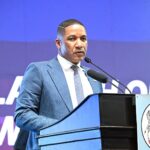

Honourable Boipuso Wynter Mmolotsi, Botswana’s Minister of Environment and Tourism, has provided a detailed update on the ongoing development of the Community Based Natural Resources Management (CBNRM) Bill, currently under debate in Parliament. Speaking to members of the media, the Minister highlighted the importance of the Bill in strengthening community-led conservation and sustainable resource management across the country.
The CBNRM Bill was introduced after a recognised gap in the existing legal framework was identified, particularly in terms of governance and accountability within the CBNRM programme. The absence of a solid legislative foundation has in the past hampered efforts to effectively manage natural resources while ensuring local communities directly benefit from conservation efforts.
Minister Mmolotsi emphasized that the primary objective of the proposed legislation is to enhance the governance and operational structure of the CBNRM programme. The Bill is designed to ensure that communities living in or near natural resource-rich areas have the tools, autonomy, and legal backing to manage those resources sustainably.
By aligning the programme with national development goals and international conservation standards, the Bill also aims to secure long-term economic and ecological benefits for participating communities. Minister Mmolotsi noted that the revised framework will promote transparency, equitable benefit-sharing, and the empowerment of local organisations.
The updated CBNRM Bill supports Botswana’s broader commitment to environmental stewardship, sustainable tourism, and poverty alleviation. It recognizes that natural resources, if properly managed, can serve as a foundation for rural development and a sustainable livelihood for future generations.
As the debate in Parliament continues, the Ministry of Environment and Tourism reaffirms its commitment to engaging stakeholders, including community trusts, NGOs, and conservation partners, to ensure the final version of the Bill reflects a shared vision for responsible natural resource management in Botswana.