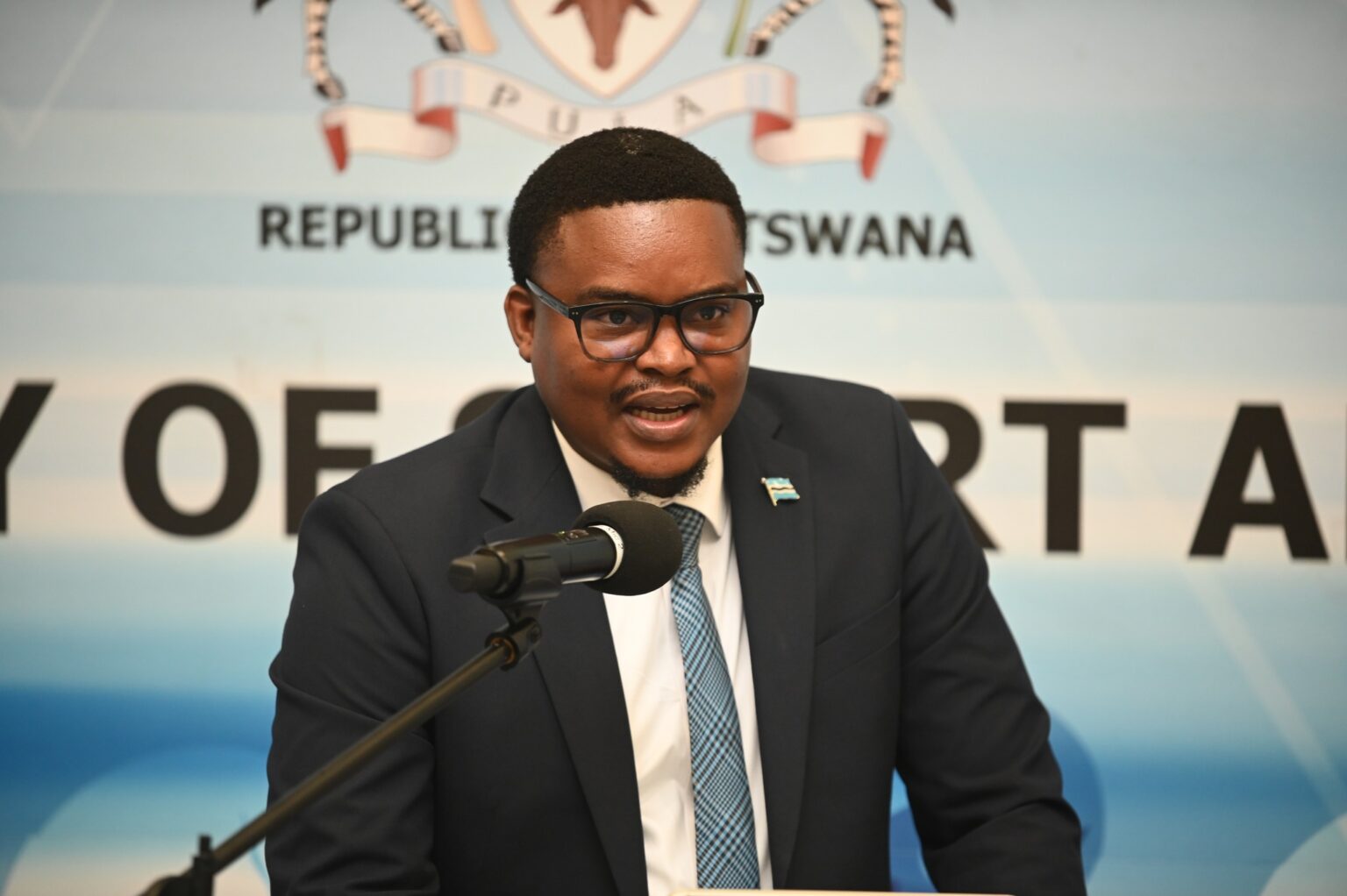
The Minister of Sport and Arts, Jacob Kelebeng, has addressed growing public concern over his silence regarding an ongoing doping case involving four Batswana athletes. The case has drawn wide attention after the athletes were placed under provisional suspension following positive anti-doping test results. The situation has created debate in the sports community, with many calling for a clear political response. The minister stated that his position is guided by strict international anti-doping regulations that restrict government involvement in active cases. His comments aim to clarify why the ministry has avoided issuing earlier public statements on the matter.
The affected athletes, Refilwe Murangi, Zibani Ngozi, Karabo Mothibi, and Lydia Jele, are currently challenging both the validity and handling of their anti-doping test results. They argue that the testing process and subsequent procedures may not have been conducted properly, and they are seeking a fair review of their cases. All four athletes remain under provisional bans while investigations continue through established sporting and legal channels. Their situation has sparked broader discussion about transparency and fairness in anti-doping enforcement. The uncertainty has also affected their sporting careers and future competition prospects.
According to Minister Jacob Kelebeng, international rules under the World Anti-Doping Code prevent government interference in ongoing cases. He explained that any political involvement during active proceedings could undermine the integrity of the process. He further noted that the World Anti-Doping Agency, known as WADA, imposes strict consequences on countries that violate these rules. His statement emphasized that compliance is not optional and must be followed to protect Botswana’s standing in international sport. The minister’s position reflects a commitment to allowing independent bodies to handle the matter without external influence.
Kelebeng also warned that failure to comply with WADA regulations could result in serious consequences for Botswana’s sporting reputation. He highlighted the possibility of sanctions that could prevent the country from hosting international sporting events. He also raised the risk that athletes could be required to compete under a neutral flag if violations are recorded at a national level. In such a scenario, the national anthem would not be played during medal ceremonies, which would affect national representation on the global stage. These potential outcomes underline the importance of strict adherence to anti-doping rules and procedures.
The minister confirmed that the government will allow all legal and sporting processes to run their course without interference. He stressed that independent judicial and disciplinary bodies must be given space to complete their work fairly and transparently. This approach is intended to protect both the integrity of Botswana’s sports governance and the rights of the athletes involved. The case remains under review, and final decisions will be made by the relevant authorities once all processes are complete. The situation continues to highlight the balance between accountability, athlete rights, and international compliance in modern sport.