The North East Region of Botswana has joined a growing national celebration of excellence in education by recognising teachers, school leaders, support staff, learners and partners who continue to make a meaningful contribution to the sector. The recognition ceremony at Shanganani CJSS brought together education stakeholders to celebrate individuals whose dedication has helped improve learning and strengthen schools across the region. More than 150 teachers, non-teaching staff and students were recognised for their commitment and achievements. The event also highlighted the important role played by parents, educational institutions and private-sector partners in creating an environment where learners can succeed. As Botswana continues to focus on the quality of its education system, such recognition provides an opportunity to celebrate achievement while encouraging even higher standards across schools.
Speaking at the ceremony, Guest Speaker Mr Ogaisitse Khama challenged education stakeholders to make excellence a culture rather than something pursued only when awards are at stake. His message placed responsibility on teachers, school leaders, parents, learners and other partners to maintain high standards in their daily work. Building a culture of excellence requires consistency, accountability and a shared understanding of the importance of education to the country’s future. Teachers have a central role in that process because their work directly influences learners’ academic development, confidence and ambitions. Recognising their achievements can therefore provide motivation while reminding the wider community of the value of dedicated educators.
Regional Director Mr Labane Mokgosi also used the occasion to commend the award recipients for their contribution to education in the North East Region. He encouraged parents to work closely with schools, stressing the importance of cooperation between families and educators in supporting learners. A learner’s progress often depends on what happens both inside and outside the classroom, making communication between parents and schools an important part of the education process. Parents can support teachers by monitoring academic progress, encouraging regular attendance and creating positive conditions for learning at home. Stronger partnerships between schools and families can help identify challenges early and give learners the support they need to reach their potential.
The recognition of more than 150 teachers, non-teaching staff and students demonstrates the wide range of people who contribute to the success of an education system. While teachers often receive much of the attention, administrative staff, support personnel and learners also play important roles in creating effective school communities. School leaders provide direction and help establish standards, while support staff contribute to the smooth operation of institutions. Learners themselves remain at the centre of the education system and their achievements provide a direct measure of the impact of the work being done by educators and families. Celebrating all these groups creates a broader understanding of what educational excellence looks like.
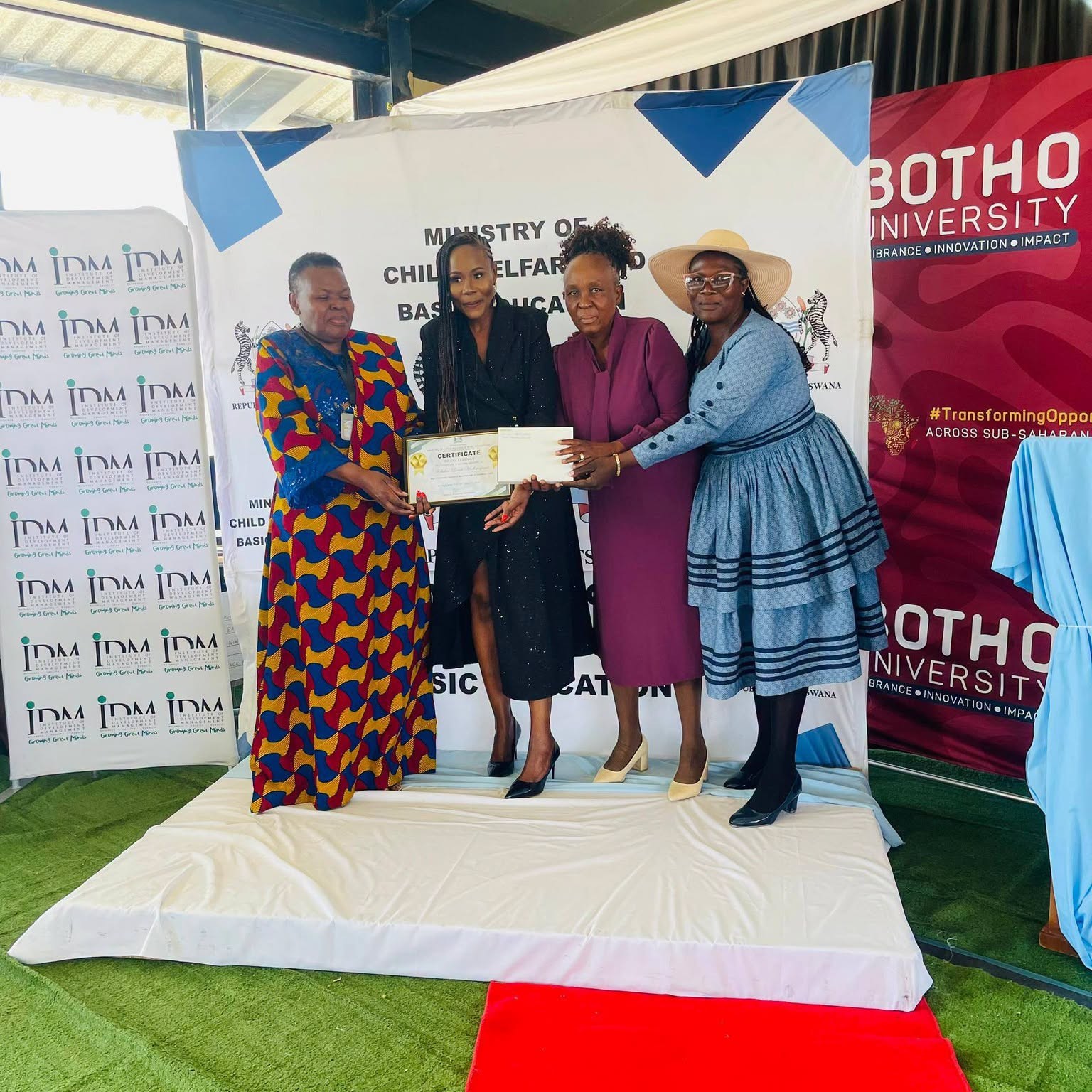
One of the notable moments of the ceremony was the special sponsorship award from Botho University presented to Mr Nkosinathi Baleni of Francistown Senior Secondary School. Baleni was recognised for his consistent outstanding performance in Literature and English over five consecutive years. Sustaining strong performance over such an extended period demonstrates commitment, subject knowledge and a consistent focus on learner development. His recognition also highlights the importance of rewarding educators who maintain high standards over time rather than focusing only on isolated achievements. The award provides an example of how excellence in teaching can have a lasting impact within a school and the broader education community.
The support from Botho University also demonstrates the potential contribution of private institutions and other partners to education development. Partnerships between educational institutions and external organisations can provide additional opportunities to recognise achievement and encourage innovation. Sponsorship awards can also help bring greater attention to teachers whose work may otherwise receive limited public recognition. When businesses and institutions support education initiatives, they become part of a wider effort to strengthen human capital and improve opportunities for young people. The involvement of Botho University in recognising Baleni adds another dimension to the ceremony by showing how different stakeholders can contribute to celebrating educational achievement.
The North East Region’s recognition ceremony also comes at a time when education remains central to Botswana’s long-term development ambitions. Schools are responsible for preparing young people with knowledge, practical skills and values that can help them participate meaningfully in society and the economy. This requires educators who are committed to their profession and willing to adapt to changing learner needs. It also requires school leaders who can support teachers, parents who remain involved and learners who take responsibility for their education. Recognition programmes can reinforce these expectations by highlighting individuals and teams that demonstrate the standards the education sector wants to promote.
For the teachers and support staff who received recognition, the awards represent an acknowledgement of work that often takes place away from public attention. Educators spend considerable time preparing lessons, assessing learners, offering guidance and responding to different academic needs. Their responsibilities extend beyond classroom teaching because they often contribute to extracurricular activities, learner welfare and the overall development of school communities. Non-teaching staff also help schools function effectively through administrative, operational and support services. By recognising these contributions, the ceremony reinforces the idea that a successful school depends on the combined efforts of many people.
The achievements of learners recognised at the ceremony are equally important because they demonstrate the outcomes that education stakeholders are working to achieve. Student success can encourage other learners to set higher academic goals and take greater responsibility for their studies. It can also give parents and teachers tangible evidence that sustained support and hard work can produce positive results. Celebrating learners alongside educators creates a connection between teaching efforts and academic achievement. It sends a message that excellence should be recognised at every level of the education system.
The call for excellence to become a culture is particularly relevant because meaningful improvement cannot depend entirely on occasional awards or special events. Excellence requires daily effort from everyone involved in education, from the classroom teacher preparing lessons to the parent supporting homework and the learner taking responsibility for academic progress. It also requires institutions to create systems that encourage accountability, professional development and continuous improvement. Recognition ceremonies can reinforce those values, but the real impact comes when the standards celebrated at such events become part of everyday school life. The North East Region’s ceremony therefore serves both as a celebration of past achievements and a reminder of the work that remains ahead.
The event at Shanganani CJSS has provided the North East Region with an opportunity to celebrate the people helping to move Botswana’s education sector forward. More than 150 educators, support staff and learners were recognised, while the special Botho University sponsorship award for Mr Nkosinathi Baleni highlighted the impact of sustained excellence in teaching Literature and English at Francistown Senior Secondary School. The messages from Mr Ogaisitse Khama and Regional Director Mr Labane Mokgosi also reinforced the importance of making excellence a shared culture and strengthening cooperation between parents and schools. With continued commitment from educators, learners, families, government institutions and education partners, recognition of achievement can help build stronger and more motivated school communities. The North East Region’s celebration ultimately shows that investing in people and acknowledging their dedication remains an important part of strengthening education and creating better opportunities for Botswana’s learners.