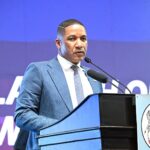
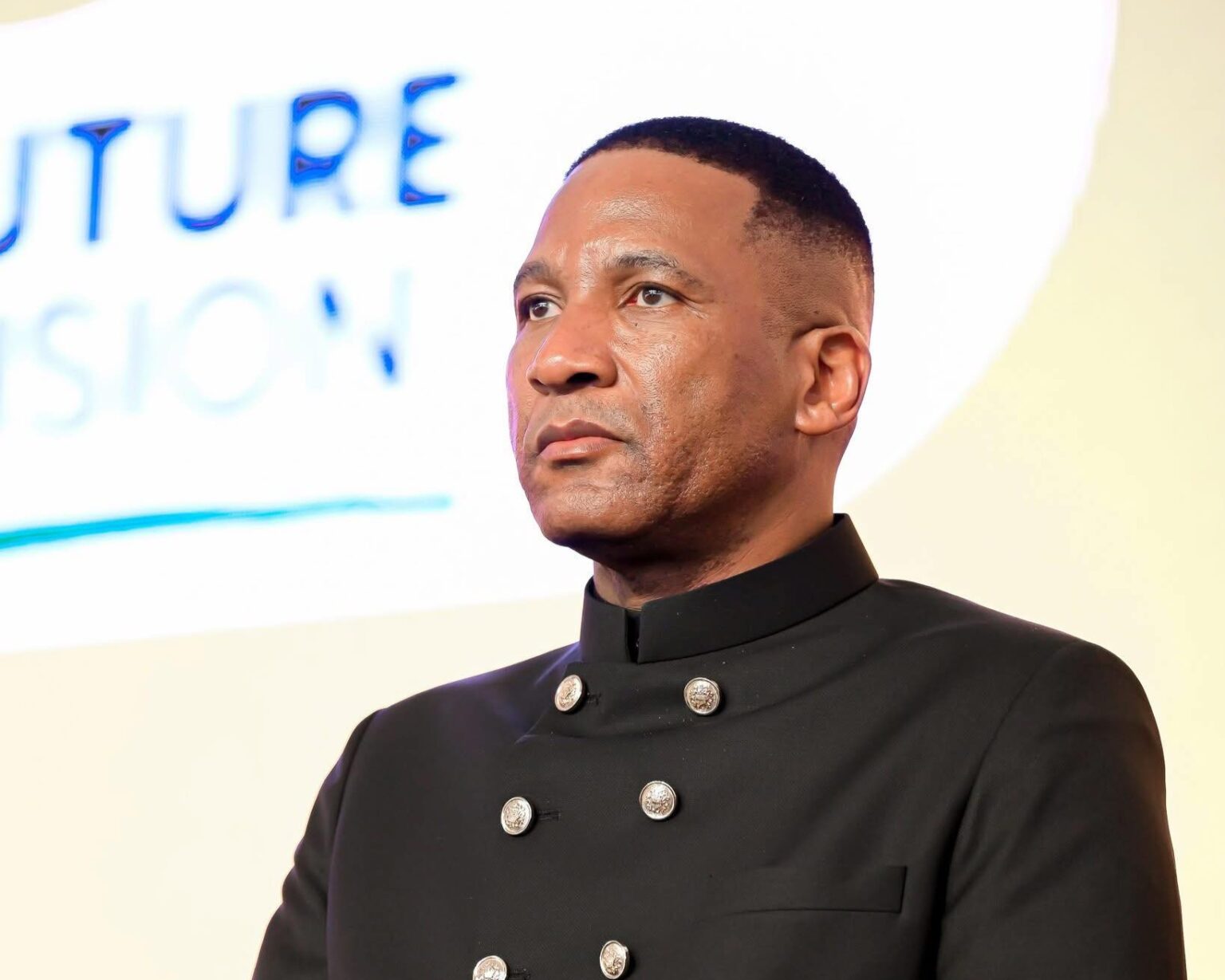
Gaborone, Botswana – As student unrest over tertiary education allowances gains momentum, President Duma Boko has responded with a firm message, offering two possible paths forward regarding the contentious P2 500 allowance demand. Speaking at the ongoing Botswana National Front (BNF) Congress, the president addressed growing calls from tertiary learners for the government to fulfil its promise of increasing student monthly stipends.
President Boko acknowledged the concerns but cautioned against unrealistic expectations given the current economic climate. He explained that while the aspiration to raise allowances is valid, the country’s fiscal state demands difficult choices.
“Students can either wait patiently until the economy recovers, or we reduce the number of government-sponsored students by half and give the remaining ones the P2 500,” said Boko. “What students are insinuating out of ignorance and immaturity is that if I give them P2 500, perhaps I’ll have to cut half of them. Or they settle for P1 900 now, and we increase it over time when the economy is revived — it’s a choice.”
The president’s remarks have sparked debate, with some viewing them as a pragmatic take on balancing national priorities, while others see them as dismissive of student struggles amid rising living costs. Students across the country have been vocal about the need for an increased allowance, citing transportation, food, and accommodation expenses as major challenges.
Boko emphasized that the government remains committed to investing in education, but stressed that sustainable solutions require honest dialogue and national consensus. He urged students to look beyond immediate demands and understand the broader economic realities Botswana is facing.
As discussions continue, the issue of tertiary education funding is likely to remain a central focus in the political and public discourse, especially as the government navigates post-pandemic recovery efforts and long-term fiscal planning.