
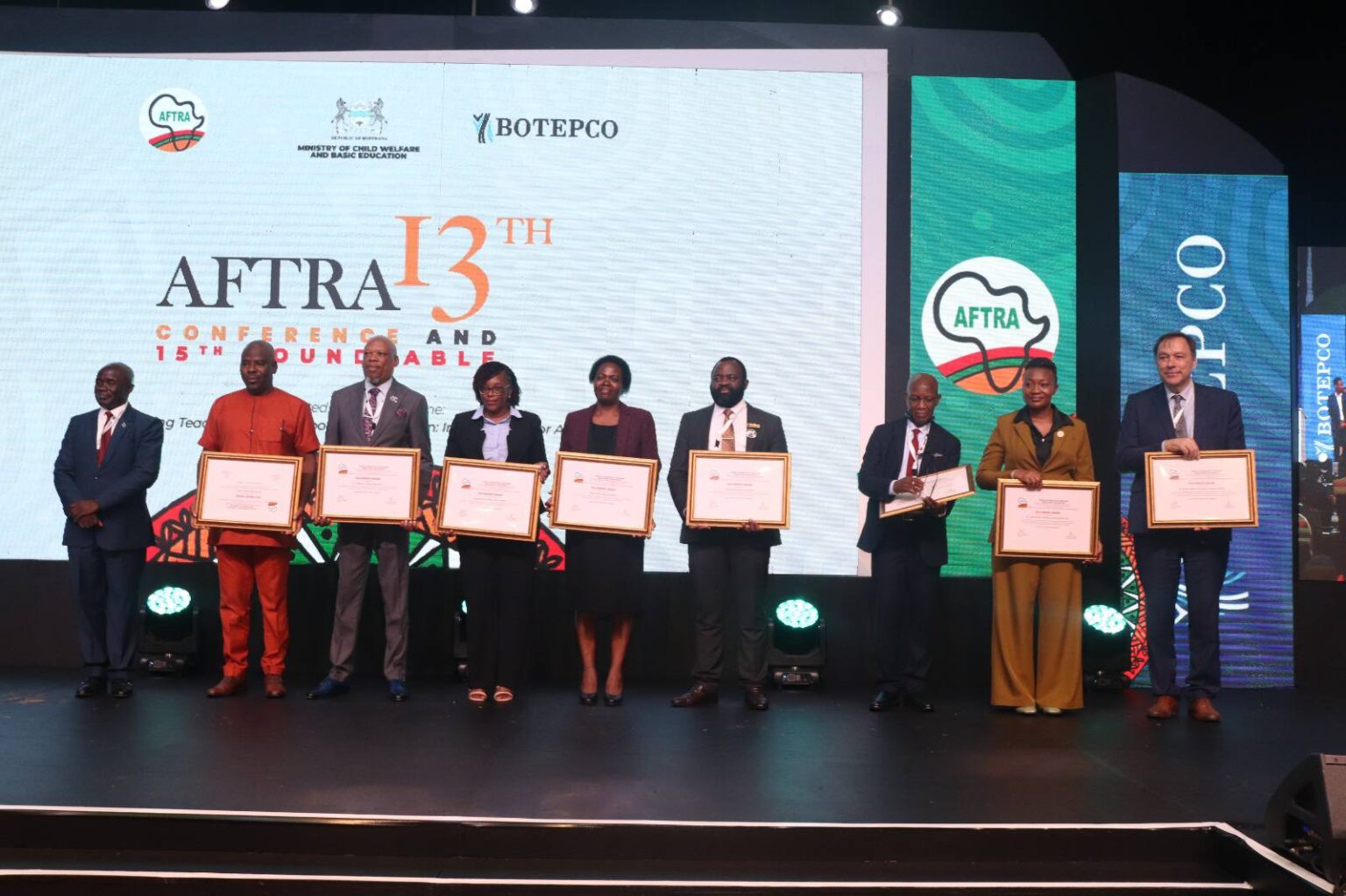
The President of the Republic of Botswana, Duma Gideon Boko, has positioned education at the center of Africa’s future growth during a major continental gathering of teaching authorities. Speaking at the opening of the Africa Federation of Teaching Regulatory Authorities 13th Conference and 15th Roundtable, he called for a unified approach to shaping the future of teaching and learning across Africa. The event took place at the Gaborone International Convention Centre and brought together policymakers, regulators, and education leaders from across the continent. His message focused on aligning education systems with modern demands while strengthening professional standards. The conference theme, Recasting Teaching As A Collaborative Profession: Implications for Africa, framed discussions around innovation, cooperation, and long term transformation.
President Boko described the conference as a critical moment for reflection within the teaching profession. He stressed that educators and regulators must examine current practices and identify gaps that limit progress. He pointed out that the profession must evolve to meet the needs of a fast changing world shaped by digital tools and global competition. According to him, this moment requires careful thought, open dialogue, and decisive action that leads to measurable outcomes. His remarks underscored the need for teaching to move beyond traditional methods and embrace a more collaborative and adaptive model.
A key focus of his address was the growing influence of artificial intelligence and technology in education systems. He urged stakeholders to define the competencies teachers must develop to remain effective in modern classrooms. These include digital literacy, critical thinking skills, and the ability to manage technology driven learning environments. He also highlighted the importance of continuous professional development that keeps teachers updated with global trends. In addition, he emphasized the need for strong regulatory frameworks that guide how educators are licensed, monitored, and supported in increasingly digital settings.
President Boko made it clear that investment in education is not optional but essential for national and continental development. He stated that education forms the foundation upon which economic growth, innovation, and social stability are built. When countries invest in their teachers and education systems, they strengthen their future workforce and leadership capacity. He linked education directly to Africa’s ability to compete on a global stage. His remarks reinforced the idea that long term success depends on how well nations prepare their learners today.
In her address, the Minister of Child Welfare and Basic Education, Kebuang Nono Kgafela-Mokoka, emphasized the significance of hosting the conference in Botswana. She expressed appreciation for the collaboration between her ministry, the Botswana Teachers Professional Council, AFTRA, and other partners. She described the event as a rare opportunity that Botswana values deeply. Her remarks reflected a strong commitment to using the conference outcomes to improve the education sector. She also acknowledged the trust placed in Botswana by other African nations to host such an important gathering.
The Minister highlighted the importance of partnerships in strengthening the teaching profession across Africa. She noted that support from organizations like AFTRA plays a critical role in improving standards and professional conduct. She expressed confidence that the collaboration will lead to practical actions that benefit both teachers and learners. Her focus remained on ensuring that outcomes from the conference translate into real improvements in classrooms. She stressed that stronger professional standards ultimately lead to better learning outcomes for children.
Delivering remarks on behalf of AFTRA, President Ebby Mubanga thanked Botswana for hosting the event and supporting the organization’s mission. He explained that the conference theme reflects the need to view teaching as a profession shaped by social, political, and community factors. He highlighted that collaboration is key to addressing shared challenges across African education systems. His message reinforced the idea that no single country can transform education alone. Instead, collective effort and shared knowledge are required to drive meaningful change.
The conference attracted a wide range of high level participants, including Assistant Minister Justine Hunyepa, education ministers from various African countries, diplomats, and representatives from international organizations such as UNESCO and UNICEF. Their presence highlighted the importance of the event and the shared commitment to advancing education across the continent. These stakeholders bring diverse perspectives and expertise that contribute to stronger policy discussions. Their involvement also signals global support for Africa’s education agenda.
The discussions at the AFTRA conference reflect a growing recognition that education systems must adapt quickly to remain relevant. Leaders emphasized the need for policies that respond to current realities while preparing for future challenges. The focus on collaboration, innovation, and professional growth shows a shift toward more dynamic education systems. President Boko’s remarks captured this shift clearly by linking teaching reforms to Africa’s broader development goals. The conference stands as a platform for shaping policies that will influence generations to come.