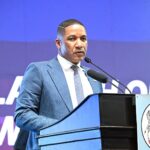

The implementation of the Secure Land Tenure (SLT) program has fallen short of expectations, with only two percent of land titles issued to date. Acting Minister of Lands and Agriculture Dr. Edwin Dikoloti revealed this during the official opening of the 2025 National Land Pitso in Francistown on Wednesday.
Dr. Dikoloti said the slow pace of title issuance underscored the need for urgent action to accelerate land registration and improve administrative efficiency. He emphasized that without tangible progress, the goal of transforming land into a key driver of economic growth would remain distant.
He explained that the SLT program was introduced to formalize land ownership, particularly for customary grants, to unlock the economic potential of rural areas. By providing secure land titles, the program aimed to enable citizens to use their land as collateral for credit, attract investment, and promote sustainable development.
Dr. Dikoloti said this year’s theme, Shifting Lenses: Land for Economic Transformation, was a call for bold reforms in land governance. It urged stakeholders to reimagine how land management could drive productivity, attract investment, and empower communities.
He noted that land remained central to Botswana’s socio-economic progress. “Land is the foundation of human identity and the bedrock of economic activities. Every sector from agriculture, tourism, infrastructure, mining, and commerce depends on how effectively it is planned, allocated, and used,” he said.
The minister added that with population growth and increasing development pressures, efficient and ethical land management had become more urgent than ever.
Turning to agriculture, Dr. Dikoloti stressed its role in ensuring national food security and driving rural livelihoods. However, he said the sector continued to face challenges, including fragmented land holdings, underutilized ranches, idle ploughing fields, and an aging farming population.
“Despite these challenges, government has prioritized the agricultural sector to transform the economy of the country,” he said.
Dr. Dikoloti reiterated the government’s commitment to ensuring that land policies align with national development goals. He said the SLT must be strengthened through improved coordination between institutions, faster registration processes, and greater public awareness.
He called on traditional leaders, local authorities, and land boards to work together to achieve tangible outcomes. “We must ensure that our land management systems serve citizens efficiently and equitably. The future of our economic transformation depends on it,” he concluded.
The National Land Pitso brought together policymakers, traditional leaders, and development partners to review progress and chart new strategies for the land sector. The event highlighted that while reforms are underway, effective implementation will determine whether land becomes a catalyst for inclusive and sustainable economic growth.