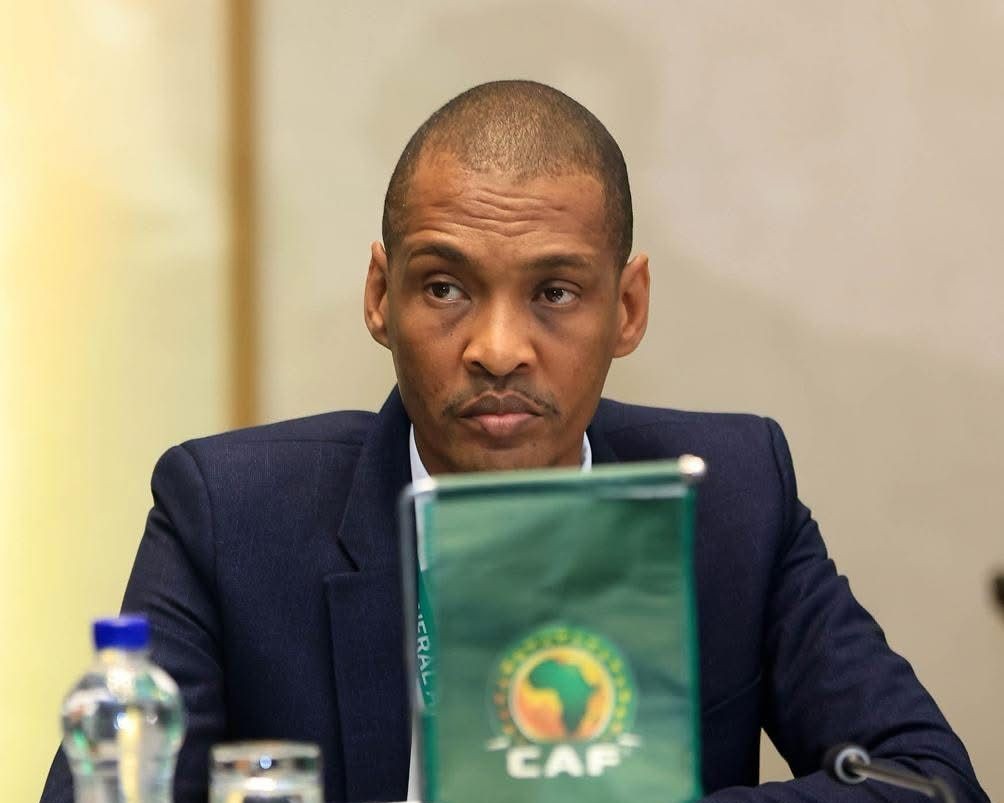
Botswana football is set for a major leadership milestone as Botswana Football Association (BFA) president Tariq Babitseng prepares to become COSAFA’s youngest president when he assumes office in Harare on Sunday. His appointment marks a significant moment for regional football governance and places Botswana once again at the center of Southern African football leadership. Babitseng will also become only the second Motswana to hold the COSAFA presidency, following Ismail Bhamjee, who led the organisation between 1992 and 2006. His elevation reflects both continuity and change within the regional football body. It also signals growing influence for Botswana in shaping the future direction of Southern African football.
The COSAFA elective congress will take place on Sunday, where Babitseng is expected to officially take over the leadership role without opposition. His unopposed candidacy reflects broad acceptance among member associations and suggests confidence in his leadership direction. He will succeed Angola’s Artur de Almeida e Silva, who has served as COSAFA president since 2022. The transition comes at a time when regional football continues to focus on development, competitiveness and improved governance structures. Babitseng’s entry into the role introduces a younger leadership profile that many see as aligned with modern football administration trends.
Babitseng’s rise to the COSAFA presidency represents a notable shift in leadership demographics within African football administration. Becoming the youngest president in COSAFA’s history highlights a generational change that may influence how the organisation approaches development programs and regional competitions. His background within Botswana football administration has positioned him as a forward-looking leader with a focus on structural improvement and youth development. Stakeholders across the region view his appointment as an opportunity to strengthen collaboration among member associations. It also reflects a growing openness to younger leadership in continental football governance structures.
In a recent statement, the Botswana Football Association described the development as a transformative moment for Botswana football. The association emphasized that Babitseng’s elevation to a regional leadership role reflects the progress made within the country’s football structures in recent years. It also highlights the increasing recognition of Botswana’s administrative capacity within COSAFA and beyond. The statement framed the appointment as a step forward not only for the individual but for the broader football ecosystem in Botswana. This perspective underscores the importance of leadership representation in regional sports bodies.
The significance of Babitseng’s appointment extends beyond symbolic representation, as COSAFA plays a central role in developing football across Southern Africa. The organisation oversees regional tournaments, youth competitions and development initiatives that contribute to the growth of the sport. Leadership decisions within COSAFA influence funding priorities, competition structures and talent development pathways. Babitseng will therefore assume responsibility at a critical time when member nations are focusing on strengthening grassroots football systems. His leadership approach will be closely watched as the region seeks to enhance competitiveness on the continental stage.
His appointment also reinforces Botswana’s growing footprint in African football governance. With Ismail Bhamjee having previously served as COSAFA president for over a decade, Babitseng’s leadership marks a return of Botswana to the top level of regional decision-making. This continuity highlights the country’s long-standing involvement in football administration within Southern Africa. It also reflects the development of administrative expertise within the Botswana Football Association over time. The renewed representation at COSAFA level is expected to strengthen Botswana’s voice in regional football discussions.
Attention will now turn to how Babitseng uses his position to influence development priorities across COSAFA member associations. Key areas likely to receive focus include youth development, women’s football growth and improved competition structures. Regional cooperation remains essential for addressing challenges such as infrastructure gaps and talent retention. Strong leadership at COSAFA level is expected to play a crucial role in aligning member associations toward shared goals. Babitseng’s tenure will be measured by both administrative effectiveness and the impact of development initiatives across participating nations.
The upcoming transition in Harare marks more than a routine leadership change, it signals a generational shift in regional football governance. With Tariq Babitseng set to take office unopposed, expectations are high for a dynamic and forward-thinking approach to leadership. His appointment reflects both personal achievement and national pride for Botswana football. It also places responsibility on him to guide COSAFA through an evolving football landscape in Southern Africa. The moment represents a defining chapter for both his career and the broader trajectory of regional football development.