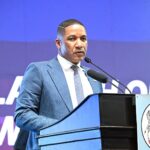
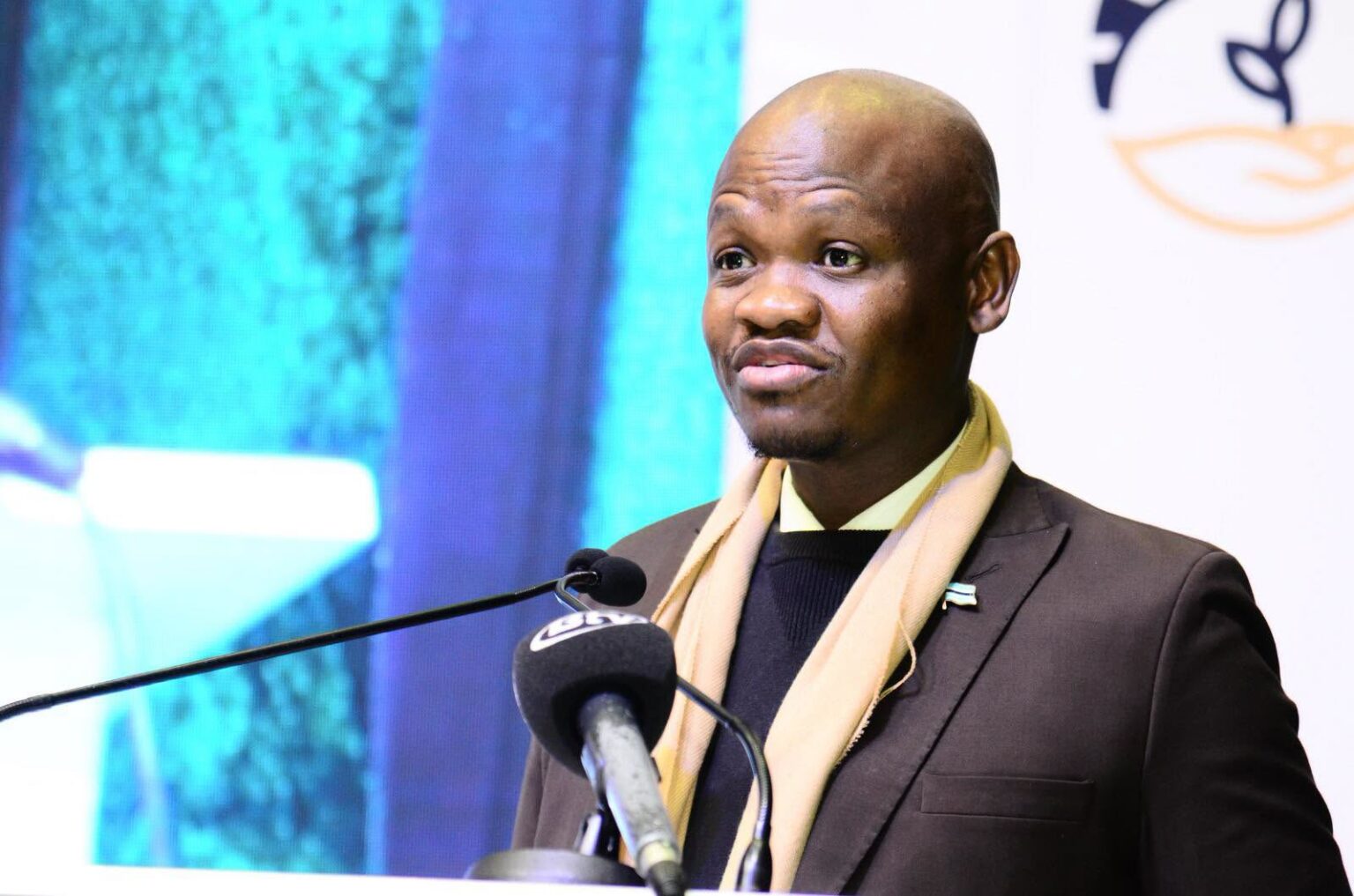
The Minister of Lands and Agriculture, Dr Edwin Dikoloti, has reaffirmed Botswana’s commitment to sustainable land use and livestock development during the Global Private Sector Forum on Sustainable Rangelands and Livestock Systems. The forum forms part of the GEF-7 Dryland Sustainable Landscapes Impact Programme, a global initiative focused on restoring degraded ecosystems and improving rural livelihoods. Dr Dikoloti welcomed international delegates and highlighted Botswana’s unique ecological diversity, where rangelands, wildlife systems, livestock production and rural communities are closely interconnected. He stressed that these systems must be managed in balance to ensure long-term productivity and environmental stability. The engagement placed Botswana’s land management agenda within a broader global conversation on sustainability and climate resilience.
Dr Dikoloti noted that the timing of the forum is critical as the world prepares for UNCCD COP17 and the International Year of Rangelands and Pastoralists 2026. He explained that global attention is increasingly shifting toward sustainable land management practices that address climate change, food insecurity and ecosystem degradation. In Botswana, these challenges are already visible through recurring droughts, pressure on grazing land and declining land productivity in some areas. The Minister emphasized that the country must respond with practical solutions that strengthen resilience at both community and national levels. He positioned Botswana as an active contributor to global efforts aimed at restoring dryland ecosystems.
A major focus of the Minister’s address was Botswana’s agricultural transformation agenda, which aims to raise the sector’s contribution to GDP from 2 percent to 6 percent. He also outlined the ambition to expand the national cattle herd to 5 million, a target that reflects the country’s long-standing reliance on livestock as an economic pillar. Dr Dikoloti stressed that achieving these goals will require strong cooperation between government institutions, commercial farmers, smallholder producers, development partners and the private sector. He pointed out that productivity gains will depend on improved infrastructure, better access to markets and stronger investment in agricultural innovation. The Minister made it clear that transformation cannot happen in isolation and must be driven by coordinated action.
The Minister also highlighted the recently launched National Fodder Strategy, developed with support from the Food and Agriculture Organization of the United Nations. The strategy is designed to strengthen feed security, particularly during periods of drought when livestock are most vulnerable. It focuses on improving the availability, quality and distribution of animal feed across the country. Dr Dikoloti explained that feed shortages remain one of the biggest constraints to livestock productivity in Botswana. He said the strategy will play a key role in improving resilience and reducing losses during climate shocks.
Dr Dikoloti further addressed the growing pressure on Botswana’s livestock sector caused by climate change, overgrazing and land degradation. He noted that communal grazing systems are particularly affected, with some areas experiencing reduced pasture quality and carrying capacity. The Minister emphasized the need for coordinated restoration efforts that include better grazing management, land rehabilitation and sustainable herd practices. He also highlighted ongoing programmes such as Herding for Health, which promotes controlled grazing and improved rangeland stewardship. These initiatives aim to restore ecological balance while supporting livestock productivity.
Support from international partners was also a key part of the Minister’s message. He acknowledged contributions from institutions such as the Green Climate Fund, the Global Environment Facility, the International Union for Conservation of Nature and the Food and Agriculture Organization of the United Nations. These partnerships are helping Botswana implement landscape restoration projects and strengthen climate-smart livestock systems. Dr Dikoloti stressed that international cooperation brings technical expertise, funding and innovation that are essential for long-term success. He encouraged continued collaboration to scale up successful models across rural communities.
The Minister placed strong emphasis on the role of the private sector in driving transformation. He identified key investment areas such as fodder production, animal health services, livestock value chains and climate-smart agricultural technologies. According to Dr Dikoloti, private investment is critical for modernizing the sector and improving efficiency at every stage of production. He noted that public resources alone are not sufficient to meet the country’s ambitious targets. He called for stronger partnerships that can unlock capital, innovation and market access for farmers.
Dr Dikoloti concluded by reaffirming Botswana’s commitment to sustainable rangeland management and resilient agricultural systems. He called for collective action involving governments, development partners, private investors and local communities. He stressed that protecting ecosystems while improving productivity is the only path to long-term rural prosperity. The Minister expressed confidence that Botswana can achieve its transformation goals through coordinated effort and sustained investment. His message positioned Botswana as a country focused on balancing economic growth with environmental responsibility in its agricultural future.