Young people are set to take centre stage in discussions about Botswana’s sustainable development agenda when the Botswana Youth SDGs Summit takes place on November 6 at the Botswana National Youth Centre. The one-day event is being organised by the Botswana Youth Ahead Organisation, known as BOYAO, under the theme “The Next Chapter: Youth Writing the New Story of Botswana’s Sustainable Future.” The summit is expected to bring together about 500 participants for discussions focused on the challenges and opportunities shaping the lives of young people in Botswana. Organisers want the event to go beyond identifying problems by creating practical recommendations and commitments that can support the country’s development. The summit will also create space for young people to engage directly with government, businesses, development partners and civil society.
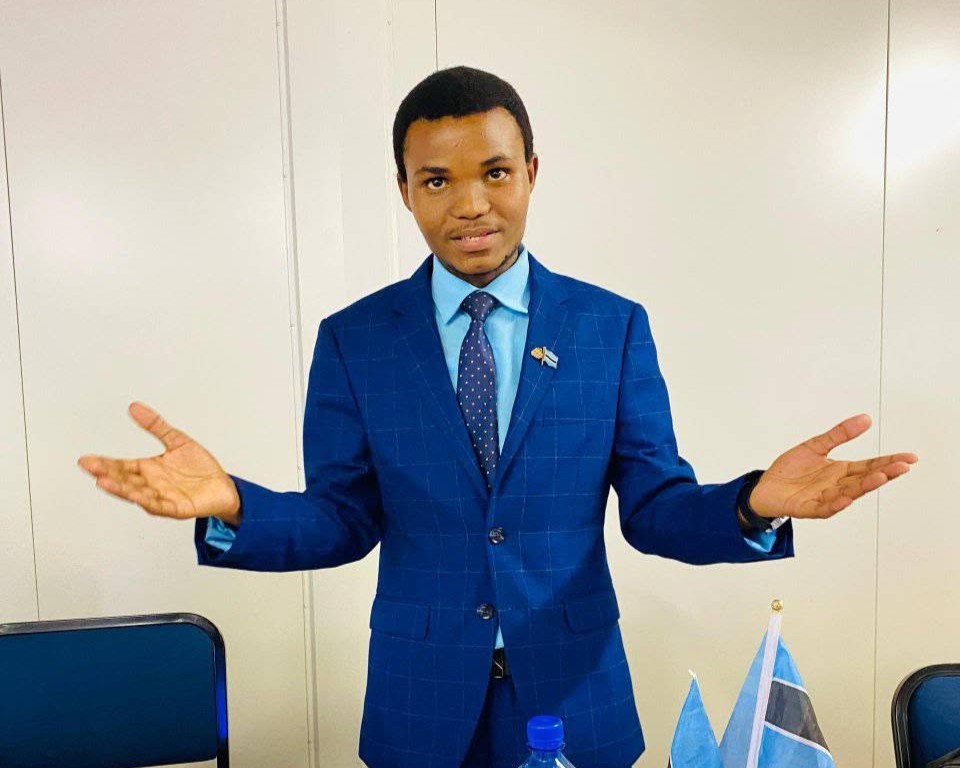
BOYAO Founding President Keabetswe Alex Sanao said the summit is intended to give young people a meaningful platform to engage decision-makers. He said young people should play an active role in shaping Botswana’s development agenda rather than simply being consulted about decisions that affect them. This approach places youth participation at the centre of discussions about the country’s sustainable future. It also recognises that young people have direct experience of many of the social and economic challenges being discussed. By bringing young people together with decision-makers and other stakeholders, the summit aims to create a stronger connection between youth priorities and national development discussions.
Youth unemployment is expected to be one of the key issues discussed at the Botswana Youth SDGs Summit. Employment remains closely connected to economic independence, household wellbeing and the ability of young people to build stable futures. Discussions around unemployment are likely to include the need for greater opportunities for young people to enter the labour market and develop sustainable livelihoods. The summit’s focus on entrepreneurship and innovation also reflects the importance of creating opportunities beyond traditional employment. Giving young entrepreneurs access to networks, information and potential partners can help strengthen their ability to develop and grow their initiatives.
Entrepreneurship will form part of the wider discussion about Botswana’s future economy. Young people are often involved in emerging businesses and innovative ideas, but turning those ideas into sustainable enterprises can require skills, access to markets, financing and supportive networks. The summit provides an opportunity for participants to discuss these issues with stakeholders from government and the private sector. It can also allow young entrepreneurs to share experiences and demonstrate solutions they have already developed. Bringing these perspectives into national development discussions can help identify practical ways to encourage youth participation in economic activity.
Innovation will also be an important part of the summit’s agenda. Botswana’s young population represents a potential source of new ideas, technologies and approaches to social and economic challenges. Creating opportunities for young people to present their initiatives can help demonstrate the contribution they can make to national development. The summit is expected to provide a platform for participants to showcase their work and engage with organisations that may support their efforts. This interaction could help connect promising youth-led initiatives with government institutions, private companies, development partners and civil society organisations.
Education and human capital development are another major focus of the event. Education plays an important role in preparing young people for employment, entrepreneurship and participation in society. However, the skills developed through education also need to connect with changing economic and social needs. One of the three planned panel discussions will focus specifically on human capital development, creating space to consider how Botswana can strengthen the capabilities of its people. The discussion can help highlight the importance of equipping young people with relevant knowledge and skills for the country’s future.
Health is also included among the issues that BOYAO wants participants to address. Young people face health-related challenges that can affect their education, employment and broader participation in society. Bringing health into the sustainable development conversation recognises that economic progress depends partly on the wellbeing of the population. The summit can provide an opportunity for young people to share their experiences and identify areas where services, information and support can be improved. Engaging decision-makers on these concerns can help ensure that youth perspectives are considered when policies and programmes are developed.
Climate change and environmental sustainability will add another important dimension to the discussions. Climate-related challenges can affect communities, natural resources, livelihoods and economic activity. Young people will live with the long-term consequences of decisions made today, making their participation in environmental discussions particularly important. The summit provides an opportunity to connect youth voices with broader conversations about sustainable development and responsible use of resources. It can also encourage young people to contribute their own ideas and initiatives to addressing environmental challenges.
Social inclusion will also feature among the issues discussed at the summit. Sustainable development requires consideration of people who may face barriers to participation in economic, social and public life. Discussions about inclusion can help identify ways to ensure that young people from different backgrounds have opportunities to contribute to Botswana’s future. Creating an inclusive platform also means allowing a range of youth experiences and perspectives to be heard. The focus on social inclusion therefore complements the summit’s wider objective of ensuring that young people participate meaningfully in shaping national priorities.
Three panel discussions will provide a structured setting for examining Botswana’s future economy, human capital development and sustainable communities. These themes cover several of the major areas that affect the country’s long-term development. The future economy discussion can address employment, entrepreneurship and innovation, while human capital development can focus on education and skills. The sustainable communities discussion can bring together issues involving inclusion, health, climate change and community development. Together, the panels are designed to encourage a broad conversation about the role young people can play in building a sustainable Botswana.
BOYAO wants the summit to move beyond conversations about challenges and produce practical outcomes. Sanao said the organisation wants participants to generate recommendations and commitments that can be taken forward after the event. This emphasis on implementation gives the summit a clear purpose beyond simply bringing young people together for discussion. Practical recommendations can help identify specific areas where stakeholders can take action. The value of the event will ultimately depend on how effectively ideas and commitments developed during the summit can contribute to ongoing development efforts.
The involvement of different sectors is another important feature of the Botswana Youth SDGs Summit. Young people will have an opportunity to engage with government representatives, private-sector organisations, development partners and civil society. Each of these groups has a different role in supporting sustainable development and creating opportunities for youth. Direct engagement can help young people better understand existing programmes while allowing institutions to hear concerns and ideas from the people they aim to serve. Such interaction can also encourage collaboration between youth-led organisations and established institutions.
The summit’s theme, “The Next Chapter: Youth Writing the New Story of Botswana’s Sustainable Future,” reflects its emphasis on youth participation and responsibility. It presents young people not only as beneficiaries of development but also as contributors to the solutions needed for the country’s future. This perspective is important when considering challenges such as unemployment, skills development, climate change and social inclusion. Young people can bring fresh perspectives and practical experiences to discussions about these issues. Giving them a meaningful role in shaping development priorities can help create stronger connections between national plans and the realities faced by younger generations.
The Botswana Youth SDGs Summit is therefore positioned as an important platform for bringing youth voices into discussions about sustainable development. With around 500 participants expected, the event will provide a significant space for young people to discuss economic opportunities, education, health, innovation, climate change and inclusion. Its focus on practical recommendations and commitments could help turn discussions into actions that benefit communities. The participation of government, the private sector, development partners and civil society can further strengthen opportunities for collaboration. As Botswana considers the next chapter of its development, the summit will give young people an opportunity to contribute ideas, showcase their initiatives and take a more active role in shaping the country’s sustainable future.