
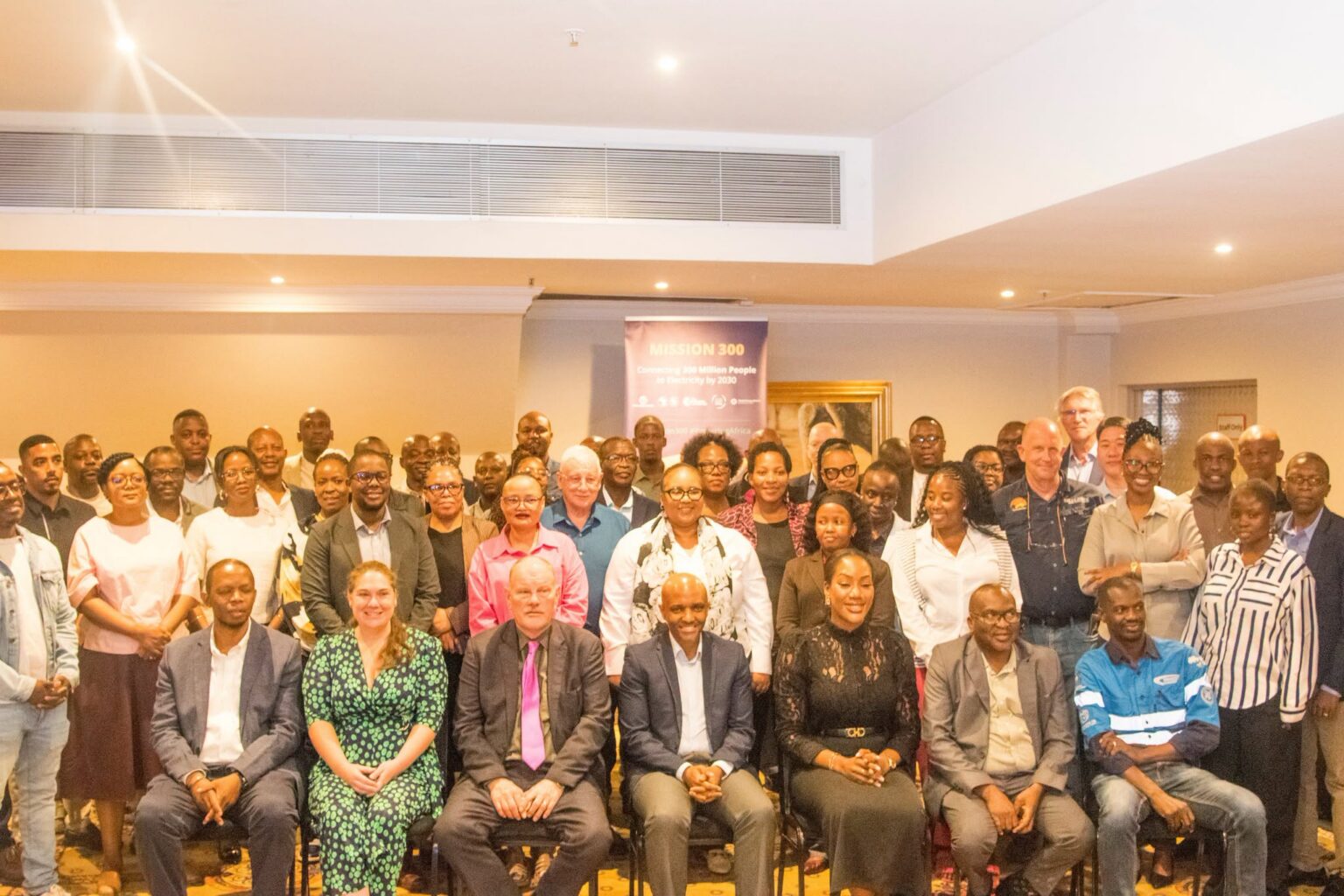
Botswana has taken another important step towards strengthening its energy sector following the conclusion of a two-day Botswana Energy Compact Implementation Support Workshop in Gaborone on 30 October 2026. The workshop brought together representatives from Government, development partners, the private sector and civil society to strengthen cooperation in implementing the country’s National Energy Compact. Discussions focused on identifying practical ways to accelerate energy projects, attract investment and address challenges that could affect the achievement of Botswana’s energy targets by 2030. Participants also examined the financial, technical and policy requirements needed to translate the country’s energy commitments into tangible results. The meeting highlighted the importance of coordinated action and long-term planning in building a reliable, sustainable and inclusive energy sector.
The Botswana Energy Compact serves as an important framework for advancing the country’s national energy priorities. Its implementation requires cooperation between public institutions, private investors, development organisations and communities that stand to benefit from improved energy access. The workshop provided an opportunity for these stakeholders to discuss their respective responsibilities and identify areas where collaboration could produce meaningful results. Rather than focusing only on broad policy ambitions, participants considered the practical requirements for delivering projects and achieving measurable progress. This approach is essential because successful energy sector development depends on effective implementation, sufficient resources and clear accountability.
One of the main areas of discussion was Botswana’s energy targets for 2030. These targets form part of the country’s broader efforts to improve energy security, expand access to electricity and strengthen the reliability of its power supply. Achieving them will require careful planning and investment in infrastructure, alongside policies that encourage innovation and private sector participation. Botswana must also consider how its energy system can respond to changing electricity demand and support long-term economic growth. The workshop therefore provided an important platform for examining the steps required to move from national commitments to practical delivery.
Investment opportunities featured prominently during the discussions. Developing a stronger energy sector requires substantial financial resources to support infrastructure, technology and new energy projects. Government funding alone may not be sufficient to meet all the investment requirements associated with Botswana’s energy ambitions. Private sector participation can help mobilise additional capital, introduce technical expertise and improve the delivery of energy infrastructure. Creating an environment that attracts investors will therefore remain important for the successful implementation of the National Energy Compact.
Participants also examined priority energy projects that could contribute to the country’s 2030 objectives. Identifying these projects is important because it helps stakeholders determine where financial and technical resources should be directed first. Well-defined priorities can improve coordination, reduce duplication of efforts and ensure that available funding supports the most urgent national needs. Project preparation is equally important because investors and development partners require clear information about costs, implementation arrangements and expected outcomes. Strengthening this process can help Botswana move promising energy initiatives closer to implementation.
Technical assistance was another important issue addressed during the two-day workshop. Energy projects often require specialised knowledge in areas such as engineering, infrastructure planning, project management, regulation and financial modelling. Access to appropriate technical expertise can help government institutions prepare stronger projects and address implementation challenges. Development partners can contribute by providing specialised support, sharing knowledge and helping build local institutional capacity. Strengthening these capabilities will be important for ensuring that Botswana can manage its energy priorities effectively over the long term.
Financing requirements also formed a central part of the discussions. Even well-designed energy policies and infrastructure plans cannot succeed without reliable financial arrangements. Participants explored the funding needs associated with implementing the National Energy Compact and considered how different stakeholders could contribute. Sustainable financing requires a combination of appropriate government investment, private capital and support from development partners where necessary. Clear financing plans can also help improve investor confidence and ensure that projects have the resources required to progress beyond the planning stage.
The workshop further highlighted the importance of policy reforms in creating an enabling environment for energy sector development. Effective policies and regulations can encourage investment, improve competition and provide greater certainty for businesses operating in the energy industry. Government institutions must also ensure that regulatory frameworks support the country’s long-term energy objectives. Policy improvements should be accompanied by effective implementation and regular monitoring to determine whether they are delivering the intended results. Cooperation between government departments and other stakeholders will be essential in addressing regulatory challenges and improving the overall investment climate.
Community engagement emerged as another important part of the implementation process. Energy development affects households, businesses and communities in different ways, making public participation an important consideration when planning new projects. Communities need access to relevant information about proposed developments and should have opportunities to participate in discussions that affect their interests. Public engagement can also help identify local concerns and improve acceptance of energy projects. Ensuring that communities benefit from energy sector development will be important for making Botswana’s energy transition inclusive and sustainable.
Accountability was also identified as a key factor in achieving the National Energy Compact’s objectives. Clear responsibilities and measurable targets can help stakeholders assess whether agreed activities are progressing as planned. Regular monitoring allows implementation challenges to be identified early and addressed before they cause significant delays. It also helps ensure that financial resources are used responsibly and that participating institutions remain committed to their responsibilities. Strong accountability arrangements can therefore improve confidence in the implementation process and strengthen cooperation between stakeholders.
The participation of Government, development partners, private sector representatives and civil society demonstrated the importance of a whole-of-society approach to energy development. Each group brings different resources, experience and perspectives to the implementation process. Government provides policy direction and regulatory oversight, while private investors can contribute capital and technical expertise. Development partners can support financing, knowledge sharing and institutional development, while civil society can strengthen public participation and community accountability. Bringing these stakeholders together creates opportunities to coordinate efforts and develop solutions that reflect the country’s broader development needs.
A key outcome of the two-day workshop will be its contribution to the finalisation of the Compact Implementation Support Document. This document is expected to provide further guidance on the practical steps required to implement Botswana’s National Energy Compact. It will help organise the priorities discussed during the workshop and provide a clearer basis for coordinating support from different stakeholders. Its finalisation represents an important step towards moving from discussions and commitments to structured implementation. The document will also help clarify the areas where additional investment, technical assistance and institutional support are required.
The workshop outcomes will also inform the development of a 12-month work plan designed to accelerate the delivery of Botswana’s energy priorities. A defined work plan can help translate long-term objectives into activities that stakeholders can implement and monitor over a shorter period. It provides an opportunity to establish priorities, identify responsible institutions and coordinate the resources needed for implementation. The 12-month period will also offer a basis for reviewing progress and identifying areas that require further attention. Effective execution will be important in ensuring that the workshop produces practical benefits beyond the meeting itself.
Botswana’s energy ambitions are closely connected to its wider economic development objectives. Reliable and affordable electricity is essential for businesses, industrial growth, public services and household wellbeing. A stronger energy sector can help improve the operating environment for industries, support investment and create opportunities for economic diversification. At the same time, energy planning must consider affordability, environmental sustainability and the long-term resilience of the country’s power system. The National Energy Compact provides a framework for coordinating these priorities and advancing a more secure energy future.
The conclusion of the Botswana Energy Compact Implementation Support Workshop marks an important stage in the country’s efforts to strengthen energy sector coordination and accelerate progress towards its 2030 targets. The discussions placed investment, priority projects, technical assistance, financing, policy reforms and accountability at the centre of the implementation agenda. The forthcoming Compact Implementation Support Document and 12-month work plan will be important tools for turning these discussions into coordinated action. However, their success will depend on the commitment of all participating stakeholders and their ability to deliver on agreed responsibilities. With sustained cooperation, effective planning and sufficient investment, Botswana can make meaningful progress towards a more reliable, accessible and sustainable energy sector by 2030.