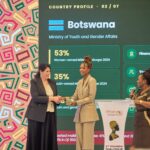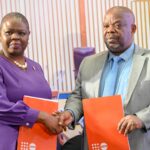
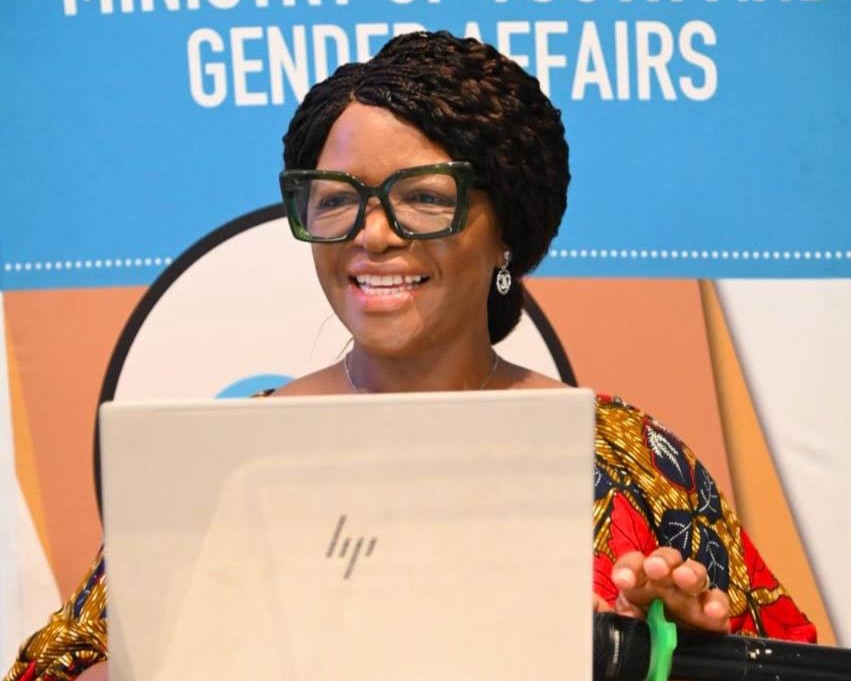
Botswana has taken a significant step toward strengthening gender inclusion in peacebuilding and security through a four day capacity building workshop on Women, Peace and Security held in Mahalapye. The initiative is a joint effort between the Ministry of Youth and Gender Affairs, the Southern African Development Community and the European Union. The workshop brings together key stakeholders from government, security and justice sectors, civil society organisations, youth networks and faith based organisations. It aims to strengthen coordination and build practical capacity to advance the Women, Peace and Security agenda in Botswana. The timing of the workshop reflects growing regional and global emphasis on inclusive peace processes.
The main objective of the workshop is to enhance national capacity across multiple sectors and ensure a coordinated approach to implementing Women, Peace and Security principles. Participants are being equipped to work together more effectively in addressing issues related to gender equality, peacebuilding and security governance. The programme also focuses on strengthening collaboration between institutions that often operate in silos, including law enforcement, policy makers and community organisations. By bringing these groups together, Botswana aims to build a more unified and responsive system. This approach is expected to improve both policy development and practical implementation at national level.
During the opening session, SADC Secretariat representative Ms Phemelo Maiketso highlighted the importance of aligning national efforts with international and regional frameworks. She explained that the workshop supports the domestication of United Nations Security Council Resolution 1325, which is a global framework focused on the role of women in peace and security. She also noted that the initiative aligns with the SADC Regional Strategy on Women, Peace and Security. The goal is to integrate these frameworks into national policies, legal systems and institutional structures. This process is essential for ensuring that commitments made at regional and international level are fully implemented within Botswana’s governance systems.
The Directorate of Public Service and Gender Affairs, represented by Ms Thapelo Phuthego, emphasized that the workshop is part of a broader national effort to develop Botswana’s first National Action Plan on Women, Peace and Security. She explained that this process is ongoing and involves multiple stages of consultation, training and policy development. The National Action Plan is expected to serve as a guiding framework for how the country addresses issues of gender, peace and security in a structured and sustainable way. Ms Phuthego further noted that the workshop will provide participants with practical tools to support the development and implementation of the plan. These tools are intended to ensure that the final policy is not only well designed but also effectively applied.
A key focus of the workshop is localisation, which involves adapting global and regional frameworks to fit Botswana’s specific context and needs. Participants are being trained on how to translate high level policy goals into actionable programmes at community and institutional level. The sessions also cover long term sustainability, ensuring that progress made during the workshop continues beyond the training period. This includes building institutional memory and strengthening coordination mechanisms that can support ongoing implementation. The emphasis on practical application is designed to move the agenda from theory into measurable impact.
Opening day discussions focused on the broader Women, Peace and Security agenda and its relevance at continental and regional level. Participants explored existing African Union and SADC initiatives that support gender inclusion in peace and security processes. The discussions also examined challenges faced in implementing these frameworks, including limited resources, coordination gaps and awareness issues. By analysing both successes and obstacles, attendees were able to identify areas that require stronger intervention. This foundation is expected to guide the remaining sessions of the workshop and shape practical outcomes.
The workshop in Mahalapye represents a coordinated effort to strengthen Botswana’s commitment to gender responsive peacebuilding. It reflects a growing recognition that sustainable peace requires the inclusion of women and other underrepresented groups in decision making processes. Through collaboration between government institutions, regional bodies and international partners, the initiative aims to build stronger systems for implementation. The development of a National Action Plan marks an important milestone in this process. As the workshop continues, it is expected to produce clear strategies that will guide Botswana’s long term approach to Women, Peace and Security and ensure that commitments translate into real impact on the ground.