
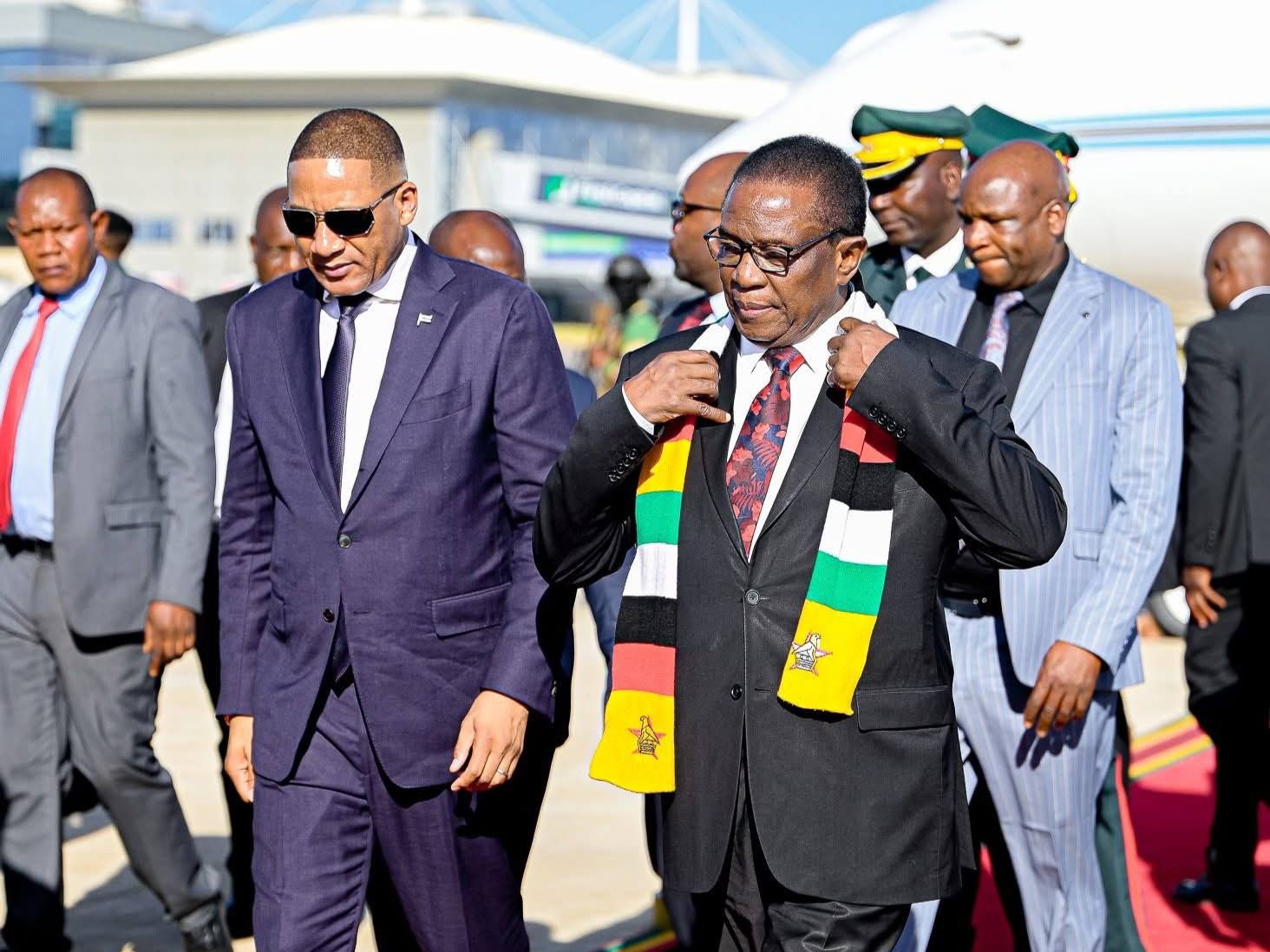
Botswana and Zimbabwe have entered a new phase of diplomatic engagement as the 5th Bi-National Commission begins in Harare. The high level meeting brings together senior government officials from both countries to review existing cooperation and set new priorities for regional development. President Duma Boko of Botswana and President Emmerson Mnangagwa of Zimbabwe will co-chair the session, underscoring the importance both governments place on bilateral relations. The talks are expected to conclude with the signing of seven new bilateral agreements covering key areas of mutual interest. This development reflects a growing commitment by both nations to deepen cooperation and strengthen economic and political ties.
The Bi-National Commission serves as a structured platform for dialogue between Botswana and Zimbabwe on issues ranging from trade and infrastructure to security and social development. It provides an opportunity for both countries to assess progress on existing agreements and identify new areas of collaboration. The Harare session is particularly significant as it comes at a time when regional cooperation is being prioritised across Southern Africa. By engaging at this level, both governments aim to address shared challenges and unlock new opportunities for growth. The presence of both heads of state highlights the strategic importance of the discussions.
A major outcome expected from the meeting is the signing of seven new bilateral agreements. While the full details of the agreements are set to be officially announced after the session, they are expected to cover key sectors such as trade facilitation, infrastructure development, energy cooperation, education, security collaboration and cross border movement. These agreements are designed to strengthen institutional cooperation and improve the efficiency of joint programmes between the two countries. They also aim to remove barriers that may limit economic activity and regional integration. By formalising these commitments, Botswana and Zimbabwe are working to create a more predictable and supportive environment for cooperation.
Trade and economic relations remain a central focus of the Bi-National Commission. Both countries share strong commercial links, with cross border trade playing an important role in supporting livelihoods and regional supply chains. The discussions in Harare are expected to explore ways to improve trade flows, reduce delays at border posts and enhance customs coordination. Improved infrastructure and streamlined procedures are key priorities in this area. Strengthening economic ties is seen as essential for boosting investment and creating jobs in both countries. This focus aligns with broader regional goals of economic integration within Southern Africa.
Infrastructure development is also expected to feature prominently in the discussions. Connectivity between Botswana and Zimbabwe is vital for the movement of goods, services and people across the region. Upgrading transport corridors and improving border infrastructure can significantly reduce costs and improve efficiency for businesses. Both governments are likely to explore joint projects that support road, rail and border facility improvements. These developments are expected to enhance regional competitiveness and support long term economic growth. Infrastructure cooperation also plays a key role in supporting tourism and cross border investment.
Security cooperation is another important area under review during the commission. Botswana and Zimbabwe share a long border, making coordinated security efforts essential for managing cross border crime and ensuring stability. The discussions are expected to strengthen collaboration between law enforcement agencies and improve information sharing mechanisms. This includes efforts to combat smuggling, human trafficking and other transnational crimes. Strengthening security ties helps protect citizens and supports a stable environment for economic activity. Both countries recognise that effective cooperation in this area is critical for regional peace and stability.
The Bi-National Commission also provides a platform for addressing social and development issues. Education, health and skills development are expected to be part of the broader agenda. These sectors play an important role in building human capital and supporting long term national development goals. Joint initiatives in education and training can help improve skills mobility and create opportunities for young people in both countries. Health cooperation can also strengthen responses to shared challenges and improve service delivery. These efforts contribute to broader social development objectives within the region.
The meeting in Harare represents a continued effort by Botswana and Zimbabwe to strengthen diplomatic relations through structured cooperation. The expected signing of seven bilateral agreements signals a forward looking approach focused on practical outcomes and shared benefits. By engaging at the highest political level, both countries are reinforcing their commitment to regional integration and mutual development. The outcomes of the 5th Bi-National Commission are expected to shape cooperation between the two nations for years to come. As the session progresses, attention will focus on how these agreements translate into real improvements in trade, infrastructure, security and social development across both countries.