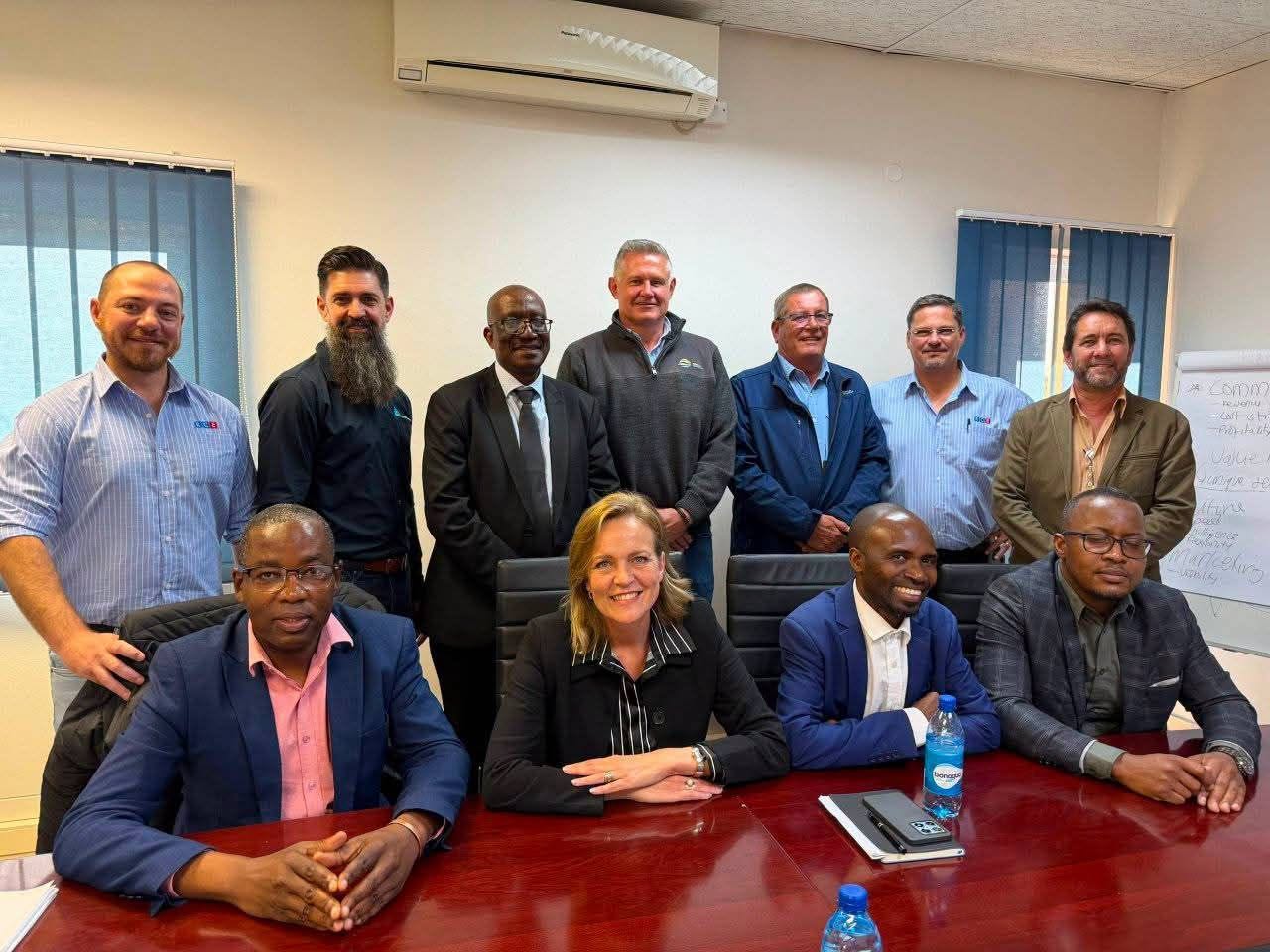
Botswana Railways (BR) is exploring new opportunities to strengthen the country’s bulk commodity logistics network through discussions with Maatla Resources over the transportation of coal from its mine to regional markets. The engagement focuses on developing a reliable rail-based solution that would move coal through the planned Mmamabula rail siding and onto Botswana’s national railway network. From there, the commodities could be transported to markets in South Africa and other destinations beyond the region. The proposed arrangement comes at an important time for Botswana as investor interest in its energy and mineral resources continues to grow. A stronger rail logistics system could support this investment while creating opportunities for economic growth, employment and expanded regional trade.
The discussions between Botswana Railways and Maatla Resources centre on the practical requirements for evacuating bulk coal volumes from the mine efficiently. Rail transport can play an important role when mining operations need to move large quantities of commodities over long distances because it can handle substantial volumes through scheduled freight services. The planned Mmamabula rail siding is expected to provide the critical connection between Maatla Resources’ mining operation and the national rail network. This connection could allow coal to move from the mine directly into an established transportation system instead of relying heavily on road freight. Developing such an arrangement would give the company greater options when supplying customers in South Africa and other regional markets.
The proposed logistics solution also highlights the importance of infrastructure in supporting Botswana’s mining sector. Mining projects require dependable transportation networks to move commodities from production sites to processing facilities, ports and final markets. When road networks carry large volumes of heavy bulk freight, they can experience increased pressure through higher traffic volumes, road wear and maintenance requirements. Shifting a significant portion of coal transportation to rail could help reduce some of this pressure while providing a more suitable option for high-volume commodity movements. For Botswana, improving the connection between mining operations and rail infrastructure could strengthen the country’s position as a regional logistics and trading hub.
The planned Mmamabula rail siding is therefore expected to become an important component of Maatla Resources’ future logistics strategy. By connecting the mine to the national railway network, the siding would create a direct route for moving coal into the wider regional rail system. This could improve the efficiency of commodity evacuation by reducing the need for extensive road transportation between the mine and rail infrastructure. It could also provide greater consistency for producers and buyers who require predictable freight movements. The development of the siding demonstrates how mining investment and transport infrastructure can work together to support broader economic objectives.
Botswana Railways has indicated its commitment to facilitating the movement of the expected coal volumes and supporting an efficient, reliable and sustainable rail logistics system. This commitment reflects the role that national rail infrastructure can play in supporting the country’s economic development. Efficient freight rail can help businesses move large quantities of goods while improving connections between production areas and regional markets. For Botswana’s mining industry, dependable rail services could become increasingly important as commodity production expands and companies seek access to markets outside the country. The partnership discussions with Maatla Resources could therefore contribute to a wider effort to strengthen Botswana’s freight transportation capacity.
The engagement also comes as Botswana experiences renewed investor interest in its energy and mineral resources. International companies are increasingly looking at opportunities linked to Africa’s mineral and energy sectors, creating potential for new investment, production and export activity. Maatla Resources has attracted additional international attention following the acquisition of a majority stake by HMS Bergbau AG, a German-based commodities trading and marketing company. The partnership is expected to strengthen Maatla Resources’ capacity and expand its access to international markets. Increased investment in the mine could, in turn, create greater demand for dependable infrastructure capable of moving higher commodity volumes.
HMS Bergbau AG’s involvement adds an international dimension to the development of Maatla Resources and its coal operations. A strategic partnership with an established commodities trading and marketing company can provide access to international market knowledge, commercial networks and potential buyers. As the mine’s production and market reach develop, logistics will become an increasingly important part of ensuring that coal can move efficiently from the point of extraction to customers. Rail infrastructure could support this expansion by providing a dedicated channel for bulk transportation. The proposed Mmamabula siding could consequently become an important link between Botswana’s mining resources and regional commodity markets.
The potential movement of coal into South Africa is particularly significant because the country has extensive industrial and energy infrastructure as well as established demand for bulk commodities. A rail connection from Botswana could create a more efficient route for reaching customers in South Africa while also supporting potential access to markets beyond the country. Regional rail connectivity can help landlocked economies overcome some of the logistical challenges associated with long-distance exports. Botswana’s ability to connect mineral production with neighbouring markets could therefore strengthen its role in regional supply chains. The Mmamabula project has the potential to support this objective by linking mine production directly with the national rail network.
The environmental and infrastructure benefits of shifting bulk freight from roads to rail also form part of the broader rationale for the proposed logistics solution. Heavy-duty road transportation requires substantial fuel use and places considerable stress on road infrastructure when large volumes of commodities move regularly. Rail can provide an alternative for high-volume freight and can reduce the number of heavy trucks required for certain transportation routes. This could help limit road congestion and reduce maintenance pressure on key routes used by both commercial and private vehicles. For Botswana, developing efficient rail freight capacity could therefore support both economic and infrastructure sustainability.
The proposed collaboration also requires close coordination with the Botswana Government. Botswana Railways and Maatla Resources are expected to continue working with Government to finalize the necessary logistics arrangements and ensure that the project progresses effectively. Government involvement will be important in coordinating infrastructure planning, regulatory requirements and broader economic objectives associated with the development. Successful cooperation between the public and private sectors can help ensure that major mining and infrastructure projects generate benefits that extend beyond individual companies. The focus on jobs, economic activity and regional trade reflects the wider development potential associated with the project.
Employment opportunities could form another important benefit as Maatla Resources expands its mining and logistics activities. Mining projects require workers across a wide range of functions, while rail freight operations create demand for personnel involved in train operations, maintenance, loading, scheduling and logistics management. Supporting industries can also benefit through increased demand for services, equipment, transportation and other supplies. If the mine achieves greater production and market access, these economic activities could contribute to local and national value creation. The development of rail infrastructure could therefore support employment both directly and indirectly.
The discussions between Botswana Railways and Maatla Resources demonstrate the growing importance of integrated infrastructure in supporting Botswana’s mineral and energy ambitions. A successful rail logistics solution would need to connect mining production, rail infrastructure, market demand and Government planning into one coordinated system. The planned Mmamabula rail siding could provide the missing link required to move coal efficiently from the mine into Botswana’s national rail network. From there, rail connectivity could support access to South African markets and potentially other destinations in the region and beyond. The initiative could also help Botswana maximise the economic value of its natural resources while strengthening its transport infrastructure.
The collaboration between Botswana Railways and Maatla Resources comes at a significant stage in the development of Botswana’s mining and logistics sectors. With HMS Bergbau AG becoming a majority stakeholder in Maatla Resources, the mine has the potential to strengthen its capacity and broaden its market reach. A dependable rail solution will be important if increased production translates into larger volumes requiring transportation to regional markets. The planned Mmamabula rail siding could help address this need while reducing pressure on Botswana’s road network. Continued cooperation between BR, Maatla Resources and Government will be essential to turning the proposed logistics solution into a functioning system that supports investment, creates jobs, strengthens regional trade and contributes to Botswana’s long-term economic growth.