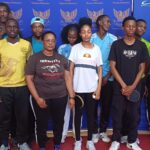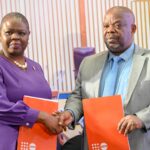
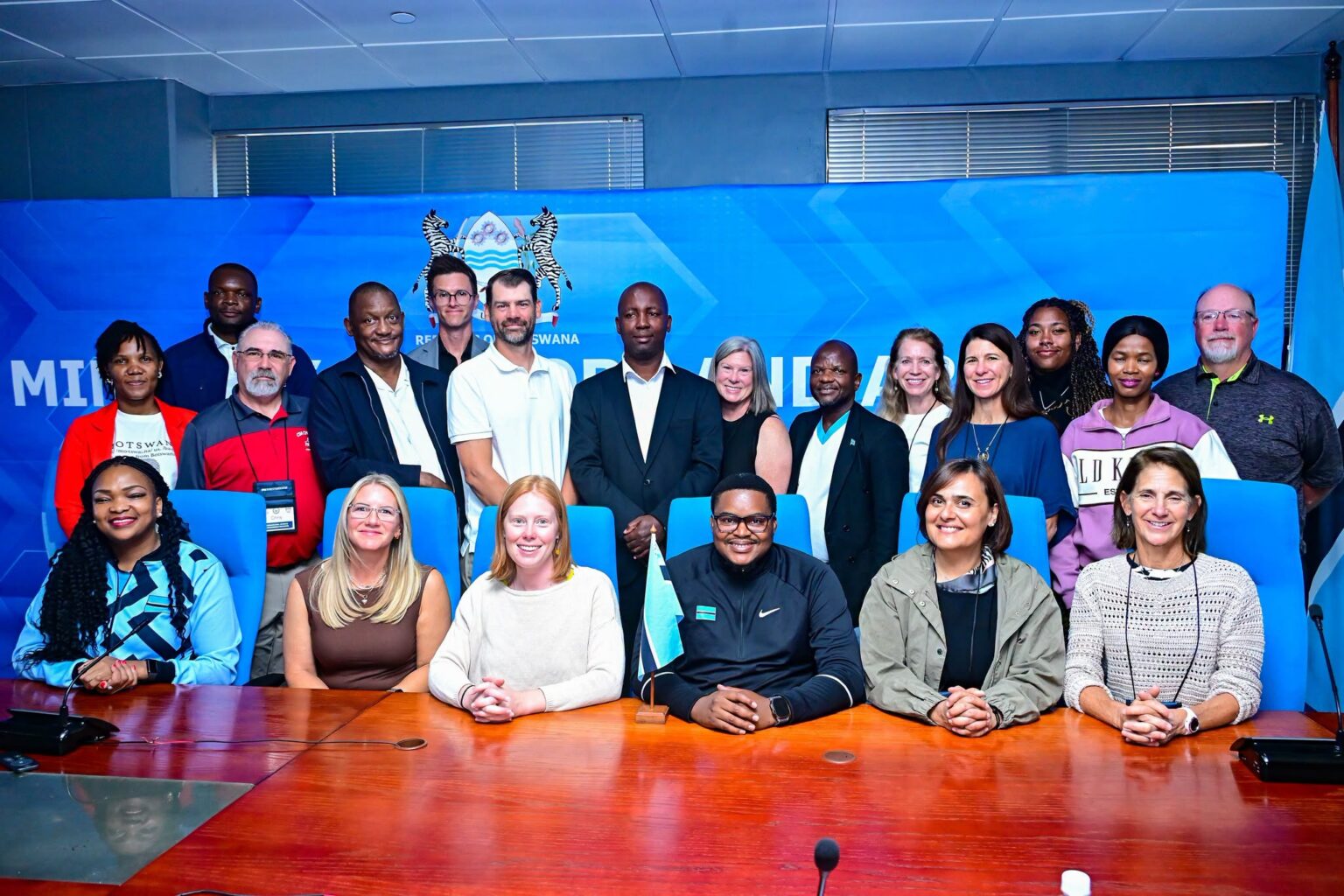
Botswana has welcomed a visiting United States delegation and representatives from PH International as part of the International Sports Programming Initiative (ISPI) USA-Botswana Exchange Programme. The 12-member delegation visited the Ministry of Sport and Arts (MOSA) for an official courtesy call with ministry management, marking an important step in strengthening cooperation between the two countries through sport. The programme provides an opportunity for sports professionals and institutions from Botswana and the United States to exchange knowledge, experiences and practical skills. It also reflects Botswana’s growing ambitions to strengthen its sporting sector through international partnerships and specialised development opportunities. The visit comes at a time when Botswana continues to build on its achievements in athletics and other sporting disciplines while seeking new ways to develop athletes, coaches, administrators and sports professionals.
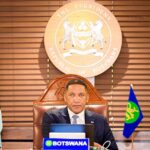
Welcoming the delegation, Minister of Sport and Arts Hon. Jacob Kelebeng described the initiative as a strong demonstration of the longstanding friendship between Botswana and the United States. He highlighted the important role that sport can play in strengthening relationships between nations while creating opportunities for professional development and mutual learning. The Minister noted that the United States is a powerhouse in sport, while Botswana is an emerging powerhouse that has been performing well in the sporting arena. His remarks recognised Botswana’s progress while also pointing to the value of learning from countries with highly developed sporting systems. The exchange programme therefore creates an opportunity for Botswana to draw on international expertise while also sharing its own experiences and achievements with its American counterparts.
The ISPI USA-Botswana Exchange Programme is significant because it focuses on practical engagement rather than simply establishing formal links between sporting institutions. International exchanges can expose sports personnel to different approaches to coaching, administration, athlete development, sports management and other areas that contribute to a successful sporting system. Participants can observe how established sporting structures operate and consider which practices can be adapted to their own environments. Such programmes can also create professional networks that continue beyond the duration of an exchange visit. For Botswana, these relationships could contribute to stronger sporting institutions and improved opportunities for athletes and other professionals across different disciplines.
Botswana Athletics Association President Oabona Dickson Theetso also welcomed the partnership and emphasised that successful cooperation should be based on mutual learning. His remarks highlighted the importance of viewing international partnerships as a two-way process rather than a one-sided transfer of knowledge. Botswana has developed valuable experience in athletics and has produced athletes who have competed successfully at major international competitions. Sharing these experiences with American counterparts can help demonstrate the strengths of Botswana’s sporting environment while creating opportunities to identify areas where further development is needed. The exchange therefore has the potential to benefit both countries by allowing sports professionals to learn from each other’s systems, experiences and approaches.
One of the most significant announcements from the engagement was that ten local sports personnel will travel to the United States in January 2027 for specialised exchange training. The opportunity will give selected Botswana sports professionals direct exposure to American sporting programmes and practices. They will have the chance to gain knowledge that can be adapted to Botswana’s own sporting environment when they return home. The value of such an exchange extends beyond the individual participants because the knowledge gained can be shared with colleagues, athletes, coaches and administrators. This creates the potential for the programme to have a wider impact across Botswana’s sporting ecosystem.
The planned training also demonstrates the importance of investing in the people who support athletes and sporting organisations. Successful sports development depends on more than talented athletes, as coaches, administrators, technical officials, medical professionals and other specialists all contribute to performance and sustainability. Providing these professionals with opportunities to expand their skills can strengthen the systems that support athletes throughout their careers. International training can also introduce participants to new methods of planning, performance management and sports administration. When participants return to Botswana and share what they have learned, the benefits of the exchange can potentially reach a much larger group of people.
The partnership comes as Botswana continues to strengthen its reputation in international sport. The country has achieved notable success in athletics, while its athletes have increasingly attracted attention on major international stages. Building a stronger sporting ecosystem can help Botswana sustain these achievements and create opportunities for further growth across multiple disciplines. Programmes such as the ISPI exchange can contribute by connecting local professionals with international expertise and exposing them to different approaches to sports development. Continued investment in skills, infrastructure, coaching and administration will remain important if Botswana wants to convert individual sporting successes into broader and sustainable national development.
The role of the United States in the partnership also brings opportunities for Botswana to understand how a large and highly developed sporting industry operates. The American sports environment includes extensive experience in athlete development, sports education, professional competition, university sports and sports management. While Botswana has different population, economic and institutional circumstances, exposure to these systems can provide ideas that may be adapted to local needs. The exchange can also encourage discussions about which international practices are suitable for Botswana and where locally developed approaches may offer better solutions. This process of adaptation and mutual learning can be more valuable than simply attempting to replicate another country’s sporting model.
The involvement of the US Embassy Botswana and PH International further demonstrates the importance of collaboration between government, diplomatic institutions and organisations involved in international development. Partnerships that bring together different stakeholders can create opportunities for knowledge exchange and long-term cooperation. The official courtesy call at MOSA provided a platform for the visiting delegation and local officials to discuss shared interests and the objectives of the exchange programme. Such engagements can help establish relationships that support future initiatives beyond the current programme. Continued cooperation could create additional opportunities for Botswana’s sports professionals to participate in international exchanges and specialised training.
The planned January 2027 exchange also gives Botswana an opportunity to ensure that international knowledge translates into practical improvements at home. Participants will need to consider how the skills and lessons gained in the United States can be applied within Botswana’s existing sporting structures. Sharing knowledge through workshops, mentoring sessions and internal training could help maximise the value of the programme. Sports associations and the Ministry can also use feedback from participants to identify areas where additional support or partnerships may be needed. This would help ensure that the exchange produces benefits that extend beyond the ten individuals selected to participate.
The visit by the 12-member US delegation and PH International representatives has therefore provided an important platform for Botswana and the United States to deepen their sporting relationship. Minister Kelebeng’s recognition of the United States as a global sporting powerhouse and Botswana as an emerging force reflects the potential for both countries to learn from each other. The planned participation of ten Botswana sports personnel in specialised exchange training in January 2027 adds a practical dimension to the partnership and could strengthen skills across the local sporting sector. The initiative demonstrates how sport can bring countries together while creating opportunities for professional development, innovation and institutional growth. As Botswana continues to invest in its sporting ambitions, partnerships such as the ISPI USA-Botswana Exchange Programme can help equip its sports personnel with new knowledge while strengthening the country’s position within the international sporting community.