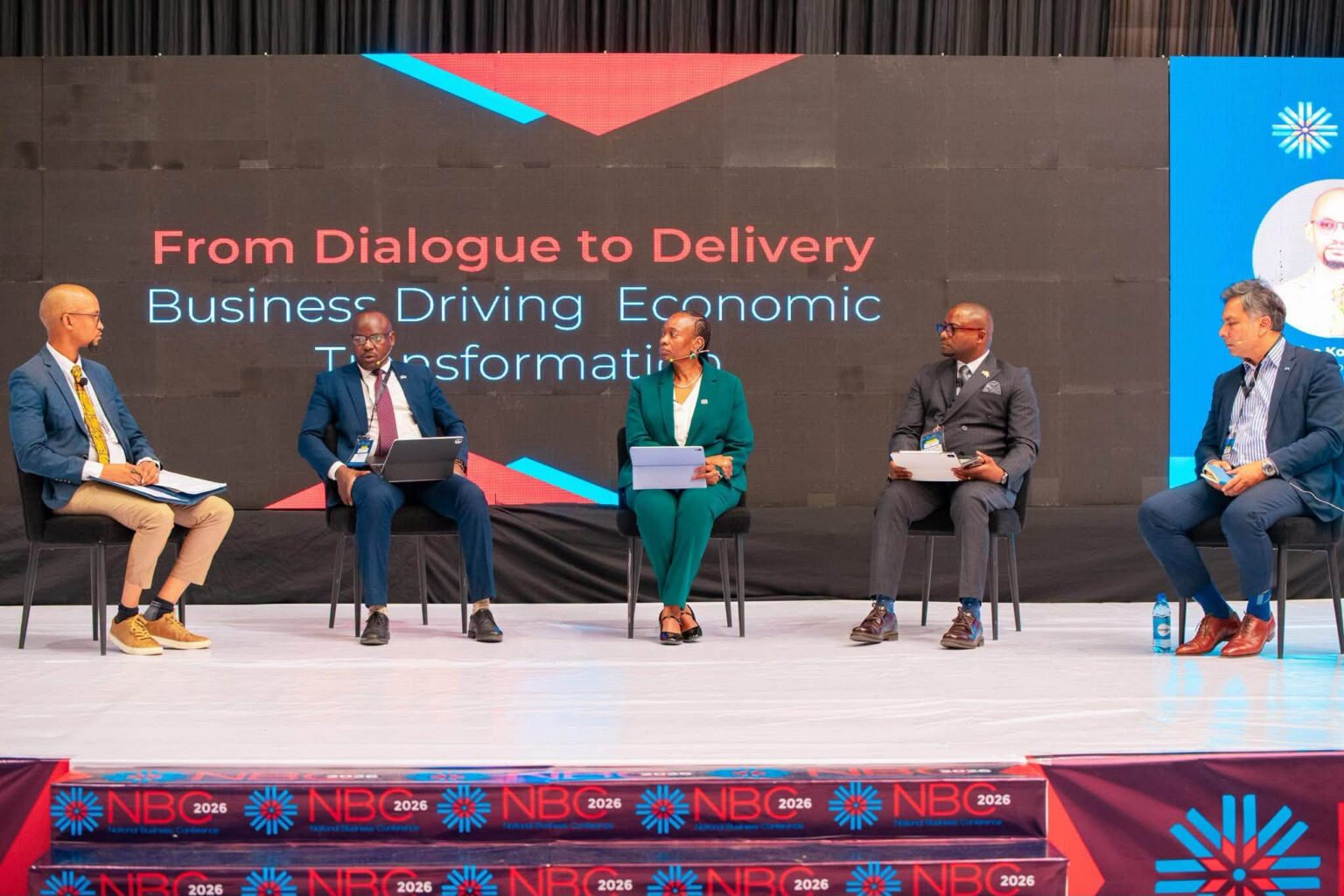
Access to finance remains a key factor in determining whether small and medium-sized enterprises (SMEs) can establish themselves, expand their operations and contribute to Botswana’s economic growth. This issue took centre stage at the National Business Conference 2026, where FNB Botswana and RMB highlighted the importance of strategic partnerships, tailored funding solutions and sustainable finance in supporting businesses. During a panel discussion on SME financing, industry representatives explored the need for a coordinated financial ecosystem that responds to the different needs of businesses at every stage of development. The discussion also examined how financial institutions can help businesses secure the capital they need while supporting investment in green initiatives and social development projects. The message was clear: improving access to finance requires collaboration between banks, investors, businesses and other stakeholders to create funding opportunities that support long-term economic progress.
Dr Mbako Mbo, Deputy Chief Executive Officer, emphasised the importance of building a coordinated financial ecosystem that responds to the changing needs of SMEs. He noted that businesses require different forms of financial support depending on their stage of development, their growth plans and the challenges they face. A start-up may need initial capital to purchase equipment, develop products or establish a customer base, while an established business may require larger investments to expand operations or enter new markets. Treating all businesses as if they have identical financing needs can limit the effectiveness of available funding options. Dr Mbo highlighted deliberate partnerships and tailored funding solutions as important tools for helping SMEs establish themselves, expand and build sustainable operations.
Access to finance can be a major challenge for entrepreneurs who have viable business ideas but lack the resources to turn them into growing enterprises. Some businesses struggle to meet lending requirements, provide sufficient collateral or demonstrate a consistent financial track record. Others may generate enough income to cover daily expenses but lack the capital needed to invest in equipment, technology, staff or additional premises. These constraints can slow business expansion and make it difficult for SMEs to respond to new market opportunities. A financial ecosystem that recognises the differences between businesses can help address these challenges by connecting entrepreneurs with suitable funding options, financial guidance and strategic partners.
Strategic partnerships were therefore an important part of the discussion at the National Business Conference 2026. Cooperation between commercial banks, corporate investment divisions, investors and other financial stakeholders can help businesses access a wider range of financial services. Such partnerships may also improve the flow of information between lenders and entrepreneurs, allowing funding providers to understand business needs more clearly. When financial institutions work together, they can explore different ways of supporting business development rather than relying on a single funding approach. This collaborative model can contribute to a stronger SME sector by improving access to capital and helping businesses build the foundations needed for sustainable growth.
Resego Keipidile, FNB Botswana’s Business Development Lead for Strategic Partnerships, highlighted the role of sustainable finance in raising investment capital for Botswana. He discussed the bank’s efforts to direct funding towards green and social projects, expand sustainable lending and attract investment through strategic partnerships. Sustainable finance considers how funding can support economic activity while also contributing to environmental and social objectives. For businesses, this approach can create opportunities to invest in projects that improve resource efficiency, address social needs or contribute to more sustainable development. Keipidile’s contribution highlighted the importance of connecting financial resources with investments that can support both business performance and Botswana’s broader development priorities.
Green finance is increasingly relevant to businesses exploring ways to improve energy efficiency, manage resources responsibly and reduce environmental impacts. Depending on the project and its eligibility, financing may support initiatives such as renewable energy installations, energy-efficient equipment or more efficient production processes. These investments can require substantial upfront capital, which may be difficult for smaller businesses to provide from their own resources. Appropriate financing can help spread the cost of investment and allow businesses to pursue improvements that may deliver operational benefits over time. However, access to sustainable funding depends on factors such as project viability, lending criteria and the ability of businesses to demonstrate how their proposed investments meet the relevant requirements.
Social finance also has a role in supporting projects that address social and community needs while pursuing viable outcomes. Depending on the funding structure, such projects may relate to areas such as essential services, employment opportunities or community development. Strategic partnerships can help connect investors with projects that have clear objectives and credible plans for delivering results. For SMEs, understanding the requirements of sustainable finance can help them identify funding opportunities that align with their business activities. Clear financial records, realistic budgets and measurable project objectives can strengthen a business’s ability to present its investment plans to potential funding partners.
The involvement of FNB Botswana and RMB reflects the importance of connecting business banking with broader corporate and investment finance capabilities. FNB Botswana serves businesses through its banking services, while RMB operates as First National Bank of Botswana’s Corporate Investment Banking division. Their emphasis on collaboration highlights the value of bringing different financial capabilities together to support businesses and investment activity. SMEs may need straightforward working capital facilities at one stage of development and more complex funding arrangements as their operations grow. A financial system that can respond to these changing needs can help businesses plan more effectively and explore opportunities for expansion.
Sustainable business growth also depends on how entrepreneurs manage the funds they receive. Access to capital alone does not guarantee success, particularly when businesses lack clear plans for spending, repayment and future investment. Entrepreneurs need to understand their cash flow, maintain accurate financial records and assess whether new borrowing is affordable under different business conditions. Funding decisions should reflect the company’s revenue prospects, operating costs and ability to meet its financial obligations. By combining appropriate financing with sound management practices, SMEs can improve their ability to withstand disruptions and build more stable operations.
The National Business Conference 2026 provided a platform for discussing these issues within the wider context of Botswana’s long-term economic growth. A strong SME sector can contribute to economic activity by creating business opportunities, supplying goods and services and supporting employment. However, businesses need an enabling environment in which suitable financing, reliable infrastructure, relevant skills and access to markets can support their development. Financial institutions have an important role in this environment, but lasting progress also depends on entrepreneurs developing viable business models and maintaining responsible financial practices. Cooperation across the business and financial sectors can help identify barriers to growth and encourage solutions that respond to the practical needs of enterprises.
The discussion involving FNB Botswana and RMB reinforced the importance of making finance more accessible, relevant and sustainable for businesses across Botswana. Dr Mbako Mbo’s emphasis on coordinated financial support highlighted the need for funding solutions that reflect the different stages of SME development, while Resego Keipidile’s contribution drew attention to the growing role of sustainable finance and strategic investment partnerships. Together, these priorities point to the importance of connecting businesses with the right capital while encouraging responsible growth and investment. Improving SME financing requires more than increasing the availability of loans. It also requires stronger partnerships, informed financial decisions and funding approaches that support viable businesses over the long term. As Botswana pursues broader economic growth, effective collaboration between financial institutions, investors and entrepreneurs will remain important in helping SMEs expand, strengthen their operations and contribute to a more resilient economy.