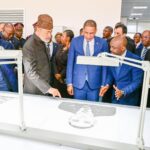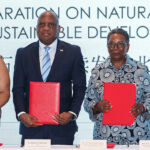
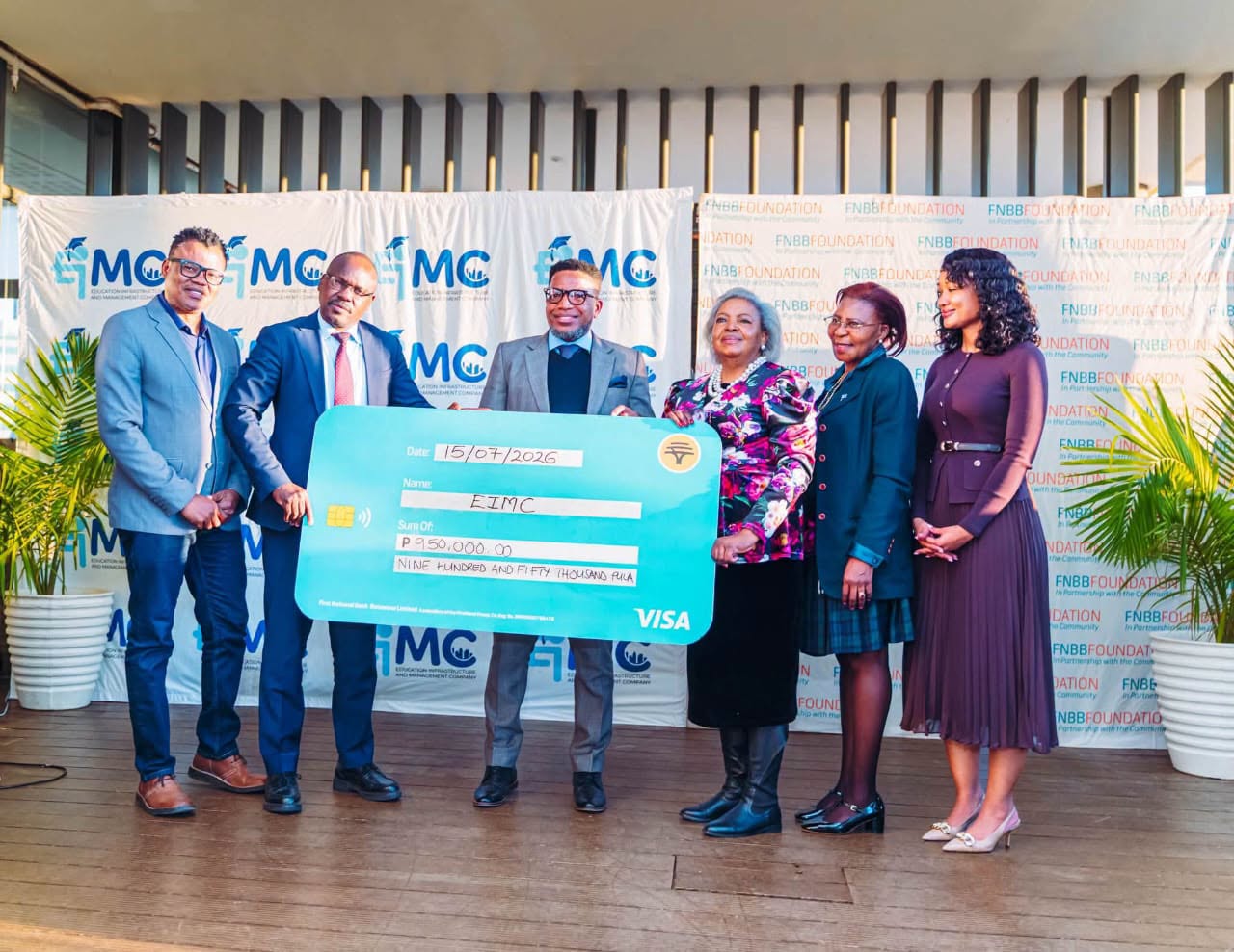
Botswana’s education sector has received a significant boost following the launch of the Ke Abela Sekolo Campaign, an initiative aimed at creating safer and more supportive learning environments for learners across the country. The FNB Botswana Foundation has pledged P950,000 in partnership with the Education Infrastructure and Management Company (EIMC) to improve classroom infrastructure in 20 public schools. The campaign focuses on repairing and installing classroom doors and windows to ensure that learners and teachers have access to secure, comfortable and welcoming learning spaces. Although the work may appear simple, quality school infrastructure plays a critical role in improving educational outcomes and supporting learner well-being. The partnership demonstrates how collaboration between the private sector and public institutions can make a meaningful difference in the lives of students and school communities.
Beginning today, teams from FNB Botswana and the Education Infrastructure and Management Company are working alongside local artisans and members of school communities to carry out the repairs and installations. This collaborative approach not only accelerates the improvement of school facilities but also encourages community ownership of education projects. Involving local artisans supports economic activity while ensuring that skills and expertise remain within local communities. School staff, parents and community members also have an opportunity to participate in creating environments that directly benefit children. Such partnerships strengthen relationships between schools and the communities they serve while promoting shared responsibility for educational success.
Safe and well-maintained classrooms are essential for effective teaching and learning. Broken doors and damaged windows can expose learners to harsh weather conditions, reduce classroom security and create distractions that affect concentration. Comfortable classrooms allow students to focus on their studies without unnecessary disruptions caused by cold temperatures, excessive heat or safety concerns. Teachers also benefit from improved working conditions that enable them to deliver lessons more effectively. By addressing these basic infrastructure needs, the Ke Abela Sekolo Campaign supports both academic performance and the overall well-being of learners.
The FNB Botswana Foundation’s investment of P950,000 reflects its ongoing commitment to supporting sustainable social development through education. Corporate social investment initiatives often focus on creating long-term value by addressing challenges that affect communities at their foundation. Education remains one of the most effective areas for investment because improvements made today can benefit generations of learners. Better school facilities contribute to higher attendance rates, increased learner motivation and stronger educational outcomes over time. Through this partnership, the Foundation is helping create conditions that allow children to reach their full academic potential.
Speaking during the official launch of the campaign, Permanent Secretary in the Ministry of Child Welfare and Basic Education, Mmamiki Kamanakao, emphasized that the initiative extends far beyond physical construction work. She explained that installing doors and windows represents a tangible commitment to ensuring that every learner has access to a learning environment that is safe, dignified, conducive and empowering. Her remarks highlighted the importance of viewing school infrastructure as an essential part of quality education rather than simply a maintenance issue. A well-maintained school communicates to learners that their education is valued and that they deserve spaces where they can learn with confidence. Such investments also reinforce the government’s broader commitment to improving educational standards throughout Botswana.
The concept of dignity within education is closely linked to the quality of school environments. Learners who attend schools with secure classrooms, functioning facilities and welcoming spaces often experience a stronger sense of belonging and pride in their education. Clean, safe and properly maintained classrooms encourage regular attendance while reducing disruptions that may interfere with learning. They also contribute to improved discipline, stronger relationships between teachers and learners and a more positive school culture. The Ke Abela Sekolo Campaign recognizes that physical learning environments play an important role in shaping educational experiences and outcomes.
Education Infrastructure and Management Company Board Chairperson Tebogo Sebego also highlighted the broader significance of the partnership during the launch. He noted that the collaboration with the FNB Botswana Foundation is about far more than improving infrastructure. According to Sebego, the initiative creates opportunities that empower children to achieve their fullest potential by providing learning environments that support academic growth and personal development. His remarks reflect a growing understanding that investments in school facilities have lasting social and economic benefits. When children learn in safe and supportive environments, they are better positioned to develop the knowledge and skills needed for future success.
The partnership also demonstrates the value of collaboration between government institutions and the private sector in addressing national development priorities. While governments carry primary responsibility for public education, partnerships with businesses and development organizations can accelerate progress and expand available resources. Corporate involvement brings additional funding, project management expertise and community engagement that complement public sector efforts. Working together allows different organizations to combine their strengths while delivering practical solutions to pressing educational challenges. Such cooperation creates a stronger foundation for sustainable development and improved educational opportunities across Botswana.
Improved classroom infrastructure benefits more than just current learners. Better school facilities create lasting assets that will continue serving future generations of students for many years. Durable doors and windows improve school security, reduce maintenance costs and help preserve other educational resources housed within classrooms. Schools with stronger infrastructure are also better equipped to withstand changing weather conditions and provide uninterrupted learning throughout the academic year. These long-term improvements make education systems more resilient while protecting public investment in school facilities.
The Ke Abela Sekolo Campaign represents a practical example of how targeted infrastructure improvements can have a meaningful impact on education. By committing P950,000 to repair and install classroom doors and windows in 20 public schools, the FNB Botswana Foundation and the Education Infrastructure and Management Company are helping create learning spaces where students feel safe, respected and motivated to succeed. The campaign reinforces the message shared by education leaders that quality learning environments are essential to delivering quality education. As local artisans, school communities and partner organizations work together to complete the project, they are investing not only in buildings but also in the future of Botswana’s children. Through continued collaboration and a shared commitment to education, initiatives like the Ke Abela Sekolo Campaign will help create stronger schools, empowered learners and brighter opportunities for generations to come.