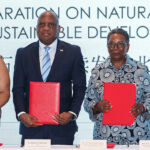

Botswana has taken another important step toward expanding digital access and improving educational opportunities for children in rural communities with the official launch of the Sankoyo Digital Centre. First Lady Kaone Boko officially handed over the fully equipped facility, describing it as a milestone in bringing technology closer to young learners and narrowing the country’s digital divide. The new centre provides students and educators with access to modern digital tools that support learning, research and skills development in an increasingly technology-driven world. Beyond providing equipment, the initiative reflects a broader commitment to ensuring that children in remote areas are not left behind as digital transformation continues across Botswana. The project also highlights the importance of partnerships between government institutions and stakeholders working together to create equal opportunities for every child.
Speaking during the official handover, First Lady Kaone Boko expressed her pride in delivering a facility designed specifically to meet the educational and technological needs of the Sankoyo community. The Sankoyo Digital Centre features a modern computer laboratory equipped with 30 computers, a smart board, printers and projectors, all supported by high-speed broadband internet connectivity. This combination of digital resources provides learners and teachers with access to information, educational software and online learning platforms that were previously difficult to reach. The centre creates an environment where students can develop practical digital skills while enhancing classroom learning through interactive technology. Such investments are increasingly essential as education systems continue to integrate technology into everyday teaching and learning.
The introduction of the Sankoyo Digital Centre represents a significant effort to bridge the digital divide that often affects rural communities. Access to reliable internet and modern computer equipment has become a key factor in educational success, employment opportunities and social inclusion. Children living in remote areas frequently face challenges in accessing digital resources that are readily available in urban centres. By establishing a fully equipped digital learning facility in Sankoyo, the government and its partners are helping to ensure that rural learners have similar opportunities to develop the technological skills required in today’s economy. Equal access to digital education helps create a more inclusive society where talent can flourish regardless of geographical location.
The centre is expected to benefit not only school learners but also teachers and the wider community. Educators will have access to new teaching methods that incorporate digital presentations, online educational content and interactive classroom activities. Students will be able to improve their computer literacy, conduct research more efficiently and build confidence using technology from an early age. Community members may also benefit from digital literacy initiatives, training programmes and access to online services that support personal and professional development. As digital infrastructure expands into rural communities, it creates opportunities that extend far beyond the classroom.
A central message shared by First Lady Kaone Boko focused on the responsible and safe use of technology. She emphasized that one of the key priorities within MPEPU’s child protection pillar is ensuring that children are guided in using digital technology positively and responsibly. While the internet offers valuable educational resources and communication opportunities, it also exposes children to various online risks that require careful management. Parents, teachers, caregivers and communities all have an important role to play in helping children navigate the digital world safely. Promoting responsible digital citizenship ensures that young people benefit from technology while minimizing potential harm.
Cyberbullying remains one of the growing concerns facing children who use digital platforms. Negative online interactions can have lasting emotional and psychological effects on young people, making awareness and prevention essential. Children need to understand how to communicate respectfully online, report inappropriate behaviour and seek help when they encounter harmful situations. Schools and families can reinforce these lessons by encouraging open conversations about responsible online conduct and digital etiquette. Building strong digital citizenship skills helps create safer online environments for learners both inside and outside the classroom.
Another important issue highlighted through the child protection initiative is the need to protect children from online exploitation. As internet access expands, so does the importance of educating young users about privacy, personal safety and recognizing suspicious online behaviour. Children should be encouraged never to share sensitive personal information with strangers or engage in unsafe online interactions. Parents and caregivers can strengthen online safety by monitoring internet use, setting appropriate boundaries and maintaining regular discussions about digital experiences. Community awareness campaigns also play an important role in strengthening online protection for children.
Misinformation is another growing challenge in today’s digital environment, making critical thinking and digital literacy increasingly valuable skills. Access to information has never been easier, but not all online content is accurate or trustworthy. Teaching children how to evaluate information sources, verify facts and distinguish credible content from false information prepares them to become informed digital citizens. Schools equipped with modern technology can incorporate media literacy into their educational programmes, helping learners make responsible decisions when consuming and sharing online information. These skills will continue to benefit students throughout their education and future careers.
The successful completion of the Sankoyo Digital Centre reflects the value of collaboration between government institutions and development partners. First Lady Kaone Boko expressed sincere appreciation to the Botswana Communications Regulatory Authority, the Ministry of Communications and Innovation and all other partners who contributed to making the project a reality. Such partnerships combine expertise, resources and shared goals to deliver projects that have lasting social and educational impact. Working together allows institutions to expand digital infrastructure while ensuring that communities receive the support needed to maximize its benefits. Collaborative initiatives like this strengthen national efforts to improve education and digital inclusion across Botswana.
The Sankoyo Digital Centre also supports Botswana’s broader vision of preparing young people for participation in the digital economy. As industries increasingly rely on technology, digital skills have become essential for employment, entrepreneurship and lifelong learning. Early exposure to computers, internet resources and digital learning platforms provides children with a strong foundation for future success. Investing in digital education today helps build a workforce capable of contributing to innovation, economic growth and national development in the years ahead. Expanding access to technology ensures that opportunities are shared more equally across both urban and rural communities.
The official handover of the Sankoyo Digital Centre marks an important milestone in Botswana’s journey toward greater digital inclusion and educational equality. Through the leadership of First Lady Kaone Boko and the support of government institutions and development partners, children in Sankoyo now have access to modern technology that can transform learning and future opportunities. The fully equipped digital laboratory represents more than a new facility because it symbolizes hope, opportunity and a commitment to ensuring that every child can participate in the digital age. By promoting safe technology use, encouraging digital literacy and expanding access to quality educational resources, Botswana is investing in the success of its future generations. As similar initiatives continue across the country, the vision of ensuring that no child is left behind becomes increasingly achievable, helping create a more connected, skilled and inclusive nation.