
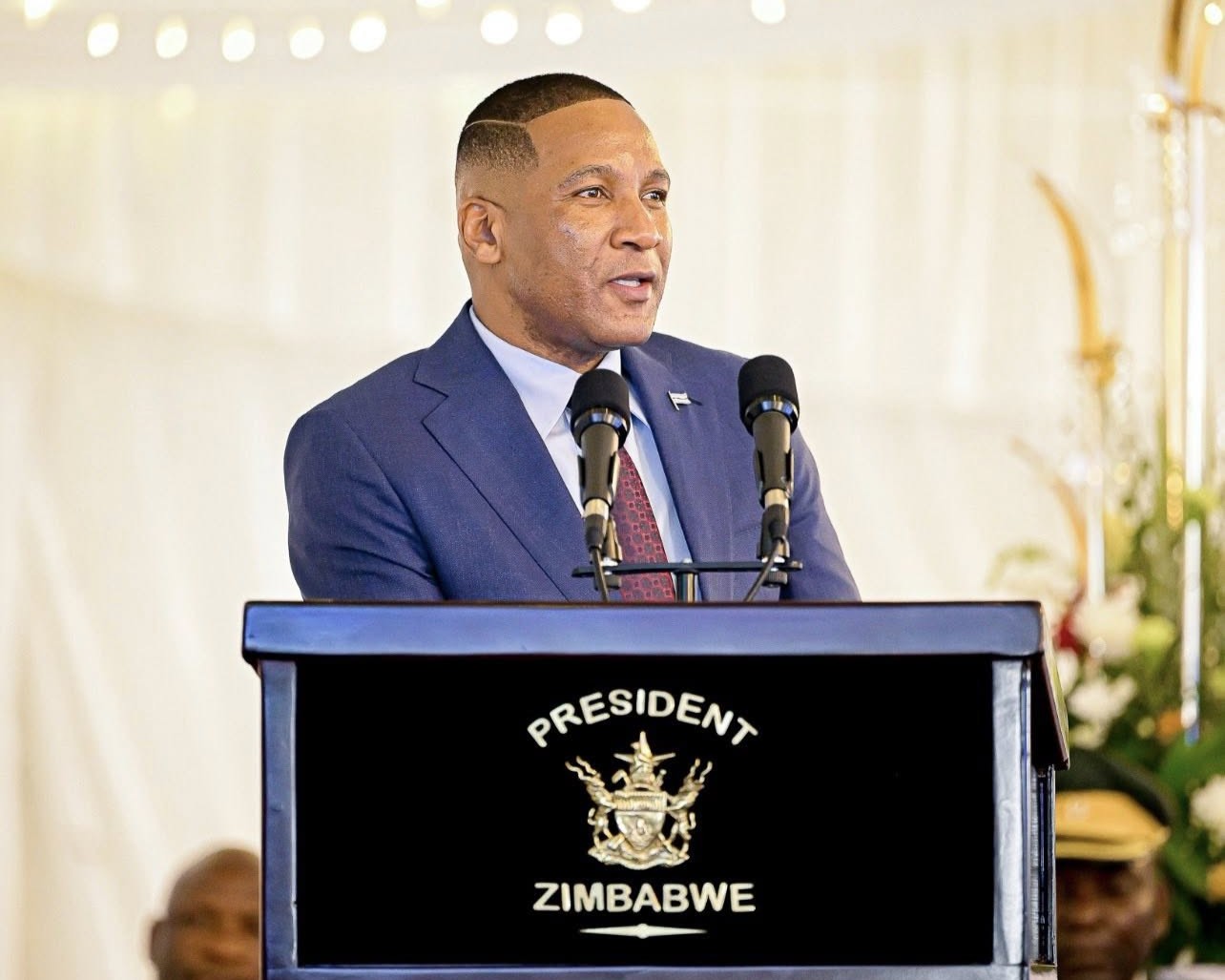
President Advocate Duma Gideon Boko took a firm step in reinforcing regional unity during the 5th Session of the Botswana and Zimbabwe Bi-National Commission. He opened the session as Co-Chair with a message that focused on partnership, progress, and shared responsibility between the two neighboring countries. His remarks reflected a clear commitment to strengthening ties that have developed over decades through political cooperation, economic exchange, and cultural alignment. He acknowledged Zimbabwe’s hospitality, which set a constructive tone for the discussions that followed. This engagement highlighted the importance of sustained dialogue in building practical solutions for both nations.
The Bi-National Commission continues to serve as a structured platform where Botswana and Zimbabwe assess progress and plan future collaboration. President Boko stressed that this forum is not symbolic but functional, with direct outcomes that affect policy and development. He pointed out that both countries must align their economic strategies to complement each other rather than compete in overlapping sectors. This approach supports efficient use of resources and creates stronger regional value chains. His focus on cooperation reflects a shift toward integrated growth within Southern Africa.
Economic development formed a central part of his address, with specific emphasis on sectors that can drive shared prosperity. He highlighted health, agriculture, trade, and infrastructure as immediate priorities that require coordinated investment. Energy and tourism were also identified as key industries that can benefit from joint planning and cross-border initiatives. Defence and regional security were addressed as essential pillars that protect economic gains and ensure stability. This broad sectoral focus shows a comprehensive strategy that links economic growth with social and security outcomes.
President Boko also raised concern about the increasing threat of synthetic drugs, which has become a growing issue across borders. He called for stronger collaboration between law enforcement agencies and policymakers in both countries. This includes harmonising laws, sharing intelligence, and implementing joint operations to curb illegal activities. He made it clear that isolated efforts are not enough to tackle modern security challenges. Coordinated responses will be critical in protecting communities and maintaining stability.
The session produced concrete results through the signing of ten memorandums of understanding between Botswana and Zimbabwe. These agreements covered defence cooperation, police collaboration against livestock theft, and immigration coordination. Additional areas included prison services, transfer of sentenced persons, and aeronautical search and rescue coordination. The countries also agreed on cooperation in civil aircraft accident investigations and support for small business development. Trade, investment promotion, and collaboration on the Museum of African Liberation were also formalised, showing a wide scope of cooperation.
President Boko expanded the discussion beyond bilateral relations by addressing Africa’s position in the global landscape. He emphasized the continent’s natural resources and young population as key strengths that can drive long-term growth. He encouraged African nations to act with confidence and unity in shaping global economic and political outcomes. This perspective aligns with broader continental goals of self-reliance and sustainable development. His remarks positioned Botswana and Zimbabwe as active contributors to this vision.
He concluded his address with a focus on accountability and results. Dialogue alone, he stated, is not enough without measurable outcomes that improve people’s lives. He urged both countries to move from agreements to implementation with clear timelines and shared responsibility. This approach ensures that cooperation translates into real benefits such as job creation, improved services, and economic stability. His closing message reinforced the idea that Botswana and Zimbabwe are progressing together. Their partnership stands as a model for regional collaboration aimed at achieving long-term prosperity.