Botswana’s textile industry faces a critical turning point. Once a source of jobs and economic activity, local textile production has declined under pressure from cheap imports and global competition. “Made in BW,” a national initiative, aims to reverse this trend by promoting locally produced fabrics and garments while supporting small and medium enterprises.
The program focuses on three key areas: manufacturing, marketing, and skills development. On the manufacturing side, “Made in BW” encourages investment in local factories and modern machinery. The government offers incentives such as tax breaks and access to financing for entrepreneurs who produce textiles within Botswana. These measures aim to increase local production capacity and reduce reliance on imported clothing.
Marketing is a critical element of the initiative. The campaign emphasizes the quality, authenticity, and cultural value of Botswana-made products. By branding items as “Made in BW,” consumers are encouraged to support local businesses. Retail partnerships and online platforms are being developed to increase visibility, both locally and internationally.
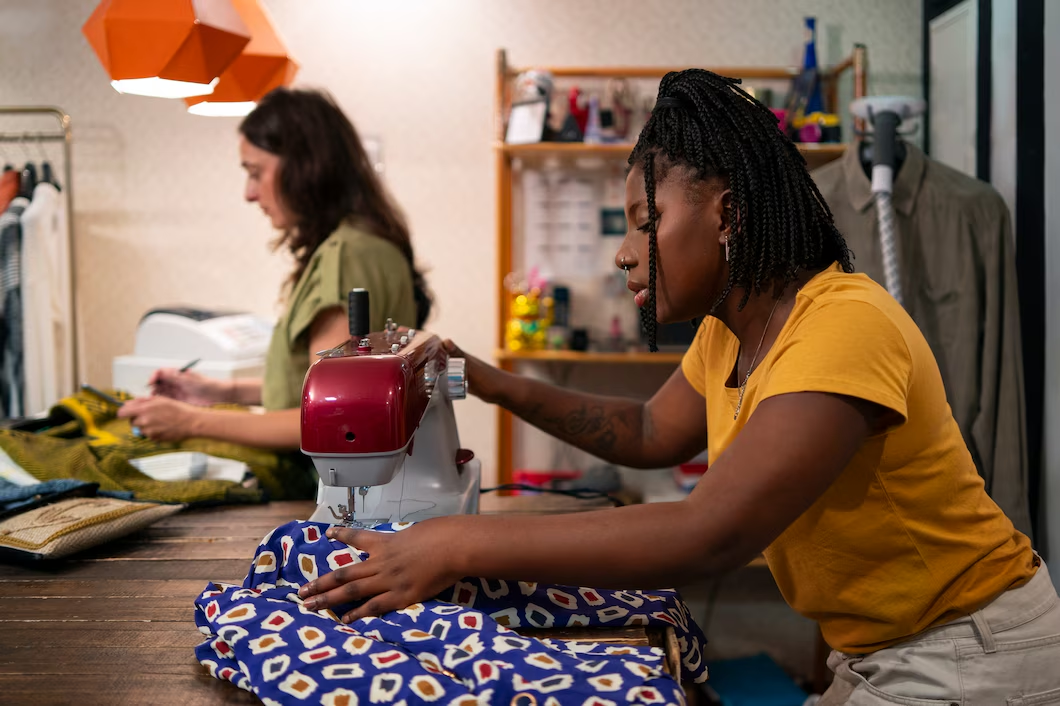
Skills development is equally important. The program partners with vocational schools and training centers to teach modern textile design, garment manufacturing, and business management. By equipping workers with technical and entrepreneurial skills, “Made in BW” aims to build a workforce capable of sustaining a competitive domestic textile industry.
Early results are promising. Several small factories have reopened, producing fabrics for local fashion designers and retailers. Designers are incorporating traditional patterns and materials, giving Botswana textiles a distinct identity. Additionally, export opportunities are emerging, particularly in regional markets such as South Africa and Namibia, where there is growing interest in ethically produced, high-quality garments.
Challenges remain. Competition from imported textiles continues to pressure pricing, and scaling production to meet demand requires significant investment. Infrastructure limitations and high energy costs can also affect production efficiency. However, government support and private sector innovation are creating a foundation for sustainable growth.
The “Made in BW” initiative illustrates how a focused national strategy can revive a declining industry. By combining manufacturing investment, marketing, and skills development, Botswana is positioning its textile sector for long-term success. Supporting local textiles not only strengthens the economy but also preserves cultural heritage and provides employment opportunities across the country.
Consumers can play a role by choosing locally made products, and businesses can leverage the “Made in BW” brand to differentiate their offerings. If successfully scaled, the initiative could transform Botswana’s textile industry into a competitive and culturally significant sector in the Southern African region.