
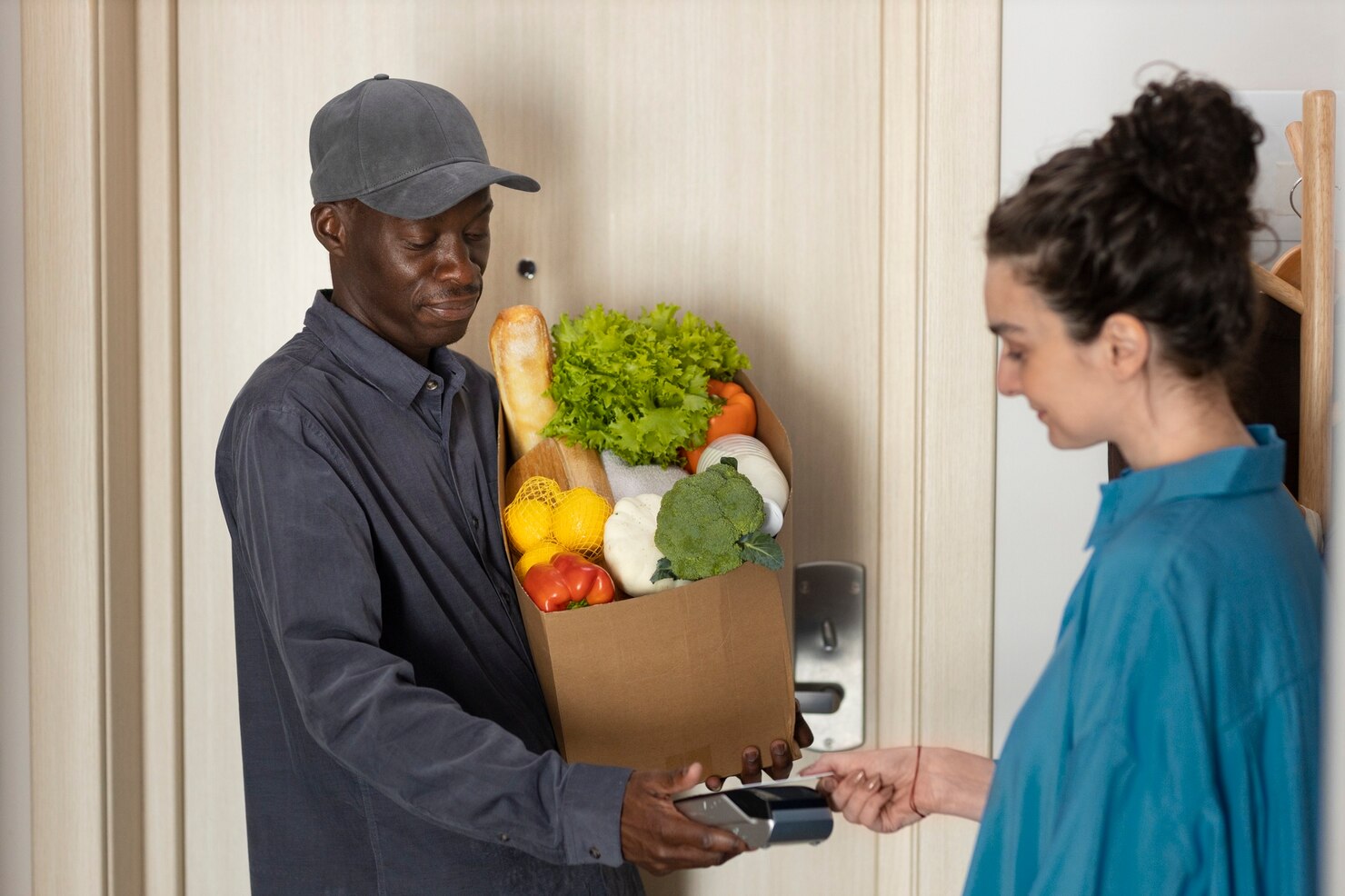
Starting a mobile grocery store using a bakkie in Botswana is an innovative way to reach urban and rural consumers. It offers flexibility, low overhead costs, and the ability to bring goods directly to customers, especially in areas with limited access to supermarkets. Success depends on planning, understanding customer needs, and efficient operations.
The first step is selecting the right bakkie. Choose a vehicle with sufficient load capacity, reliability, and fuel efficiency. A double-cab or single-cab bakkie with a secure cargo bed works well. Consider modifications such as a canopy, shelving, or insulated boxes to protect perishable items. Ensure the vehicle is roadworthy and registered for commercial use.
Licensing and permits are essential. Contact your local council to obtain trading permits and comply with Botswana’s health and safety regulations. If you plan to sell food items, registration with the Ministry of Health or local authorities may be required to ensure food safety standards are met. A business registration through CIPA is also recommended to formalize operations and open business bank accounts.
Next, plan your product range. Focus on fast-moving groceries such as bread, dairy, fresh produce, cooking oil, canned goods, and beverages. Seasonal and local products can attract repeat customers. Stock smaller quantities initially to reduce waste and test customer demand. Include essential hygiene items like soap and disinfectants, as these remain in demand.
Storage and refrigeration are critical for perishable goods. Invest in cool boxes or portable refrigerators for items like milk, eggs, and fresh vegetables. For longer routes, solar-powered refrigeration can help maintain product quality. Organize the cargo area with shelves or crates for easy access and display.
Route planning and scheduling are key to efficiency. Identify neighborhoods, office complexes, and rural areas with limited access to grocery stores. Establish a predictable schedule so customers know when the mobile store will arrive. Social media and WhatsApp groups can help communicate routes and daily stock updates to attract consistent buyers.
Pricing should be competitive but sustainable. Consider fuel costs, vehicle maintenance, and product markup. Offering bundle deals, discounts on bulk purchases, or loyalty incentives can attract more customers. Keep clear pricing labels visible to avoid confusion and build trust.
Marketing and branding play an important role. Decorate the bakkie with your store name, logo, and product images. Visual branding helps customers recognize the vehicle from a distance. Word-of-mouth marketing in the community is effective, especially when combined with social media promotion and small giveaways.
Customer service is vital for retention. Engage with buyers politely, answer questions about products, and ensure smooth transactions. Mobile money payments through platforms like MyZaka or bank card readers can increase convenience and sales.
Maintenance and operations must not be overlooked. Regular servicing of the bakkie reduces breakdowns, and routine checks of refrigeration and storage equipment maintain product quality. Keep records of sales, expenses, and inventory to track profitability and plan growth.
Turning a bakkie into a mobile grocery store in Botswana allows entrepreneurs to reach underserved markets while keeping startup costs low. With careful planning, efficient logistics, and attention to customer needs, a mobile grocery business can grow into a profitable venture that serves both urban and rural communities effectively.