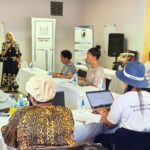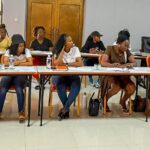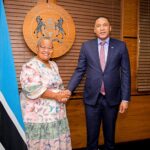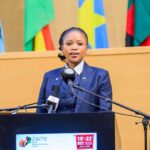
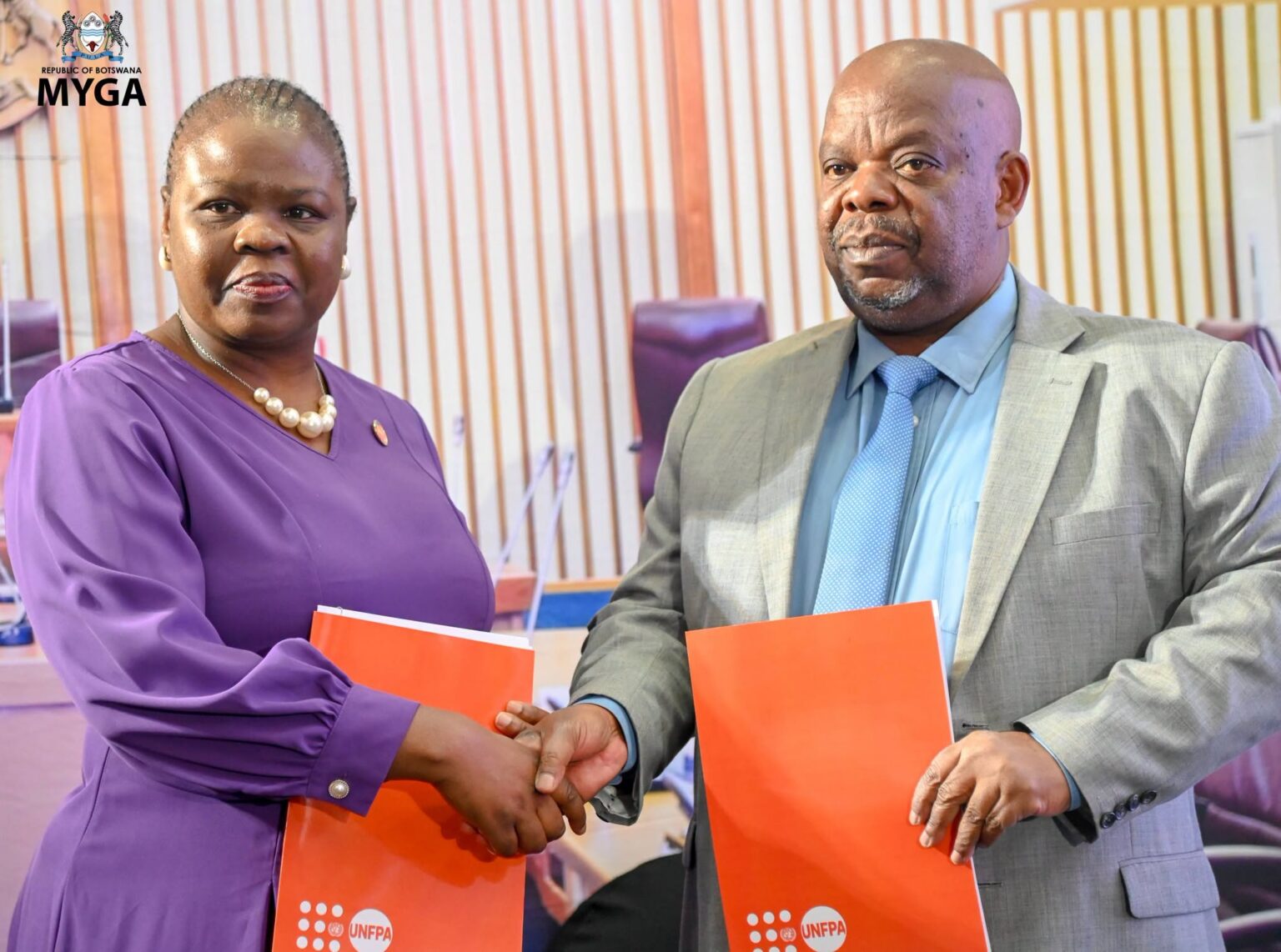
The United Nations Population Fund (UNFPA) Botswana and Ntlo ya Dikgosi have strengthened their partnership to promote gender equality, address harmful social norms and improve the well-being of communities across Botswana. The partnership was formalised through the signing of a Memorandum of Understanding (MoU), establishing a framework for greater collaboration on important social development priorities. The initiative recognises the influential role of traditional leaders in shaping community attitudes, promoting inclusive practices and supporting efforts to prevent gender-based violence. It also seeks to strengthen awareness of sexual and reproductive health and rights (SRHR) while improving engagement with young people, women, men and vulnerable groups. Through this collaboration, the two institutions aim to translate discussions about gender equality into practical recommendations and community-level actions that support safer, healthier and more inclusive societies.
The partnership brings together UNFPA Botswana’s work on sexual and reproductive health, gender equality and population development with the community leadership role of Ntlo ya Dikgosi. As an institution representing traditional leadership, Ntlo ya Dikgosi provides a platform for discussing social issues that affect families and communities throughout the country. Traditional leaders can help explain policies, encourage community participation and challenge attitudes that contribute to discrimination or violence. Their involvement is particularly important when addressing social norms that influence relationships, family responsibilities and decisions about health and well-being. By strengthening cooperation between traditional institutions and development partners, the agreement aims to support a more coordinated response to the social challenges affecting Botswana.
Chairperson of Ntlo ya Dikgosi, Kgosi Malope II, highlighted the importance of strengthening engagement with traditional leaders through dialogue, information sharing and practical recommendations. He explained that the initiative includes handing over resources on sexual and reproductive health and rights, distributing gender policy guidelines and developing actionable recommendations to inform policy and legal frameworks. These activities are intended to provide traditional leaders with information and tools that can help them address gender-related concerns within their communities. Access to clear guidance can also support more informed discussions about health, equality and the protection of individual rights. The focus on actionable recommendations reflects the need to move beyond general commitments and identify measures that can be applied in community settings.
Deputy Permanent Secretary in the Ministry of Youth and Gender Affairs, Ms Thapelo Phuthego, commended Dikgosi for their continued contribution to advancing gender equality and addressing challenges affecting families and communities. She recognised the important role traditional leaders play in preventing and responding to gender-based violence, while emphasising the need to consider both women and men when developing interventions. Gender-based violence affects individuals, families and communities, and effective responses require prevention, support for survivors and accountability for those responsible. Engaging men and boys can help challenge beliefs and behaviours that normalise violence, promote unequal relationships or discourage people from seeking assistance. At the same time, interventions must remain focused on protecting the rights, safety and dignity of those affected by violence.
Ms Phuthego also referred to recommendations from the first meeting held in 2012 and encouraged traditional leaders to strengthen their engagement with young people. She emphasised the importance of helping young people identify sustainable livelihood opportunities that can improve their well-being and contribute to community development. Access to meaningful economic opportunities can help young people build independence, develop practical skills and participate more actively in society. Traditional leaders can support these efforts by encouraging dialogue between young people, families, community organisations and relevant institutions. Stronger engagement can also help decision-makers understand the challenges young people face and identify responses that reflect their needs and aspirations.
UNFPA representative Kagiso Molatlhwa underscored the importance of addressing harmful social norms to advance sexual and reproductive health and rights across Eastern and Southern Africa. She noted that harmful norms can contribute to gender-based violence, preventable HIV infections, early pregnancies and poor health outcomes. These challenges are often connected to unequal power relationships, stigma, limited access to reliable information and restrictions on people’s ability to make informed decisions about their health. Addressing them requires more than providing health services, as communities also need environments where people can seek information and assistance without fear of discrimination or judgement. Cooperation with traditional leaders can help encourage open discussions about these issues and promote attitudes that support health, equality and personal dignity.
Molatlhwa also highlighted barriers that prevent some people from accessing essential services, including limited youth-friendly services, concerns about confidentiality and the exclusion of persons with disabilities. Young people may hesitate to seek sexual and reproductive health information when they fear that their privacy will not be respected. A lack of services designed to meet their needs can further discourage them from obtaining timely information, counselling or care. Persons with disabilities may face additional barriers when facilities, communication methods or service arrangements do not accommodate their needs. Addressing these challenges requires service providers and policymakers to improve accessibility, protect confidentiality and ensure that sexual and reproductive health services respond to the needs of different groups within the population.
The dialogue also featured a panel discussion involving Dr Godisang Mookodi, Mr Desmond Lunga, Kgosi Bonang Karondu and Kgosi Basadi Seipone. The panel explored strategies for challenging harmful social norms, advancing gender equality and encouraging positive engagement among men and boys. These discussions recognised that social expectations can influence how people understand leadership, relationships, family responsibilities and the roles of women and men. When such expectations reinforce inequality or excuse harmful behaviour, they can make it more difficult for communities to prevent violence and promote respectful relationships. Engaging men and boys in gender equality initiatives can help encourage shared responsibility, challenge discriminatory attitudes and support healthier relationships within families and communities.
Further contributions from Kgosi Sebata Masalila, Kgosi Gaokgakala Monnathebe, Reverend Mpho Moruakgomo and Ms Lorato Moalusi examined the effects of gender and social norms on gender-based violence and considered possible community responses. Their participation broadened the discussion by bringing together perspectives from traditional leadership, religious leadership and other areas of community engagement. These perspectives are important because social norms develop and persist through everyday interactions, cultural expectations and the messages people receive from those around them. Community responses can therefore benefit from cooperation among leaders who influence public attitudes and help shape local discussions. By working together, these stakeholders can encourage respectful relationships, improve awareness of available support and strengthen community efforts to prevent violence.
The signing of the Memorandum of Understanding by Kgosi Malope II and Ms Pietersen of UNFPA marked a significant milestone in the partnership between Ntlo ya Dikgosi and UNFPA Botswana. The agreement provides a formal basis for continued cooperation on gender equality, sexual and reproductive health and rights, and efforts to address harmful social norms. Formalising the partnership can help clarify shared priorities and support more structured engagement between the two institutions. However, the agreement’s practical value will depend on how its objectives are translated into activities, recommendations and sustained community involvement. Continued coordination will be important to ensure that the commitments made through the partnership lead to meaningful improvements in people’s lives.
The high-level dialogue is scheduled to take place during the October sitting of Ntlo ya Dikgosi, with a final report and action plan expected to be completed by the end of November 2026. These outcomes are intended to guide future interventions aimed at addressing harmful social norms and promoting inclusive, gender-responsive community development. A clear action plan can help identify priorities, outline responsibilities and establish a basis for monitoring progress. It can also help ensure that the concerns raised during the dialogue inform future discussions, policies and community initiatives. The report and action plan will therefore be important in determining how the partnership’s commitments are carried forward beyond the initial engagement.
The strengthened partnership between UNFPA Botswana and Ntlo ya Dikgosi highlights the importance of involving traditional leadership in efforts to advance gender equality and protect community well-being. By combining policy guidance, sexual and reproductive health resources and dialogue with practical action, the two institutions aim to address the social attitudes that contribute to gender-based violence, early pregnancies, preventable HIV infections and unequal access to essential services. The involvement of young people, men and boys, women and persons with disabilities is also important to ensure that interventions reflect the needs of the wider community. As the October dialogue and the preparation of the final report and action plan move forward, sustained cooperation and accountability will be essential to achieving lasting results. Ultimately, progress will depend on turning the Memorandum of Understanding into practical measures that promote dignity, equality, accessible services and safer communities throughout Botswana.