
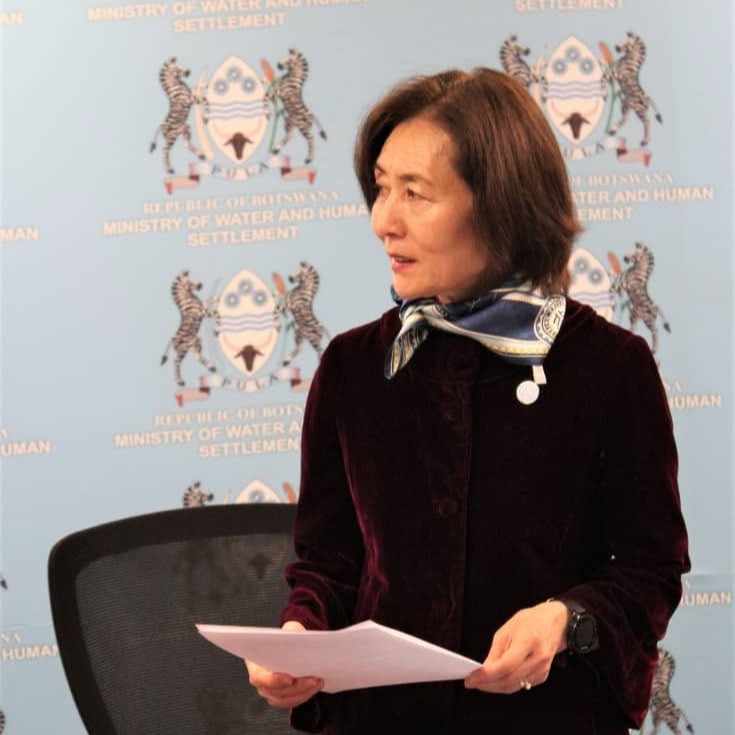
World Habitat Day 2026 has highlighted the urgent need to address the global housing crisis and ensure that everyone has access to adequate housing. Speaking during the observance, UN Resident Coordinator Ms. Wenyan Yang warned that billions of people around the world continue to live without suitable housing. She said more than 3 billion people currently lack access to adequate housing, while more than 1.1 billion people live in informal settlements and hundreds of millions experience homelessness. These figures demonstrate the scale of the housing challenge and the number of people affected by inadequate living conditions. The 2026 theme, “Adequate Housing for All”, places housing at the centre of discussions about dignity, safety, stability and opportunity.
Adequate housing is more than having a roof over your head. It provides a foundation from which individuals and families can pursue education, employment, health and other opportunities. When housing is inadequate, people may face conditions that affect their sense of security and ability to build stable lives. Ms. Yang stressed that inadequate housing deprives people of dignity, safety, stability and opportunity. Her message draws attention to the broader social impact of housing conditions and shows why housing remains an important development issue. Addressing housing challenges therefore requires attention not only to the availability of homes but also to whether people can live in conditions that provide security and dignity.
The global housing crisis affects people in different ways, including those living in informal settlements and those experiencing homelessness. The figure of more than 1.1 billion people living in informal settlements illustrates the large number of people whose housing situations fall outside adequate and secure living conditions. Homelessness represents another serious dimension of the crisis, with hundreds of millions of people experiencing a lack of stable housing. These circumstances can make it more difficult for people to maintain stability and access opportunities. The scale of the problem also shows why housing requires sustained attention from governments, development partners and other stakeholders.
The theme “Adequate Housing for All” provides a clear focus for World Habitat Day 2026. It emphasises that the objective should not simply be to increase the number of housing units but to ensure that people have access to housing that meets basic standards of adequacy. The theme also connects housing with fundamental aspects of human wellbeing, including dignity and safety. For communities, adequate housing can provide greater stability and a stronger foundation for families and individuals. For policymakers and development partners, the theme serves as a reminder that housing remains an important part of broader efforts to improve living conditions and expand opportunities.
Botswana was also highlighted during Ms. Yang’s remarks as an important part of the United Nations’ housing support efforts. She reaffirmed the United Nations’ commitment to supporting Botswana through the Housing Expert Working Group partnership with the Ministry of Water and Human Settlement. The partnership is intended to help turn the aspiration of adequate housing for all into practical action. This focus on practical action is significant because addressing housing challenges requires more than recognising the problem. It requires cooperation, expertise and efforts that can help translate housing goals into meaningful progress.
The Housing Expert Working Group partnership provides a framework for collaboration between the United Nations and Botswana’s Ministry of Water and Human Settlement. Its role, as highlighted by Ms. Yang, is connected to efforts to support Botswana in addressing housing needs. Working through a partnership can bring together expertise and institutional support around a shared objective. The emphasis on expert engagement also reflects the complexity of housing issues, which can involve different needs and challenges within communities. Continued cooperation can help maintain attention on the goal of improving access to adequate housing and turning policy aspirations into practical measures.
The housing crisis also highlights the importance of considering the needs of people who live in vulnerable circumstances. People without adequate housing can face a lack of stability that affects other areas of their lives. Informal settlements and homelessness are clear examples of housing situations that require sustained attention and practical responses. The figures presented by Ms. Yang show that these challenges extend across countries and affect a significant share of the global population. Recognising these realities is an important part of building greater awareness around the need for adequate, safe and dignified housing.
World Habitat Day also creates an opportunity to examine the relationship between housing and broader human development. A stable home can provide people with a secure environment from which they can pursue opportunities and plan for the future. Inadequate housing can undermine that stability and limit people’s ability to benefit from social and economic opportunities. This is why Ms. Yang’s reference to dignity, safety, stability and opportunity is central to the 2026 theme. Housing is not an isolated concern because the quality and security of people’s living environments can influence their ability to participate fully in their communities.
For Botswana, the commitment expressed by the United Nations provides a basis for continued cooperation on housing challenges. The partnership with the Ministry of Water and Human Settlement places housing within an ongoing framework of collaboration and expert support. The focus on turning an aspiration into practical action is particularly important as the country works to address housing needs. While the global figures demonstrate the scale of the international challenge, local partnerships are important for responding to specific national circumstances. Continued attention to adequate housing can help keep the needs of communities at the centre of development discussions.
The message from World Habitat Day 2026 is clear: adequate housing remains a major global development priority. More than 3 billion people lack access to adequate housing, more than 1.1 billion live in informal settlements and hundreds of millions experience homelessness, according to the figures highlighted by Ms. Wenyan Yang. These figures underline why housing must be considered in terms of dignity, safety, stability and opportunity rather than as shelter alone. In Botswana, the United Nations has reaffirmed its commitment to supporting housing efforts through the Housing Expert Working Group partnership with the Ministry of Water and Human Settlement. The theme “Adequate Housing for All” therefore provides both a reminder of the scale of the crisis and a clear call to turn commitments into practical action that can improve housing conditions for people and communities.