
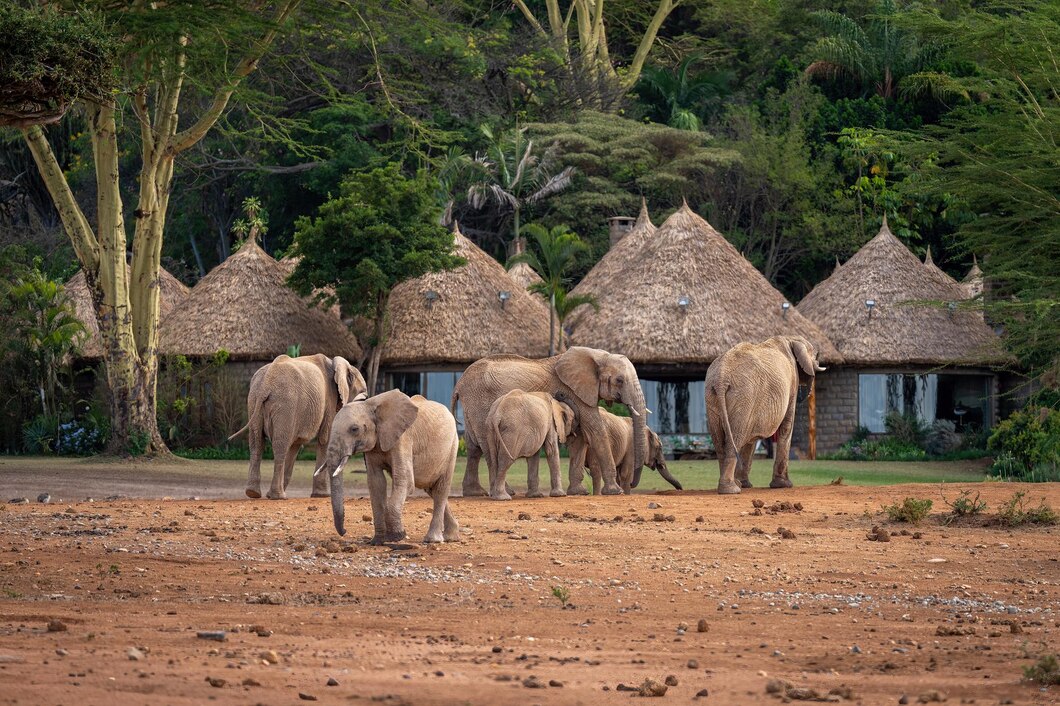
Botswana, known for its pristine wilderness and wildlife-rich destinations like the Okavango Delta and Chobe National Park, is also gaining recognition for its growing commitment to sustainable tourism. Eco-friendly lodges are at the forefront of this movement, offering travelers a chance to experience nature responsibly while contributing to conservation and local communities. But for lodge owners and developers, understanding the certifications and funding available for eco-tourism initiatives is key to standing out and staying profitable in an increasingly green-conscious market.
Why Eco-Friendly Lodges Matter in Botswana
Tourism is a major contributor to Botswana’s GDP, and much of the country’s appeal lies in its natural landscapes. However, with growing concerns about environmental degradation and climate change, the tourism sector is shifting toward more sustainable practices.
Eco-lodges play a crucial role in:
- Reducing environmental impact through renewable energy, waste management, and water conservation
- Promoting community-based tourism by employing local staff and sourcing materials locally
- Protecting biodiversity by operating in harmony with natural ecosystems
Tourists are also becoming more selective, often preferring accommodations that align with responsible travel principles.
Key Eco-Certifications for Lodges in Botswana
For lodges to market themselves as truly eco-friendly, obtaining recognized certifications can boost credibility and attract eco-conscious travelers and partners. Some of the most relevant certifications include:
1. EcoTourism Botswana Certification
Run by Botswana Tourism Organisation (BTO), this national certification assesses lodges based on environmental management, cultural respect, conservation efforts, and local community support. It is divided into three levels:
- Green: Entry-level commitment to sustainable practices
- Green+: Intermediate sustainability practices
- Eco: High-level commitment to eco-tourism standards
This certification is well-regarded both locally and internationally, and it can enhance a lodge’s visibility in Botswana’s official tourism marketing platforms.
2. Green Globe Certification
This global sustainability certification is recognized in the hospitality and tourism sectors. Lodges are evaluated on energy efficiency, water usage, social impact, and environmental policies. While more expensive than national options, it gives lodges an international edge.
3. Fair Trade Tourism
Although based in South Africa, this label is relevant to Southern Africa and is awarded to lodges that meet rigorous sustainability, fair labor, and community engagement standards. It can appeal to ethical travelers and European markets.
Funding Opportunities for Eco-Lodge Development
Developing or upgrading to eco-friendly standards can be costly. Fortunately, there are several funding sources and grants that support sustainable tourism in Botswana:
1. Botswana Tourism Organisation (BTO) Grants
BTO supports the development of eco-tourism enterprises, especially in rural areas. Funding is often available for small infrastructure projects, training, and marketing for certified eco-lodges.
2. Citizen Entrepreneurial Development Agency (CEDA)
CEDA offers loans and financial support for citizen-owned businesses, including those in eco-tourism. Lodges that demonstrate sustainable practices and potential for job creation are more likely to receive favorable terms.
3. United Nations Development Programme (UNDP) – GEF Small Grants Programme
This global initiative funds community-based projects that promote biodiversity conservation, climate resilience, and sustainable tourism. Botswana-based eco-lodges that work with local communities or manage conservancies can apply.
4. Donor and NGO Partnerships
Various international NGOs and conservation agencies support eco-tourism projects. Partnerships with groups like African Wildlife Foundation (AWF) or World Wildlife Fund (WWF) can include technical assistance, funding, and international exposure.
5. Carbon Credit and Green Investment Programs
Lodges that invest in renewable energy or forest conservation may qualify for green financing or carbon credit schemes through international climate funds.
Tips for Lodge Owners Seeking Certification and Funding
- Start with a sustainability audit: Understand your lodge’s current environmental impact and where improvements are needed.
- Engage the local community: Funders and certifiers look favorably on projects that involve and benefit surrounding communities.
- Invest in renewable energy: Solar panels, water recycling, and composting toilets are key features of successful eco-lodges.
- Keep records: Track water and energy usage, employment numbers, and conservation efforts to support your certification and funding applications.
- Apply early: Grant cycles are competitive, so early planning and a strong business case are essential.
Eco-friendly lodges in Botswana are more than just a tourism trend—they are a vital part of sustainable development and environmental stewardship. By obtaining certifications and leveraging available funding, lodge owners can not only improve their operations but also boost their appeal to the growing market of responsible travelers. As Botswana continues to lead in eco-tourism, certified and sustainably funded lodges will play a key role in preserving the country’s natural treasures for generations to come.