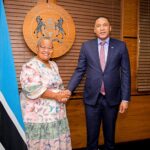

Botswana has called for stronger regional cooperation to build sustainable industries around minerals extracted in Southern Africa, highlighting the need to move beyond mining raw materials towards creating greater economic value within the continent. The Minister of Minerals and Energy, Honourable Bogolo Joy Kenewendo, shared Botswana’s perspective on how countries can work together to develop mineral value chains that support industrialisation, employment and long-term economic growth. She emphasised that Africa’s future in the mining sector will depend not only on its ability to extract valuable resources but also on its capacity to build industries around them. Her remarks placed regional cooperation, skills development, infrastructure and reliable mineral supplies at the centre of efforts to transform Africa’s mining landscape. The message reflects Botswana’s commitment to exploring opportunities that allow Southern African countries to benefit more directly from their mineral wealth.
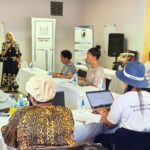
Minister Kenewendo represented the President of the Republic of Botswana, Advocate Duma Gideon Boko, at the 2026 Zambia Mining and Investment Insaka in Lusaka, Zambia. The conference brought together discussions on mining investment, regional value chains, shared prosperity and the role of communities in Africa’s mineral development. Held under the theme “Transforming Africa’s Mining Landscape: Regional Value Chains, Shared Prosperity and Empowering Communities”, the event provided a platform to consider how the mining sector can contribute more effectively to economic transformation. The discussions focused on the importance of developing stronger connections between mineral production, industrial activity and wider economic opportunities. Botswana’s participation highlighted the importance of regional dialogue in identifying practical ways for Southern African countries to strengthen their mining industries and attract investment.
In outlining Botswana’s position, Minister Kenewendo stressed that the central question facing Africa is no longer whether the continent can extract minerals, but whether it can build industries around those resources. Her statement highlights a major challenge for mineral-rich economies that want to secure more economic benefits from their natural resources. Mining generates revenue and supports economic activity, but additional value can be created when minerals are processed and used in manufacturing and other industrial activities. Developing these industries can help countries expand their production capacity, create skilled jobs and build stronger domestic supply chains. The shift towards mineral-based industrialisation therefore requires governments to consider how extraction can support broader economic development rather than remain an isolated activity.
The development of regional mineral value chains is particularly important because individual countries may not possess every resource and capability required to support large-scale industrial projects. Minister Kenewendo explained that no single country has all the ore, electricity, infrastructure and skills demanded by the market. This means that countries must identify areas where their resources and capabilities complement those of their neighbours. Joint planning can help governments and businesses determine which projects are commercially viable and how different parts of the production process can be coordinated across borders. Such cooperation may also reduce duplication, improve access to essential infrastructure and create opportunities for countries to participate in industries that would be difficult to establish independently. A regional approach can therefore help Southern Africa make more effective use of its combined mineral resources and industrial potential.
Minister Kenewendo also emphasised the importance of coordinating viable projects, transferring skills and strengthening transport and logistics systems. These factors are essential for building competitive mineral value chains because industrial development requires more than access to raw materials. Mining and mineral processing projects need dependable electricity, suitable transport networks, efficient border procedures and a workforce with the necessary technical expertise. Without these supporting systems, the cost of moving and processing minerals can limit the commercial viability of regional projects. Cooperation between governments, investors and industry can help identify infrastructure gaps and develop solutions that benefit several countries. Skills transfer is equally important because regional industrialisation depends on building local expertise in areas such as mineral processing, engineering, maintenance and industrial management.
Botswana’s own mineral resources could contribute to these regional ambitions where commercially viable opportunities exist. Minister Kenewendo identified copper, nickel, manganese and other resources as potential contributions to regional industries. She also noted that Botswana is strengthening mineral exploration to support a secure supply of minerals for industrial development. Reliable supplies are important for investors and manufacturers who need confidence that raw materials will be available over the life of a project. Better exploration can help improve understanding of mineral deposits and support informed decisions about future investment, although the development of any particular resource will depend on geological findings, commercial conditions and the infrastructure available. By identifying viable opportunities and coordinating with neighbouring countries, Botswana can explore ways to participate in regional value chains while supporting the development of its own mining sector.
A key part of Botswana’s position is that regional cooperation should be based on partnership rather than competition between neighbouring countries. Minister Kenewendo said, “Botswana’s part is to be reliable partner. We can contribute copper, nickel, manganese and other resources where they are viable, and we are strengthening exploration so that regional industries have a secure supply of minerals. We will do this alongside our neighbours, not in competition with them.” Her remarks underline the potential benefits of countries combining their respective strengths to support industries that serve wider regional and international markets. Rather than each country attempting to develop every stage of mineral production independently, governments can explore complementary roles based on available resources, infrastructure, expertise and investment opportunities. This approach could help create a more connected regional mining industry while allowing participating countries to retain opportunities for national economic development.
Regional mineral value chains could also support employment and skills development across Southern Africa. Establishing processing facilities and industries that use mineral inputs can create demand for workers in technical, engineering, manufacturing and logistics occupations. These activities may also create opportunities for local suppliers that provide equipment, transport, maintenance and other business services. However, the scale of these benefits will depend on the viability of individual projects, the availability of investment and the ability of local businesses and workers to meet industry requirements. Governments will need to support education, vocational training and partnerships between industry and training institutions to ensure that citizens can access emerging employment opportunities. A coordinated regional approach could help expand these opportunities while building the skills needed to sustain more advanced industrial activity.
Investment will remain another important factor in transforming Africa’s mining landscape. Developing mineral processing facilities, transport infrastructure and related industries often requires significant capital, long-term planning and confidence in the commercial environment. Investors need clear policies, predictable regulations, reliable infrastructure and a sound understanding of the resources available to support proposed projects. Regional cooperation can help create a stronger investment proposition by linking mineral supplies with transport networks, energy systems and potential industrial customers across national borders. At the same time, governments must assess projects carefully to ensure that they are commercially sustainable and deliver meaningful benefits to their economies. The emphasis on viable projects in Minister Kenewendo’s remarks reflects the importance of balancing regional ambition with practical economic considerations.
The conference theme also placed shared prosperity and community empowerment at the centre of discussions about mining investment. Mineral development can contribute to national economic growth, but its wider value depends on how effectively its benefits reach workers, businesses and communities. Local procurement, workforce development and opportunities for businesses to participate in mining supply chains can help broaden the economic impact of the sector. Responsible mineral development also requires attention to environmental management, land use and the long-term interests of communities affected by mining operations. Regional value chains should therefore be assessed not only by the volume of minerals extracted or processed but also by their contribution to employment, skills, business development and sustainable livelihoods. These considerations are important as African countries seek to build mining industries that support lasting economic and social progress.
Botswana’s participation in the 2026 Zambia Mining and Investment Insaka reflects its engagement in regional discussions about the future of mineral development and industrialisation. The country’s approach, as outlined by Minister Kenewendo, centres on reliable mineral supplies, stronger exploration, practical cooperation and the development of industries that can benefit from shared regional capabilities. Southern African countries have different resource endowments and levels of infrastructure, creating opportunities for cooperation where their strengths complement one another. Turning these opportunities into functioning value chains will require detailed planning, investment, skills development and effective coordination among governments and businesses. The success of regional initiatives will ultimately depend on whether proposed projects can operate competitively and generate benefits for participating economies and their people.
Minister Kenewendo’s message at the Zambia Mining and Investment Insaka reinforces the importance of moving from mineral extraction towards greater value creation across Southern Africa. Botswana’s willingness to contribute viable mineral resources and strengthen exploration provides a basis for considering how the country can participate in regional industrial development alongside its neighbours. Stronger transport links, reliable energy supplies, skills transfer and coordinated investment will be essential to making these ambitions practical. If countries align their resources and capabilities around commercially sound projects, mineral wealth could support a wider range of industries, jobs and business opportunities across the region. The long-term challenge is to turn Africa’s mineral resources into sustainable economic value, ensuring that regional cooperation delivers shared prosperity while strengthening the continent’s industrial capacity.