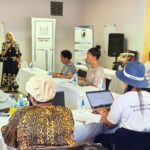
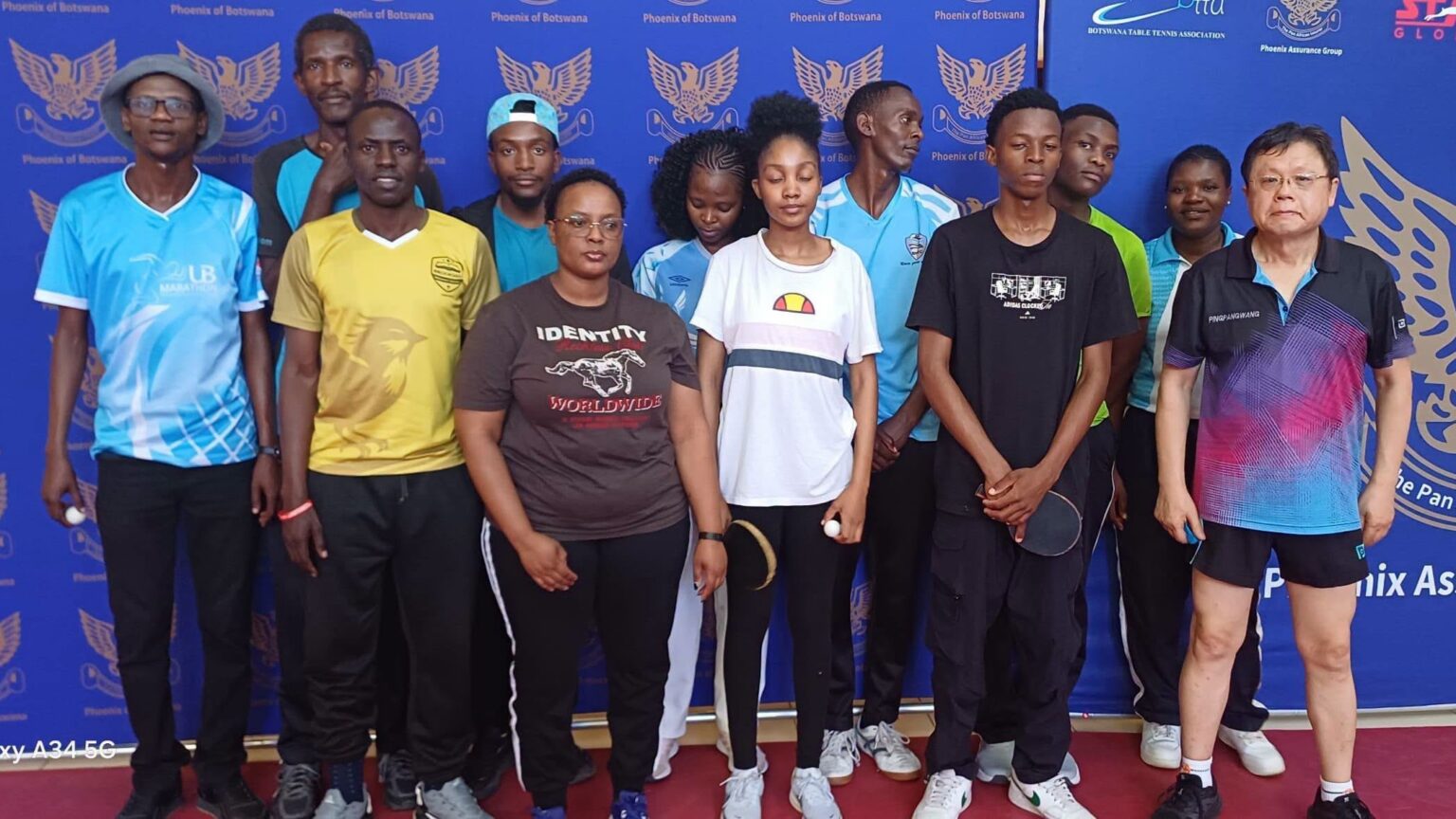
The Botswana Table Tennis Association (BTTA) has launched a five-day International Table Tennis Federation (ITTF) Level 1 Coaching Course at Babusi Hall in Gaborone, bringing together 15 participants to strengthen coaching capacity and promote grassroots table tennis development across Botswana. The programme aims to equip participants with essential coaching knowledge and practical skills to introduce the sport to beginners, support aspiring players and encourage wider participation in schools and communities. The course began on Tuesday, 21 October 2026, with five women and 10 men representing English-medium schools, table tennis clubs and Re Babonaha centres. Their participation reflects the BTTA’s efforts to expand access to quality coaching and create more opportunities for young people to discover and develop their sporting abilities. By investing in coach education, the association seeks to build a stronger foundation for the long-term growth of table tennis in Botswana.
The training is being facilitated by Kealeboga Keitsing, an International Table Tennis Federation expert and ITTF Africa Participation Officer. Keitsing is guiding participants through the fundamental principles and practical methods required to coach table tennis effectively. The training focuses on developing an understanding of the game while helping participants learn how to teach its basic skills to players with different levels of experience. This approach is important because effective coaching requires more than personal knowledge of a sport. Coaches must also understand how to communicate instructions, demonstrate techniques, plan appropriate activities and help players improve through regular practice. The course therefore provides a foundation for participants who want to contribute to table tennis development in their respective institutions and communities.
During the five-day programme, participants are expected to develop their understanding of basic table tennis techniques, coaching methods, training session planning and player development. These skills can help new coaches organise structured training sessions that introduce beginners to the sport in a clear and engaging way. Learning how to plan sessions also enables coaches to set appropriate objectives, select suitable activities and monitor players’ progress over time. Participants are expected to gain practical knowledge that can support players at different stages of development, particularly those who are taking their first steps in table tennis. The training also highlights the coach’s role in creating a positive learning environment where players feel encouraged to practise, learn from mistakes and improve their performance.
A key objective of the BTTA Level 1 Coaching Course is to strengthen grassroots table tennis development through schools and community-based sporting structures. Schools provide an important environment for introducing children to sport, developing physical coordination and encouraging active lifestyles. With suitable coaching, learners can develop fundamental table tennis skills while gaining experience in discipline, concentration and teamwork. Community centres and local clubs can also provide accessible spaces where young people practise regularly and build confidence in their abilities. By training individuals who work across these different environments, the BTTA can help extend the reach of table tennis beyond established competitive structures. This wider approach may also help identify promising players at an early stage and create opportunities for them to progress into organised training and competition.
The involvement of participants from English-medium schools, clubs and Re Babonaha centres demonstrates the value of bringing together people from different sporting and educational backgrounds. Each participant has the potential to apply the knowledge gained during the course within their own institution or community. Coaches working in schools can help introduce the sport to learners, while club representatives can use their training to support players who want to improve their competitive skills. Those connected to community-based centres can help make table tennis more accessible to people who may have limited opportunities to participate in organised sport. This diversity of participation supports the broader goal of building a wider network of people capable of teaching and promoting the game. It also creates an opportunity for participants to exchange experiences and learn about the different challenges involved in developing table tennis across Botswana.
The 15 participants taking part in the ITTF Level 1 Coaching Course represent a range of institutions and sporting environments. They are Bosheng Yang of Sedilega Hospital, Sebongile Six of BDF TTC, Tebogo Phuthego Masunga of Crack It Tuition, Teto Nkele of Bontleng Ithuteng and Madziva Takiwa of Brookside Academy. The group also includes Mompati Chabe of BDF TTC, Morwesi Moalosi of Maun, Collen Dzvaka of Bontleng, Keotshephile Batsholeng of Bontleng and Chaiwa Modongo of Brookside Academy. The remaining participants are Laone Setsile of Delta Waters, Wedu Molaba of Mabeleapodi, Kabelo Lekoko of Legae Academy, Mogomotsi Ralentswana of Bontleng and Keolebogile Bana of Legae Academy. Together, the 15 participants form a group that can help extend the reach of coaching knowledge across schools, clubs and community settings. Their involvement represents an investment in the people who will help introduce new players to the sport and support the development of existing participants.
The inclusion of five women among the 15 participants is also significant for expanding coaching opportunities and encouraging broader representation in table tennis. Developing more coaches from different backgrounds can help widen access to sporting activities and provide additional role models for young players. Women coaches can contribute to creating welcoming environments for girls who want to learn table tennis and consider progressing into competitive sport. At the same time, the participation of 10 men adds to the pool of people who can support coaching and player development in their respective institutions. Continued investment in coach education can help ensure that opportunities to learn and teach the sport are available to people across different communities. A broader coaching base can support more regular training activities and improve the ability of local structures to accommodate growing interest in table tennis.
Coach education is an important part of building a sustainable sporting system because the quality of training influences how players learn and develop. Beginners need clear instruction, suitable practice activities and encouragement as they acquire new techniques. Coaches must also understand how to adapt their approach to players’ ages, abilities and individual learning needs. Good session planning can help ensure that training remains organised, progressive and focused on achievable objectives. As participants apply their new knowledge, they can help establish stronger coaching practices within their schools, clubs and community centres. Over time, these improvements may contribute to better player preparation, stronger participation and a more structured pathway from introductory activities to competitive table tennis.
The BTTA’s investment in the ITTF Level 1 Coaching Course reflects the importance of developing the people who support the sport at its foundation. Expanding the number of individuals with basic coaching skills can help local institutions organise more consistent activities and introduce table tennis to new audiences. It can also support the identification of young players who show interest and potential, giving them opportunities to improve through structured practice. However, lasting progress will depend on participants applying their training, receiving opportunities to coach and continuing to develop their knowledge. Schools, clubs and community centres can play an important role by creating space for regular sessions and encouraging young people to take part. Cooperation between these institutions and the BTTA will remain valuable in turning coaching education into wider participation and stronger player development.
As the five-day course progresses, the 15 participants are expected to build a foundation that will help them contribute to the future of table tennis in Botswana. The training at Babusi Hall brings together coach education, grassroots participation and the development of practical skills that can be applied in different sporting environments. Through the guidance of ITTF expert Kealeboga Keitsing, participants are gaining an opportunity to strengthen their understanding of coaching and prepare to support beginners and aspiring players. The initiative reinforces the BTTA’s commitment to improving coaching standards, widening access to the sport and creating opportunities for the next generation of players. Continued investment in coaches, alongside support from schools, clubs and community centres, can help table tennis reach more people and develop a stronger presence throughout Botswana.