School sport in Botswana is slowly moving toward revival after years of uncertainty that followed its suspension in March 2020. The programme was halted due to disputes over teacher allowances and limited funding, which disrupted the structure that once supported youth sports development across the country. Since then, Botswana has struggled to maintain strong performances at regional and international competitions. The absence of an organized school sport system created a gap in talent development and competitive exposure for young athletes. Many stakeholders believe restoring school sport is essential for rebuilding the country’s sports pipeline and nurturing the next generation of athletes.
During the period without structured school competitions, athletics remained the only sporting code consistently delivering success for the country. Much of this achievement came through an out of school development model where private clubs and independent training programmes stepped in to support young athletes. These clubs recruited talented learners from schools and provided training platforms that allowed them to continue competing and improving their performance. While this approach kept some athletes active, it could not fully replace the organized competitions and development pathways that school sport once provided. The absence of regular inter school tournaments limited opportunities for talent discovery across multiple sporting disciplines.
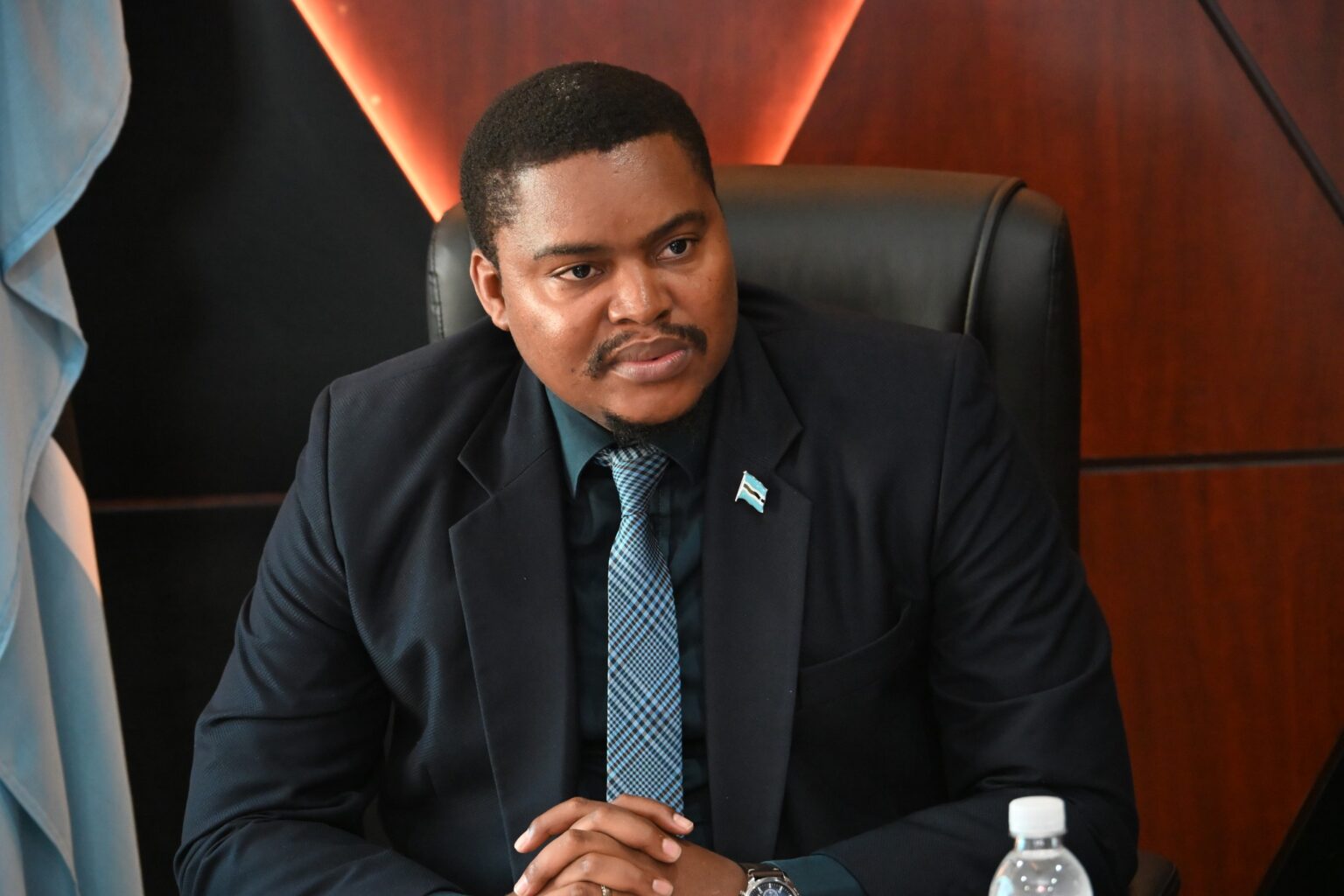
Hope for the return of school sport emerged when the Minister of Sport and Arts, Jacob Kelebeng, relaunched the programme in Lobatse in August. The announcement was widely welcomed by athletes, teachers, and sports administrators who viewed the move as a step toward rebuilding Botswana’s sports culture. However, the initiative faced immediate challenges after teachers’ unions raised concerns that they had not been adequately consulted before the relaunch. The disagreement prevented the programme from fully taking off despite the enthusiasm surrounding the announcement. This situation highlighted the complexity of implementing national sport programmes that involve multiple stakeholders and government departments.
Despite these setbacks, Minister Kelebeng has expressed strong optimism that school sport will return in a more coordinated and sustainable form. He emphasized that school competitions provide learners with opportunities to showcase their talents in different sporting disciplines while promoting physical development and teamwork. The minister explained that efforts to reinstate the programme have continued since its suspension in 2020. One of the main challenges during last year’s attempt was that the initiative involved more than one government ministry, which required careful coordination. Before the suspension, school sport fell under the Ministry of Basic Education, making collaboration between departments essential for its successful implementation.
Another challenge identified by the minister was the timing of the programme’s reintroduction, which coincided with the examination period for many schools. This overlap created logistical difficulties for both educators and learners, limiting the ability to participate in competitions. Stakeholders, particularly teachers’ unions, also expressed concerns about being excluded from consultations during the early stages of the process. Their involvement is considered critical because teachers play a central role in organizing and supervising school sport activities. Addressing these concerns became a key priority in the government’s renewed approach to reviving the programme.
Moving forward, the Ministry of Sport and Arts plans to restart the initiative on a fresh foundation during the current school term. Consultations have already taken place with key stakeholders, including the Ministry of Child Welfare and Basic Education, which is expected to play a central role in implementing the programme. These discussions aim to ensure that all parties understand their responsibilities and contribute to a coordinated strategy for school sport development. By involving unions, education authorities, and sports administrators, the government hopes to create a programme that is both inclusive and sustainable. Such cooperation will help ensure that the revival of school sport benefits learners across the country.
The renewed push to revive school sport represents an important step toward strengthening Botswana’s long term sports development strategy. Organized competitions within schools provide a critical platform for discovering young talent and building competitive experience from an early age. They also promote healthy lifestyles, discipline, and teamwork among students. With stronger consultation and coordinated planning now underway, the prospects for restoring school sport appear more promising. If successfully implemented, the programme could once again become a cornerstone of Botswana’s sporting success while inspiring a new generation of athletes to represent the country at regional and international levels.