
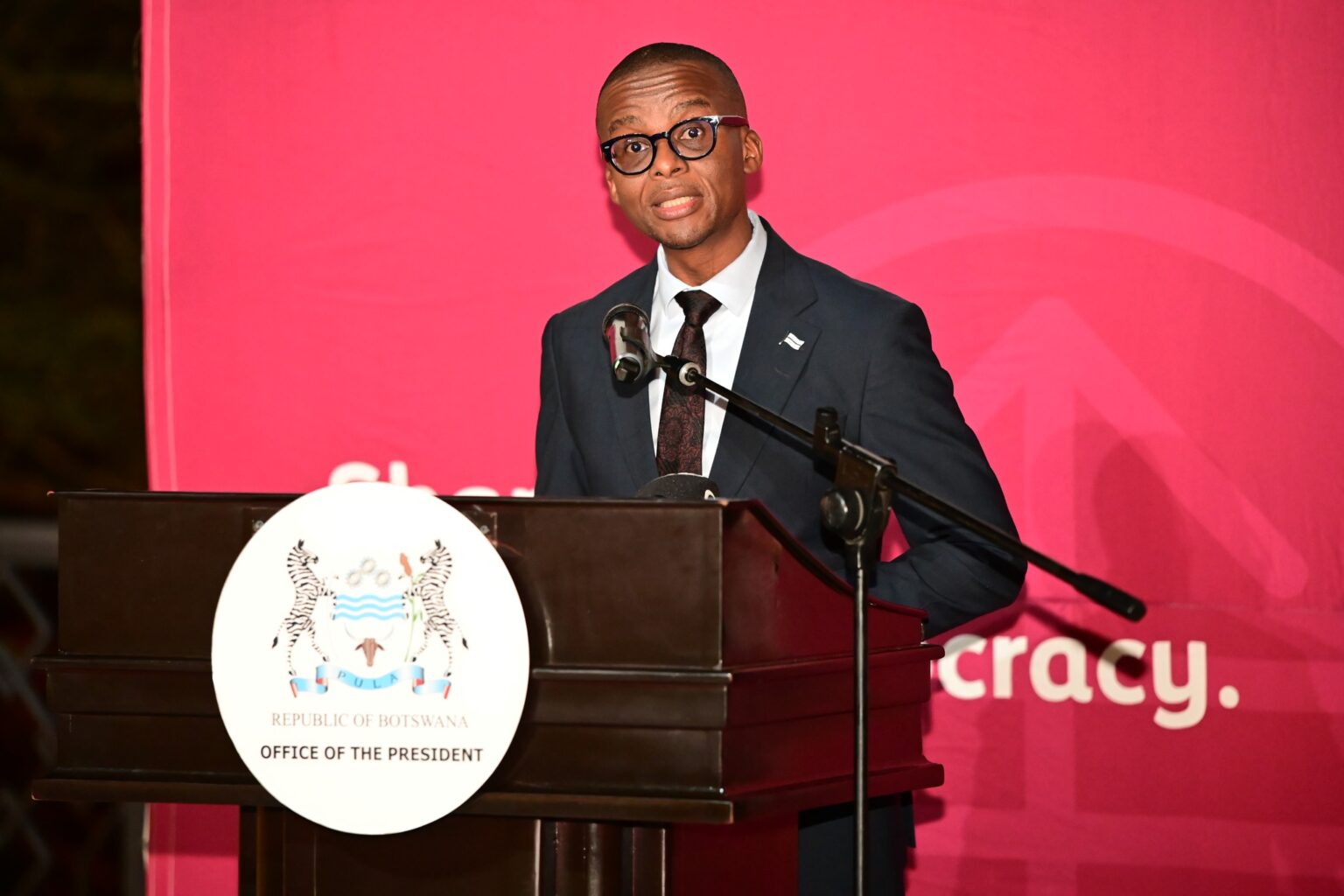
Botswana has reaffirmed its unwavering commitment to democratic governance and international collaboration during the Friedrich Ebert Stiftung (FES) Annual Regional Planning Conference dinner held in Gaborone yesterday. The event gathered prominent policy experts, civil society leaders and advocates for democratic development to discuss strategies for strengthening governance and advancing social democracy across Africa. Vice President Ndaba Gaolathe, delivering the keynote address, underscored Botswana’s dedication to upholding democratic principles, constitutionalism and peaceful transitions of power. He emphasized that democracy must produce concrete benefits for citizens through accountable leadership, clear strategic planning and transparent governance structures. According to the Vice President, governments must ensure that political processes translate into improved social and economic outcomes for all citizens, reinforcing trust in democratic institutions.
During his address, Vice President Gaolathe highlighted the critical role of partnerships with organisations like FES in fostering inclusive dialogue and promoting evidence-based policy making. He stressed that collaboration between governments, civil society and international partners strengthens institutions and supports sustainable development. By encouraging open debate and consultation, such partnerships ensure that policies are informed by the needs of citizens and grounded in practical realities. The Vice President also noted that effective democratic governance requires continuous investment in institutional capacity, civic education and mechanisms that hold leaders accountable. Botswana’s approach seeks to demonstrate that democracy is not only about elections but also about delivering results that enhance the quality of life for the population.
The Vice President further called for enhanced multilateral cooperation to tackle pressing global challenges that affect Africa. He highlighted the need to address conflicts, climate shocks and economic instability through coordinated efforts between countries and international organisations. Strengthening regional and continental frameworks, he argued, is essential to ensuring peace, security and resilience in the face of complex threats. Botswana’s engagement reflects a proactive stance in promoting collaboration, sharing expertise and building partnerships that advance the continent’s stability and prosperity. By linking national development priorities with broader regional initiatives, the country aims to contribute to solutions that benefit both Botswana and its neighbours.
The FES Annual Regional Planning Conference provided a platform for participants to reflect on the future of social democracy and collaborative development in Africa. Attendees discussed strategies to enhance democratic institutions, improve governance practices and foster inclusive economic growth. The conference served as an opportunity to exchange experiences, highlight best practices and identify avenues for policy innovation. By bringing together diverse voices, the event reinforced the importance of dialogue and collective action in addressing the continent’s social, economic and political challenges. Botswana’s active participation demonstrated its leadership role in promoting accountable governance and cooperative approaches to development.
Botswana’s reaffirmation of its commitment to democracy and international collaboration signals a clear vision for the country and the region. Vice President Gaolathe’s remarks emphasized that effective governance requires transparency, accountability and partnerships that translate into tangible results for citizens. By engaging with organisations such as FES and supporting multilateral cooperation, Botswana is positioning itself as a champion of democratic principles and collaborative development in Africa. The country’s approach reflects a balance between national priorities and continental responsibilities, demonstrating that sustained progress depends on inclusive, evidence-based strategies. As Africa faces complex social, economic and environmental challenges, Botswana’s model highlights the importance of leadership, dialogue and cooperation in shaping a stable and prosperous future.