
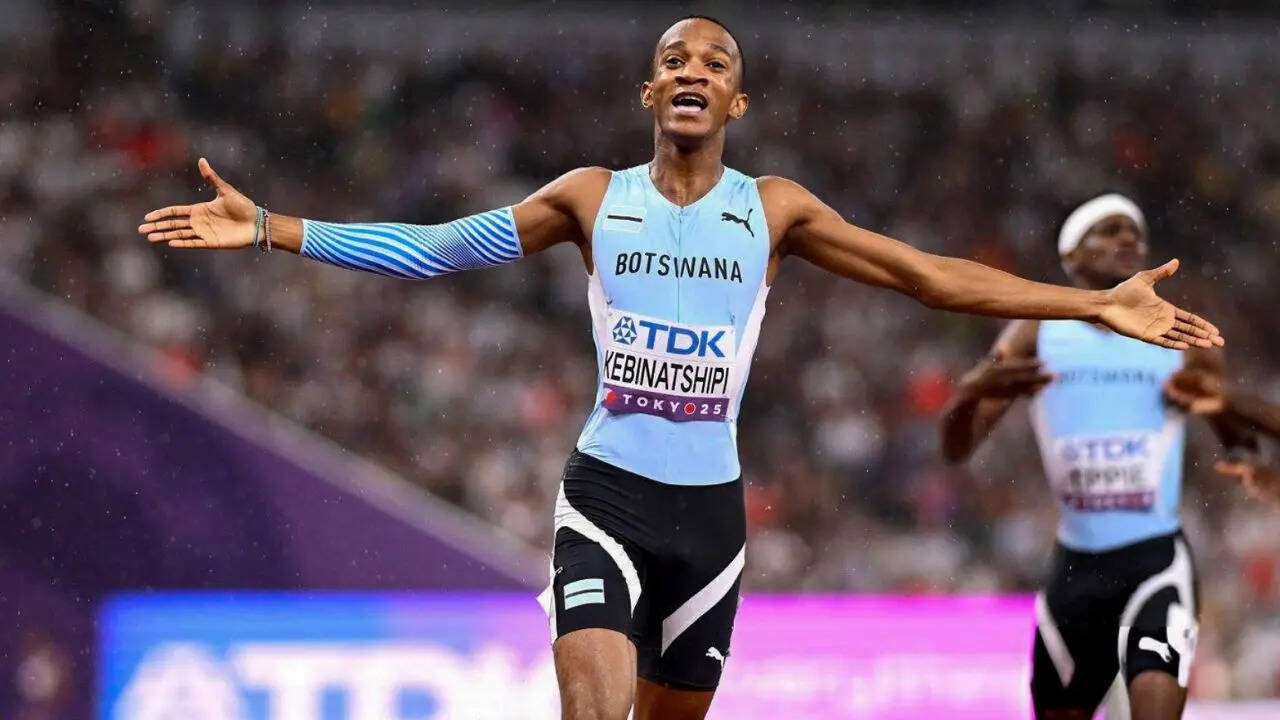
The training routine of elite athletes often attracts attention, especially when changes appear to suggest a shift in competitive focus. Recently, fans and observers noticed that world 400 meter champion Collen Kebinatshipi had been spending time sharpening his speed in the 100 meter dash. The development quickly sparked speculation among athletics followers who wondered whether the sprinter might be preparing to compete in shorter sprint races. Because Kebinatshipi has built his reputation in the 400 meter event, the move raised curiosity about his future plans. His coaching team has now addressed those questions and explained the real purpose behind the training sessions.
Clarification came from his head coach Chilume Ntshwarang, also known in athletics circles as Chippa. According to the coach, the 100 meter sessions are not intended to shift Kebinatshipi’s competitive focus away from the 400 meter race. Instead, the short sprint training forms part of a carefully designed preparation strategy. Ntshwarang explained that the shorter distance helps athletes refine explosive speed and improve acceleration. These elements play an important role in strengthening performance in longer sprint races such as the 400 meters. The coach emphasized that Kebinatshipi remains fully committed to excelling in his primary event.
Sprint training programs often incorporate shorter distances to develop key physical attributes. Running the 100 meters focuses heavily on reaction time, acceleration and top end speed. These skills allow athletes to build stronger starts and maintain powerful strides throughout their races. For a 400 meter runner, improving early acceleration can provide an advantage in the opening stages of the race. Strong speed development also allows athletes to maintain pace and efficiency during the demanding final stretch of the 400 meters.
The 400 meter race is widely regarded as one of the most physically demanding sprint events in track and field. Athletes must combine raw speed with endurance and tactical awareness to succeed. The event requires careful pacing because competitors must maintain high intensity over a full lap of the track. Training methods therefore often include exercises that build both speed and stamina. Short sprint drills such as the 100 meter dash can play a critical role in developing the explosive power needed to compete at the highest level.
For Kebinatshipi, refining these speed elements supports his continued dominance in the 400 meter race. As the reigning world champion, expectations surrounding his performances remain high. Athletes at this level must constantly adapt their training methods to maintain a competitive edge. Coaches often introduce varied workouts to strengthen specific aspects of performance. The addition of 100 meter sessions helps sharpen the speed foundation that supports his longer sprint event.
Athletics fans frequently analyze training updates because they offer insight into an athlete’s preparation and possible future plans. In this case, the sight of Kebinatshipi practicing the 100 meter dash led to speculation that he might attempt to compete in that distance. However, Ntshwarang’s clarification shows that the training strategy remains focused on strengthening existing strengths rather than expanding into a new event. Such misunderstandings are common when training footage or practice sessions circulate among sports followers. The coach’s comments have helped refocus attention on the athlete’s primary competitive goals.
Botswana has produced several world class sprinters who have achieved success on the international stage. Athletes like Kebinatshipi continue to raise the country’s profile in global athletics competitions. Their achievements inspire younger athletes and contribute to the growth of track and field within the nation. Effective coaching and well structured training programs play a vital role in maintaining these successes. By refining speed, endurance and technique, athletes can continue competing against the world’s best.
Collen Kebinatshipi’s recent work in the 100 meter dash demonstrates how elite athletes constantly refine their performance through targeted training strategies. Although the sessions sparked speculation about a possible shift in events, his coaching team has confirmed that the focus remains firmly on the 400 meters. The short sprint exercises serve as a tool to improve acceleration and overall speed, both of which are essential components of a successful 400 meter race. As preparation continues, the training approach reflects the discipline required to maintain world class performance. With guidance from coach Chilume Ntshwarang, Kebinatshipi remains focused on strengthening the qualities that have made him one of the leading sprinters in the sport.