
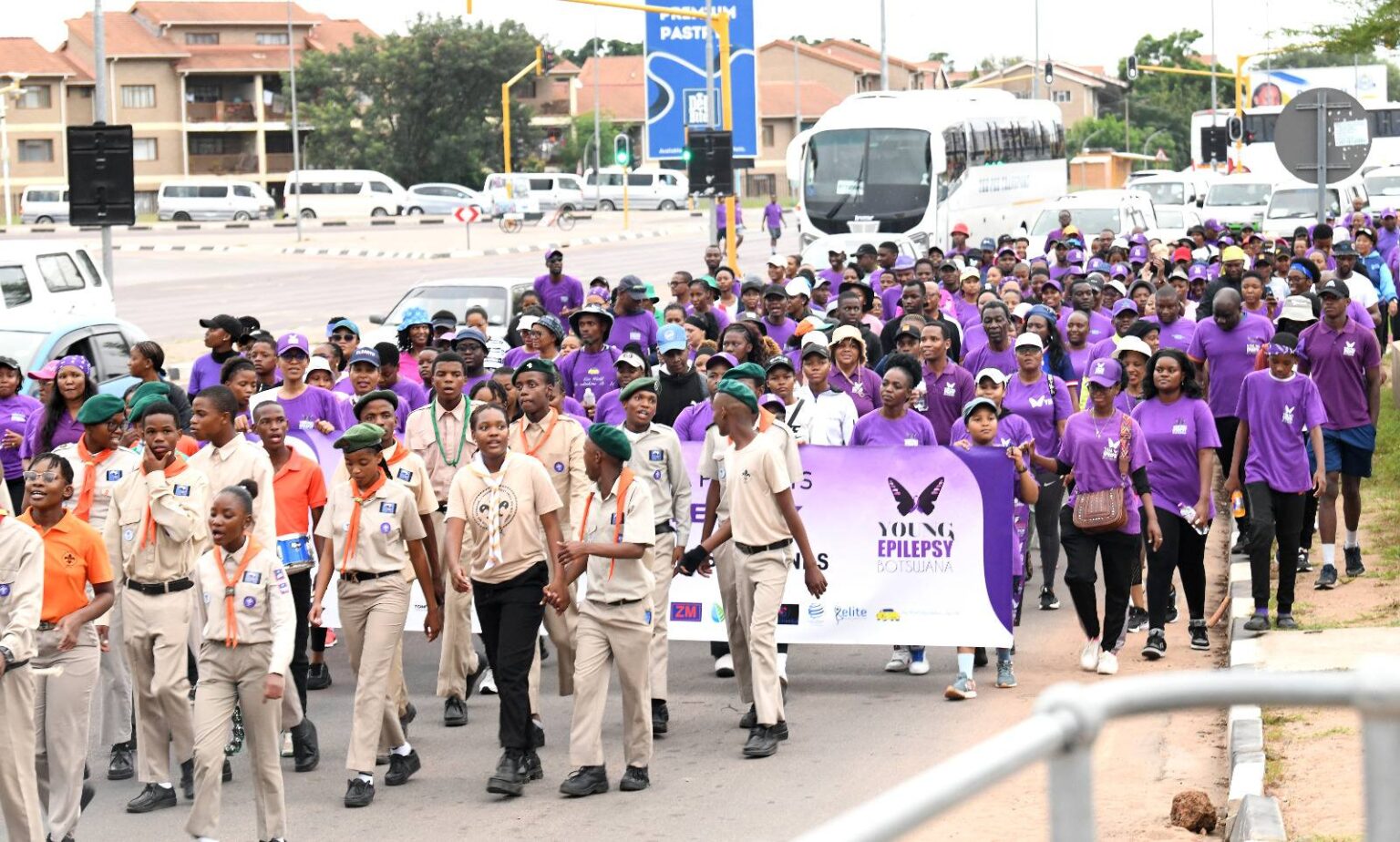
Epilepsy continues to affect millions of people worldwide, yet stigma and discrimination remain major challenges for those living with the condition, highlighted Minister of International Relations Dr Phenyo Butale during the Purple Day commemoration in Gaborone. The event aimed to raise awareness about epilepsy and encourage inclusivity for people living with neurological conditions. Dr Butale emphasized that many individuals with epilepsy face barriers in education, employment, and social participation due to limited understanding and awareness. The commemoration served as both a platform for advocacy and a reminder that proper support and community engagement are essential for improving the lives of those affected. By combining public education with visible solidarity, Purple Day reinforces the message that epilepsy should not limit anyone’s opportunities or rights.
Epilepsy is one of the most common neurological conditions globally, affecting an estimated 50 million people, with nearly 80 percent living in low- and middle-income countries. In Botswana, it is believed that between five and ten percent of the population in each district may be living with the condition, representing thousands of children, young people, and adults. Dr Butale noted that with appropriate medical care, support, and understanding from their communities, many people with epilepsy are capable of leading full, productive lives. He stressed that overcoming stigma is crucial, as negative perceptions often prevent affected individuals from accessing education, employment, and healthcare services. Raising awareness ensures that society recognizes the potential of every individual regardless of their medical condition.
Purple Day, commemorated annually on March 26, was founded in 2008 by Cassidy Megan to provide support and assurance to people living with epilepsy that they are not alone. In Botswana, the day is marked through the Purple Walk, an initiative that has grown into a key platform for education, advocacy, and solidarity. The walk engages community members, schools, healthcare professionals, and civil society to demonstrate collective support for people with epilepsy. Dr Butale highlighted that such initiatives send a strong message that individuals living with epilepsy deserve respect, equal opportunities, and full participation in society. The visibility of the event helps challenge misconceptions and encourages inclusive policies and practices across communities.
The government of Botswana has reinforced its commitment to strengthening health systems, promoting awareness, and supporting initiatives aimed at improving the quality of life for people living with epilepsy and other neurological conditions. Dr Butale emphasized that success requires collaboration between government agencies, healthcare professionals, civil society organizations, and the broader community. Programs targeting education, access to treatment, and community support structures are critical for ensuring that people with epilepsy receive the care and understanding they need. Public engagement and consistent advocacy are necessary to reduce stigma and create environments where affected individuals can thrive socially, academically, and professionally. The government continues to explore initiatives that provide sustainable support while fostering an inclusive and informed society.
The Purple Day 2026 commemoration in Botswana underscores the importance of awareness, advocacy, and solidarity for people living with epilepsy. By promoting understanding and challenging stigma, the event empowers communities to support affected individuals and integrate them fully into social and economic life. Minister Butale’s address reinforced the need for ongoing collaboration across sectors to enhance healthcare provision and community engagement. With continued public education, visible advocacy, and targeted health interventions, Botswana is taking steps toward ensuring that people with epilepsy can live full, dignified, and productive lives. Purple Day serves as a reminder that knowledge, empathy, and collective action are essential for breaking barriers and achieving equality for all.