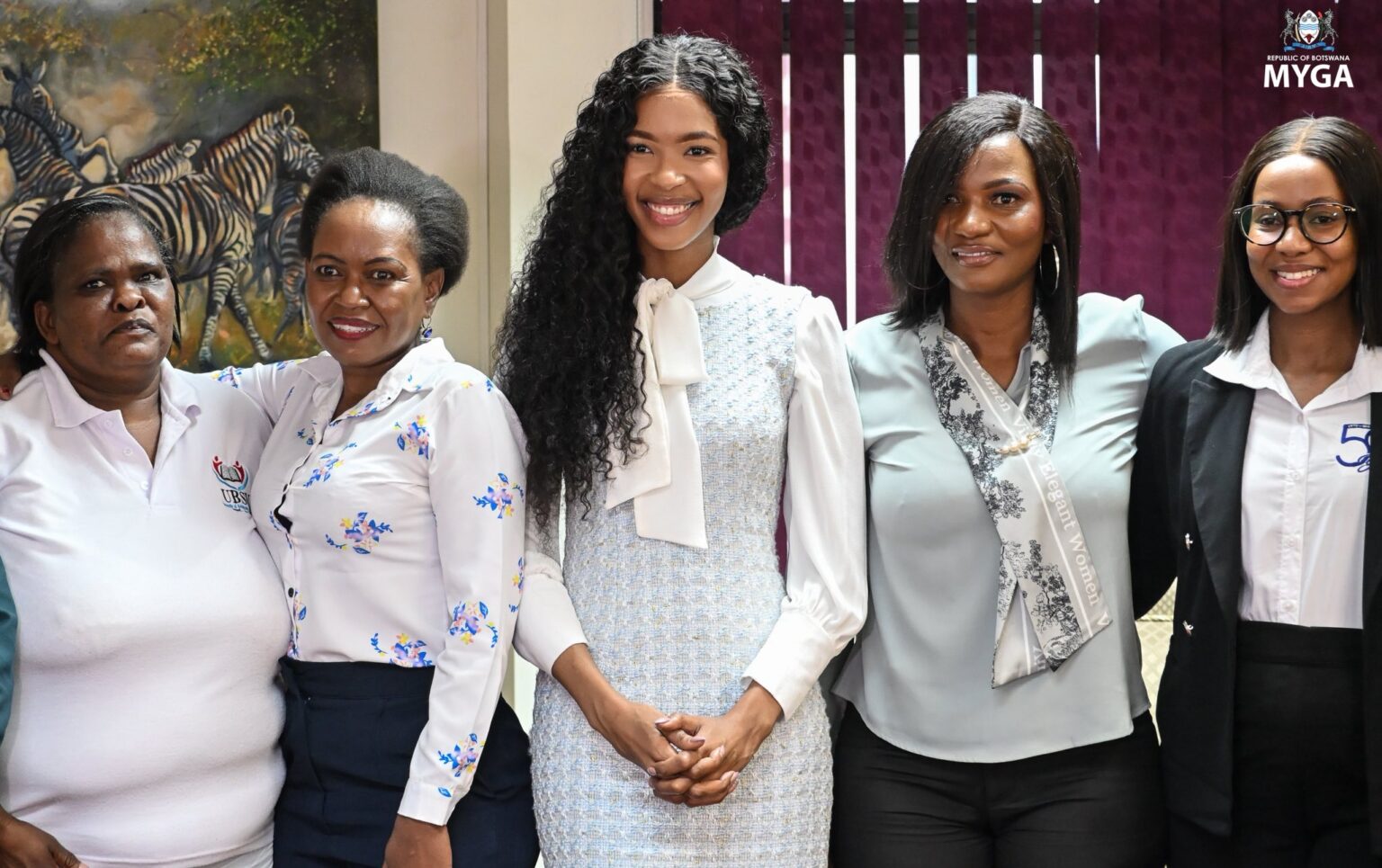
Minister of Youth and Gender Affairs, Hon. Lesego Chombo, has reaffirmed her ministry’s dedication to promoting gender equality, youth empowerment, and the elimination of gender-based violence during a courtesy visit with the Botswana Federation of Trade Unions (BFTU). Speaking at the meeting, Hon. Chombo emphasized the need to expand economic opportunities for women, including access to finance and support for women-led enterprises. She noted that despite progress, structural barriers continue to limit women’s full participation in the economy, and targeted interventions remain necessary to address these challenges. The minister highlighted ongoing initiatives designed to equip women with resources, mentorship, and networks that can help them thrive in business and professional environments. Her remarks underscored a commitment to creating an inclusive economy where women can contribute fully to national growth.
Hon. Chombo also focused on youth-centered initiatives, stressing the importance of job creation, skills development, and the establishment of youth centres across the country. These centres aim to empower young people, particularly those classified as not in employment, education, or training (NEET), to engage actively in economic and social development. She emphasized that equipping youth with skills and opportunities is essential for fostering self-reliance and addressing unemployment challenges. The minister noted that youth participation in governance and economic activities is critical for sustainable national development. By investing in young people, the ministry seeks to nurture a generation that is capable, confident, and ready to drive Botswana’s future growth.
During the discussion, BFTU Gender Secretary General, Ms. Morwaeng, raised concerns about mental wellness in the workplace, highlighting it as a pressing but often overlooked issue affecting both men and women. She pointed out that workplace stress and poor mental health can exacerbate gender-based violence, calling for confidential reporting systems, specialized workplace units, and greater representation of women in leadership positions. Ms. Morwaeng stressed that mental health interventions must be integrated into workplace policies to protect employees and create safer, more equitable working environments. She further emphasized that addressing these issues requires collaboration between government, unions, and private sector stakeholders. Her observations highlighted the link between employee well-being and broader social and economic outcomes.
Responding to these concerns, Acting Permanent Secretary, Ms. Thapelo Phuthego, outlined measures the government is taking to strengthen GBV response systems, including specialized police units and targeted community interventions. She emphasized that the government is advancing policies and partnerships to address mental health challenges in workplaces while ensuring that women and youth are adequately represented in governance structures. Ms. Phuthego highlighted ongoing policy reforms and legislative initiatives aimed at improving coordination across sectors, enhancing protection for vulnerable groups, and promoting inclusive leadership. These measures are designed to create an integrated framework that combines prevention, protection, and empowerment. The government’s approach demonstrates a clear commitment to tackling both systemic barriers and immediate social challenges.
The meeting between Hon. Chombo and the BFTU reinforced Botswana’s focus on gender equality, youth empowerment, and mental wellness in workplaces. By expanding economic opportunities for women, investing in youth development, and addressing mental health and GBV, the government aims to create an inclusive and resilient society. The initiatives discussed emphasize measurable impact, including enhanced representation, improved access to resources, and safer working environments. Ongoing reforms and partnerships are expected to strengthen coordination across sectors, ensuring that policies translate into tangible benefits for women, youth, and the broader population. Through these efforts, Botswana is positioning itself to achieve sustainable development that promotes equality, empowerment, and social well-being.