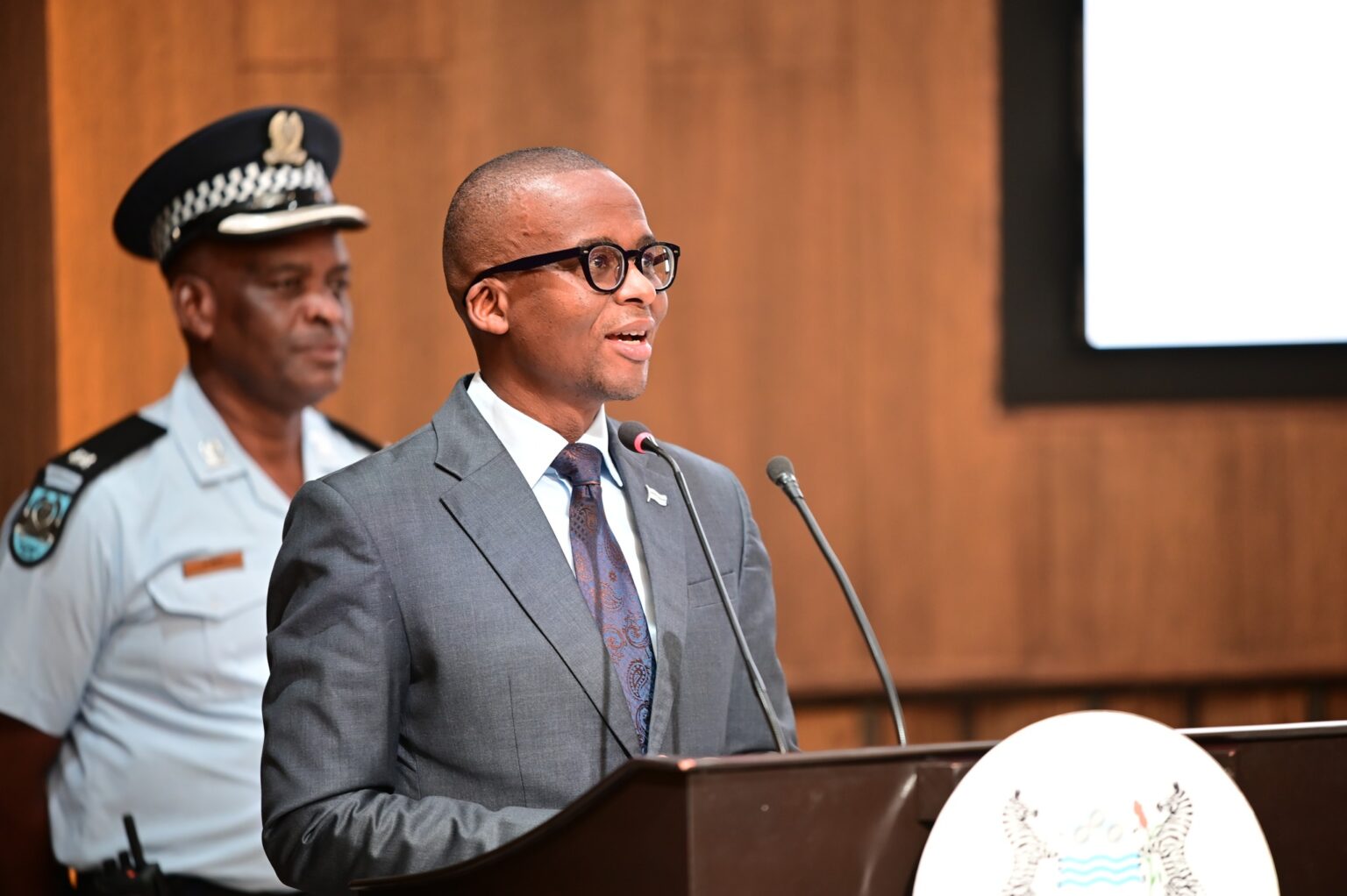
Botswana has officially launched the Sustainable Livelihoods Approach (SLA) as a central reform under the Botswana Economic Transformation Programme (BETP), signalling a strategic shift from welfare dependency to wealth creation. Speaking at a national dialogue in Gaborone, Vice President and Minister of Finance Ndaba Gaolathe highlighted the need to empower citizens to achieve economic self-reliance rather than merely providing temporary assistance. The SLA, originally developed in 2011 but largely underutilised, has now been revitalised to serve as a nationwide framework for transforming social support into sustainable economic participation. This initiative represents a move from fragmented social programmes to an integrated system that equips households with skills, access to productive assets, market connections, and mentorship opportunities, creating pathways to lasting livelihoods. It reflects the government’s commitment to structural reforms that prioritise economic inclusion and resilience over short-term relief.
The SLA integrates multiple interventions to ensure that support extends beyond basic protection. Skills development is a cornerstone, providing training that aligns with market demand and equips individuals for sustainable employment or enterprise creation. Access to productive assets, such as tools, equipment, and capital, ensures households can leverage their skills effectively. Market linkages connect beneficiaries with opportunities for trade, employment, and business growth, while mentorship programmes guide them through practical challenges and decision-making. By combining these elements, the SLA creates an ecosystem where households move from dependence on social grants to generating consistent income streams. This approach also addresses systemic inefficiencies by unifying previously fragmented programmes under one coordinated framework, improving both coverage and effectiveness.
Implementation is already underway in several key districts, including Gaborone, Francistown, Kgatleng, Tsabong, and Serowe, with plans to expand across the country. A whole-of-government approach ensures alignment between ministries and agencies, enhancing coordination and accountability. Strengthened systems, such as the Social Registry, improve targeting by identifying households most in need and tracking progress over time. The government emphasises that success will be measured not by the number of beneficiaries reached, but by tangible outcomes such as job creation, enterprise growth, and increased economic participation, particularly among youth and women. These measures reflect a focus on transforming lives through sustainable economic inclusion rather than short-term support.
Vice President Gaolathe captured the vision of the programme, stating, “Protection alone is not transformation. A nation does not rise when its people are carried; it rises when its people stand.” The SLA embodies this principle by equipping citizens with the tools and opportunities to participate fully in the economy. By replacing fragmented welfare programmes with coordinated pathways to self-reliance, Botswana aims to foster long-term wealth creation, economic resilience, and inclusive growth. The initiative positions the nation to achieve broader BETP objectives, including reducing inequality, empowering underrepresented groups, and stimulating entrepreneurship. With its focus on skills, assets, markets, and mentorship, the SLA sets a foundation for households to move from survival to prosperity, transforming Botswana’s social and economic landscape.
The Sustainable Livelihoods Approach represents a decisive step toward building a resilient and inclusive economy in Botswana. By shifting the focus from handouts to opportunity, the government is fostering an environment where citizens can achieve lasting economic participation. Early implementation in select districts provides a model for scaling up nationwide, ensuring that households across Botswana can access the resources, knowledge, and networks needed for sustainable livelihoods. The initiative prioritises measurable impact through employment, enterprise, and active engagement of youth and women, rather than mere numerical reach. As the SLA continues to expand, it promises to reshape Botswana’s social support system into a platform for wealth creation and economic transformation, aligning closely with the long-term vision of the Botswana Economic Transformation Programme.