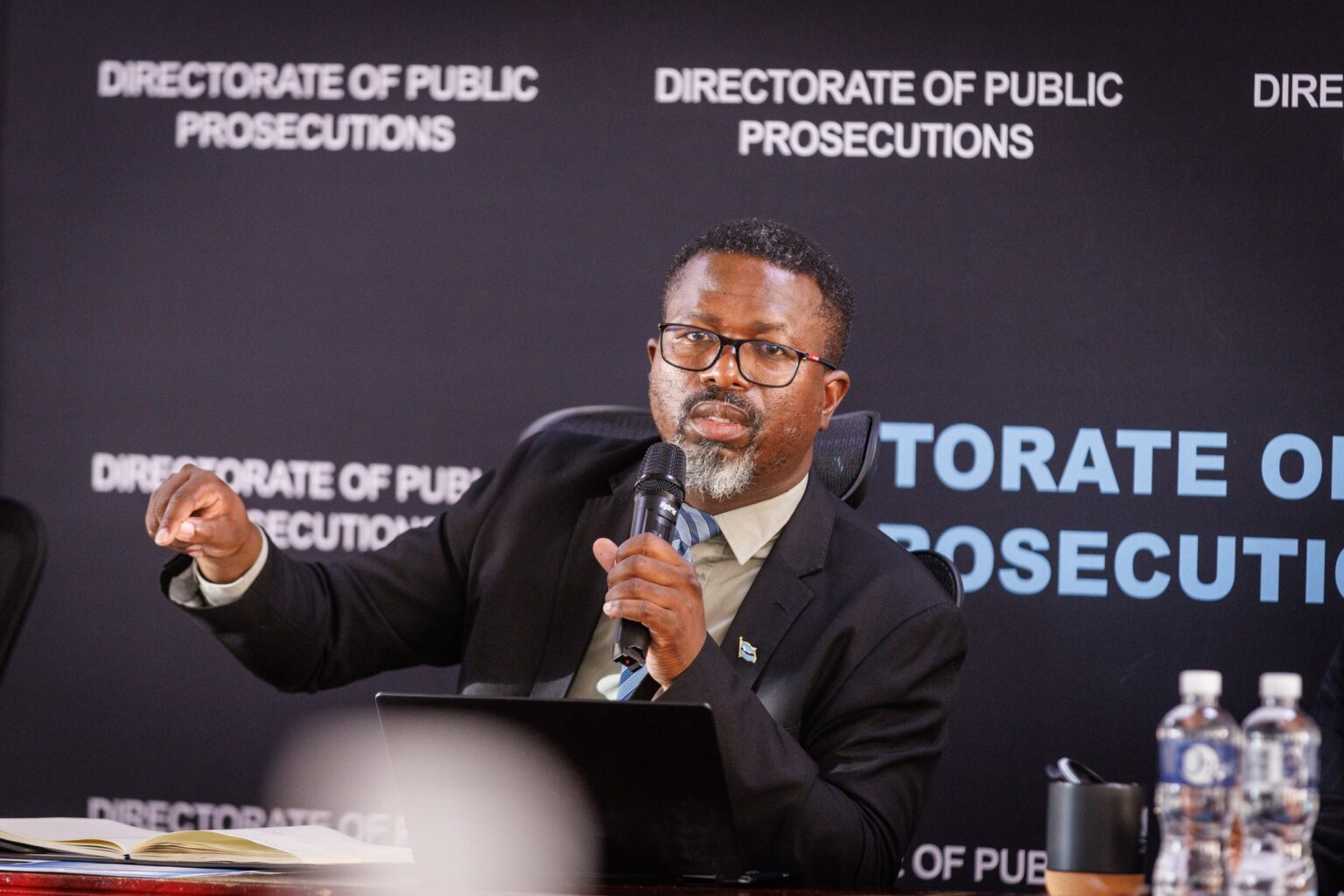
The Directorate of Public Prosecutions in Botswana has taken a clear step toward greater transparency and institutional reform following its first standalone media briefing in Gaborone. The briefing marked a shift in how the office engages with the public and the media, placing emphasis on accountability and openness in prosecutorial work. Director Kgosietsile Ngakaagae used the platform to restate the core mandate of the institution, which is to uphold justice without bias or interference. His message focused strongly on prosecutorial independence and the need to protect legal decisions from external influence. This development comes at a time when public trust in justice systems is increasingly tied to how openly institutions communicate their work.
A central theme of the briefing was the commitment to handling all cases fairly, regardless of the status of those involved. Ngakaagae stressed that high-profile individuals will not receive special treatment and that every case will be assessed strictly on evidence. He stated that no charges will be brought based on suspicion alone, reinforcing the principle that the rule of law must guide every prosecutorial decision. This approach aims to strengthen confidence in the justice system by ensuring consistency and fairness in legal processes. It also sends a message that accountability applies equally across society, including in cases involving powerful figures.
Despite these commitments, the Directorate continues to face operational challenges that affect its efficiency. The institution is dealing with a growing backlog of cases, which places pressure on its ability to deliver timely justice. With more than 200 prosecutors currently employed, the office also experiences an average of four resignations each month, which further strains capacity. These staffing issues create delays in case processing and increase workloads for remaining staff. To address this, Government has approved 17 additional prosecutorial posts aimed at strengthening the workforce and improving service delivery. This move is expected to ease pressure, although long-term stability will depend on retention and institutional support.
Gender-based violence remains a key area of focus for the Directorate of Public Prosecutions. The office has established a specialised sexual violence unit to handle such cases with greater sensitivity and expertise. However, the briefing highlighted a legal gap, as gender-based violence is not explicitly defined in the Penal Code. This creates challenges in prosecution and case categorisation, requiring careful legal interpretation and coordination. The Director called on the media to assist in public education efforts, particularly to reduce case withdrawals that often arise from social pressure or lack of awareness. Strengthening public understanding is seen as a critical part of improving outcomes in these cases.
The Directorate also reported significant progress in asset recovery linked to criminal activity. Government has successfully recovered more than P50 million in proceeds of crime, including approximately P17 million connected to the Ecoplexus matter. These recoveries demonstrate an increasing focus on targeting financial crime and ensuring that illicit gains are returned to the state. At the same time, the office warned the public to remain vigilant against fraudulent schemes that continue to circulate. This reflects a broader effort to not only prosecute crime but also prevent financial exploitation through awareness and enforcement.
The media briefing also highlighted the importance of collaboration between the justice system and the press. Deputy Director Kabo Leinaneng described the engagement as a significant milestone in institutional communication. He stated that the media is a partner in the dispensation of justice, emphasizing its role in informing the public and shaping understanding of legal processes. This perspective positions transparency as a shared responsibility rather than a one-sided effort. It also encourages more consistent communication between legal institutions and the public they serve.
The Directorate of Public Prosecutions has signaled a clear direction focused on independence, accountability, and reform. While challenges such as staffing shortages and case backlogs remain, the institution is actively pursuing structural improvements. Efforts to strengthen specialised units, recover criminal proceeds, and improve public engagement reflect a broader commitment to effective justice delivery. As these reforms take shape, the impact will depend on sustained support, adequate resources, and continued institutional discipline. The briefing ultimately reinforces a message of principled prosecution guided by evidence, fairness, and transparency.