Botswana continues to strengthen its commitment to gender inclusive peacebuilding as the Women, Peace and Security capacity building workshop moves into its second day. The ongoing sessions in Mahalapye are building on initial discussions by focusing on the current status of the Women, Peace and Security agenda in the country. Stakeholders from across government and civil society are engaging in detailed dialogue aimed at improving both understanding and implementation. The workshop is designed to move beyond theory and focus on practical steps that can shape national policy and institutional action. This phase of the programme reflects a shift toward assessing real progress and identifying areas that require urgent attention.
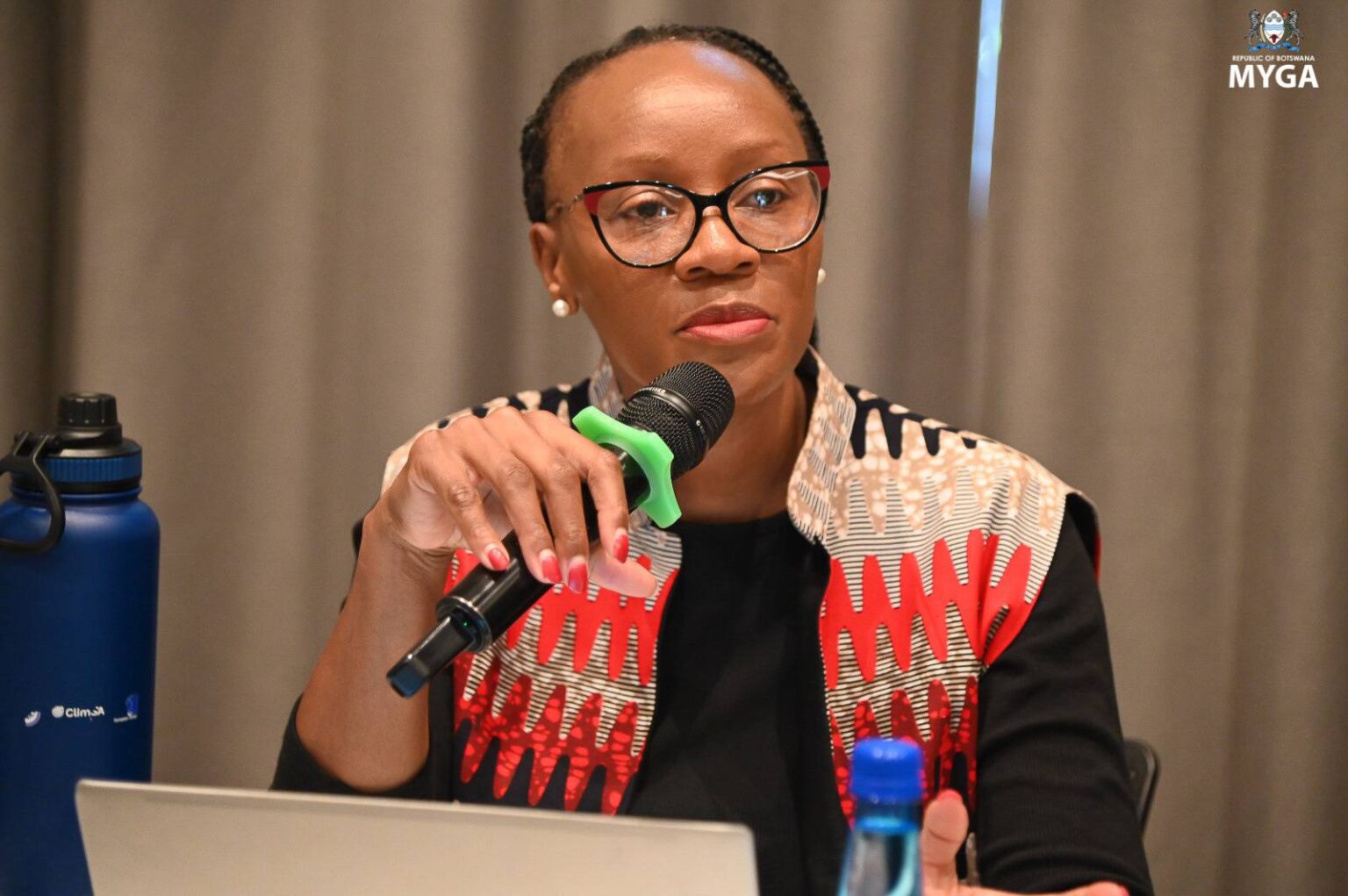
During the second day, participants engaged in interactive sessions that encouraged open reflection on the state of Women, Peace and Security implementation in Botswana. Attendees shared experiences from various sectors, highlighting both progress made and ongoing challenges. These discussions provided insight into how national and local initiatives are currently functioning and where they fall short. Participants pointed to achievements in awareness creation and stakeholder engagement as positive developments. At the same time, they acknowledged gaps in coordination, resources and policy alignment that limit the effectiveness of existing efforts.
A key outcome of the discussions was the identification of legal, policy and institutional gaps that must be addressed to ensure meaningful implementation of the agenda. Participants noted that while there is growing recognition of the importance of Women, Peace and Security, this has not always translated into strong legal frameworks. In some cases, policies exist but lack clear implementation strategies or sufficient funding. Institutional challenges also emerged, including limited capacity in certain departments and a lack of consistent coordination across sectors. Addressing these gaps is seen as essential for building a system that supports inclusive and sustainable peacebuilding. Without these improvements, progress may remain uneven and difficult to measure.
The workshop brought together a wide range of stakeholders, each playing a critical role in advancing the Women, Peace and Security agenda. Representatives from the Gender Affairs Department, Ministry of International Relations, Botswana Defence Force, Botswana Police, Botswana Prisons Service and Ministry of Health all contributed to the discussions. Civil society organisations, academic institutions, the Department of Immigration and development partners also participated actively. Each group outlined its role in domesticating and localising Women, Peace and Security commitments within Botswana. This multi stakeholder approach is essential for ensuring that the agenda is integrated across all sectors that influence peace and security.
The emphasis on localisation remains a central theme throughout the workshop. Participants are being encouraged to translate international and regional commitments into practical actions that reflect Botswana’s specific context. This includes adapting policies to local realities and ensuring that programmes reach communities effectively. The discussions also focused on building coordination mechanisms that allow different institutions to work together more efficiently. Strengthening these connections is expected to improve both policy implementation and service delivery. The goal is to create a system where Women, Peace and Security principles are embedded in everyday governance and institutional practice.
As the workshop progresses, attention is also being given to equipping participants with the skills and knowledge needed to contribute to the development of a National Action Plan on Women, Peace and Security. This plan will serve as a structured framework to guide implementation across the country. Participants are learning how to design, implement and monitor policies that support gender inclusive peacebuilding. The training includes practical tools that can be applied within their respective institutions. This ensures that the knowledge gained during the workshop leads to tangible outcomes rather than remaining theoretical.
The second day of the workshop highlights Botswana’s commitment to building a more inclusive and coordinated approach to peace and security. By creating space for honest reflection and collaborative problem solving, the initiative is laying the groundwork for stronger implementation. The identification of gaps and challenges provides a clear direction for future action. As stakeholders continue to engage and build capacity, the development of a National Action Plan moves closer to reality. This process positions Botswana to strengthen its approach to Women, Peace and Security and ensure that policies translate into meaningful impact across communities.