
The cheers at Lekidi Football Centre may have faded, but the true impact of the Re Ba Bona Ha U12 School Holiday Camp is only starting to show. What began as a week-long initiative has now positioned itself as a meaningful step toward shaping the future of football in Botswana. Young players who gathered from April 8 to 14 did more than train and compete, they built discipline, confidence, and a deeper understanding of the game. The energy seen on the field has now shifted into long-term inspiration that extends beyond the camp itself. This initiative reflects a clear commitment to nurturing talent from an early age while building a structured development pathway.
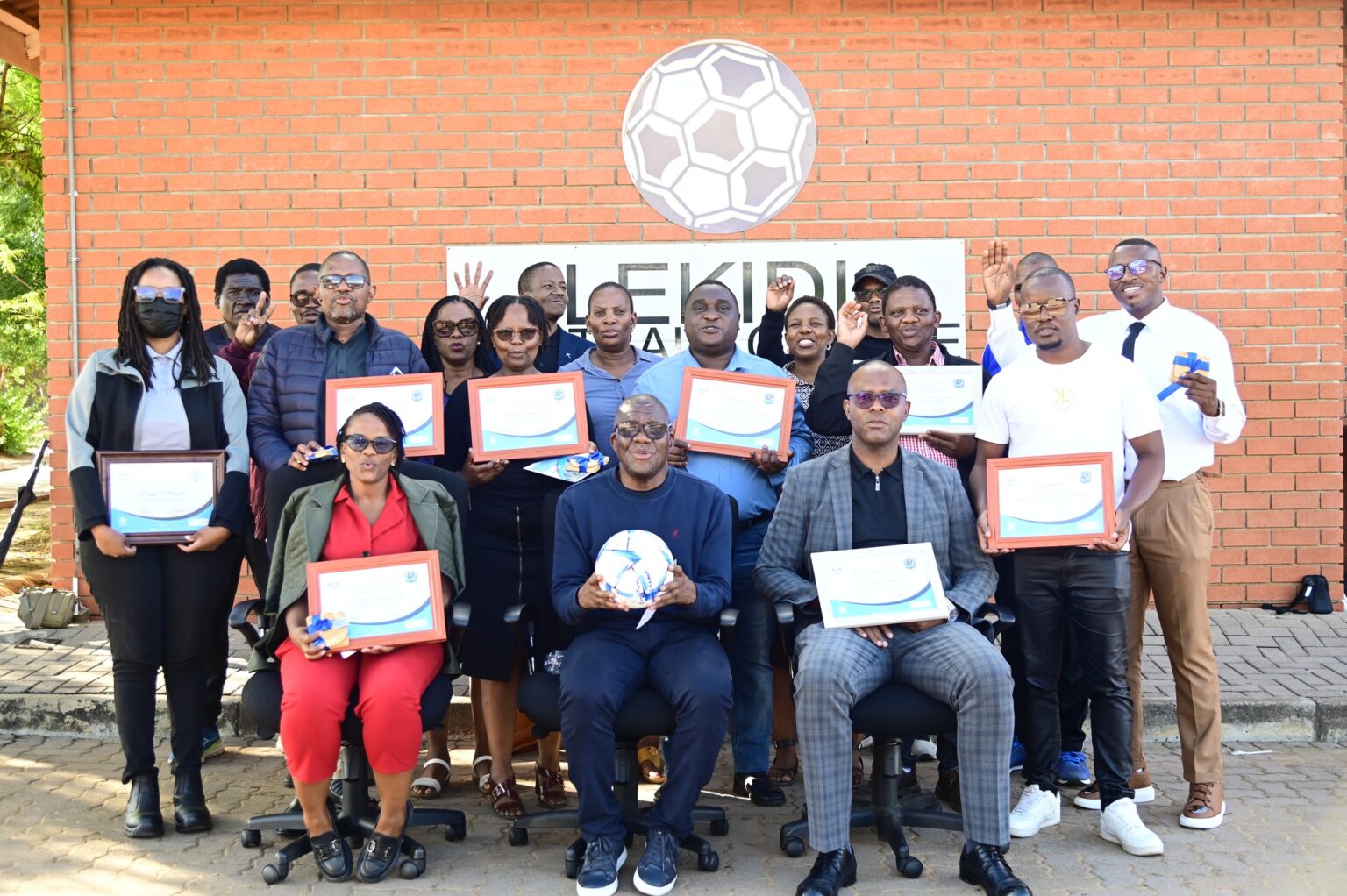
The Botswana Football Association took time to recognize the people who made the camp successful through a special appreciation ceremony. This event placed focus on stakeholders who contributed resources, time, and effort to ensure the program ran effectively. Organizers, coaches, sponsors, and families all played a direct role in delivering a well-coordinated experience for the young athletes. The ceremony reinforced the idea that football development is not a single effort but a shared responsibility. By acknowledging these contributions, the association strengthened relationships that are essential for future projects.
BFA Technical Director Mr. Kaelo Kaelo delivered a message that stood out for its clarity and purpose. He highlighted the role of parents as a key factor behind the success of the camp. Many families adjusted their schedules to ensure their children could attend and fully participate. This level of commitment shows that development does not start on the pitch alone, it begins at home with support and encouragement. When parents invest time and belief in their children, it creates a stable foundation for growth and performance. His remarks made it clear that football success is built on consistent support systems.
The camp itself focused on structured training, skill development, and exposure to professional standards. Young players engaged in drills designed to improve technical ability, decision-making, and teamwork. Coaches worked closely with participants to identify strengths and areas that need improvement. This hands-on approach ensures that players do not just enjoy the game but also understand what it takes to progress. Programs like this create early awareness of discipline, fitness, and tactical thinking, which are essential for long-term success in football.
This initiative is part of a broader vision that extends far beyond a single event. The Botswana Football Association has aligned this effort with its long-term strategy leading up to Vision 2036. The goal is to build a football ecosystem that produces skilled, competitive, and professional players who can perform at both local and international levels. Consistency in youth development programs will play a critical role in achieving this objective. By investing in grassroots initiatives, the association is creating a pipeline of talent that can sustain national teams in the future.
Sponsors and media partners were also recognized for their contribution to the success of the camp. Their involvement ensured visibility, funding, and overall support for the program. Without this backing, initiatives of this scale would struggle to reach their full potential. Media coverage helped amplify the impact of the camp, while sponsors provided the resources needed to maintain quality standards. This collaboration highlights how partnerships can drive development and create opportunities for young athletes.
The long-term benefits of the Re Ba Bona Ha U12 School Holiday Camp will become clearer over time. Players who participated now carry new skills, improved confidence, and a stronger sense of purpose. These outcomes will influence their performance in school teams, local clubs, and future national structures. The experience also sets a benchmark for how youth development programs should be structured and delivered. It shows that with proper planning and support, meaningful progress can be achieved within a short period.
The success of this camp sends a clear message about the direction of football in Botswana. It shows that the focus is shifting toward sustainable development rather than short-term results. The involvement of parents, stakeholders, sponsors, and media creates a unified effort that strengthens the entire system. Continued commitment from all parties will be necessary to maintain this momentum and expand similar initiatives across the country. The seeds planted during this camp are already shaping a future that aims to be competitive, professional, and globally relevant.