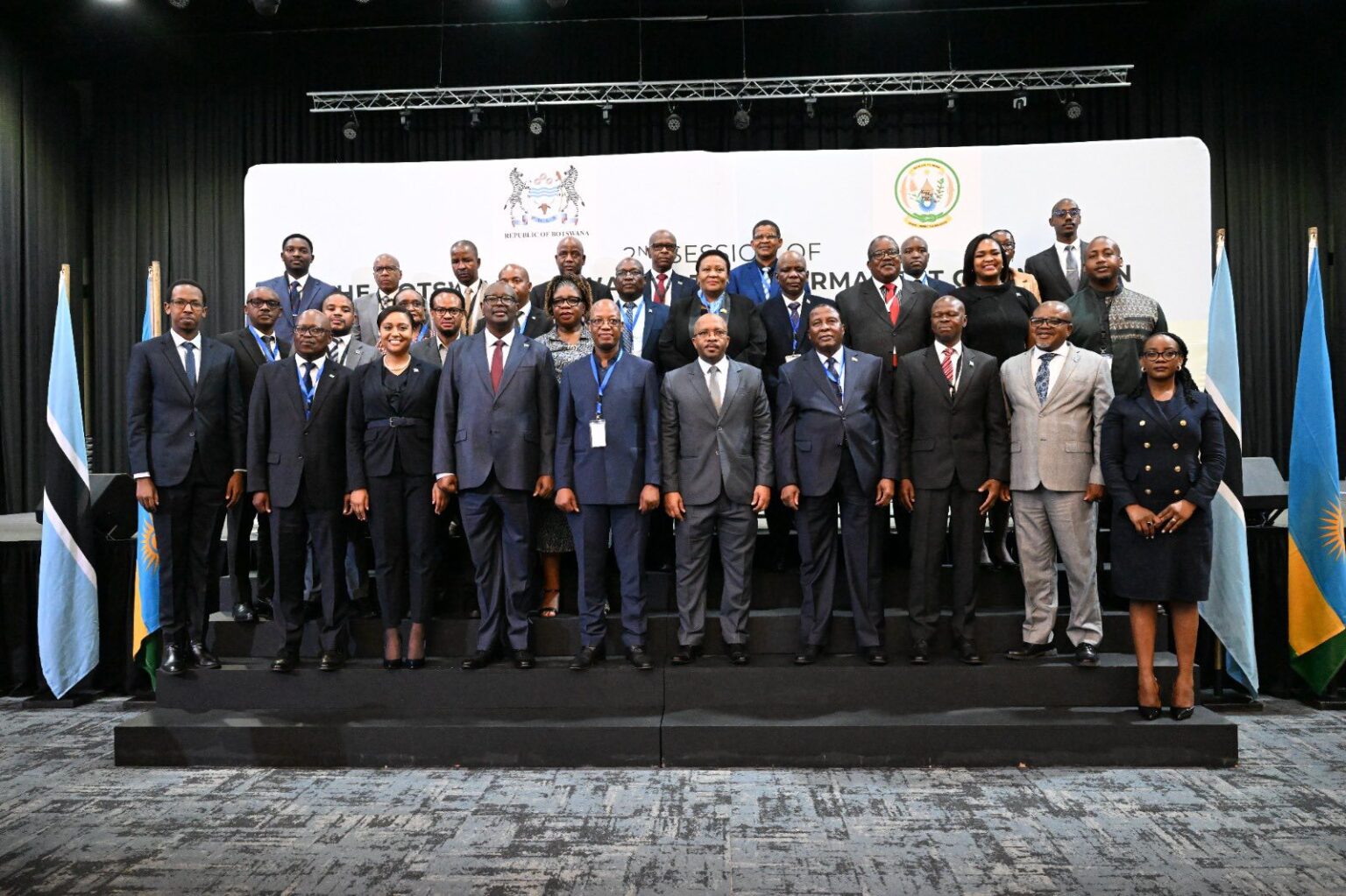
Botswana and Rwanda have taken a major step forward in strengthening their diplomatic and economic relationship through the Second Session of the Joint Permanent Commission on Cooperation. The high level meeting is taking place this week and brings together senior officials from both countries. It builds on the success of the first session held in Rwanda and follows the significant 2019 Presidential State Visit by Botswana’s President. That visit helped set the foundation for deeper cooperation across multiple sectors. The current engagement reflects strong political commitment from both sides to expand and strengthen bilateral ties. It also signals a shared intention to move from dialogue into practical implementation. The session is seen as an important platform for advancing long term cooperation between the two nations.
The meeting represents a key milestone in the growing relationship between Botswana and Rwanda. Both countries have consistently expressed interest in expanding cooperation in areas that support economic growth and regional integration. The Joint Permanent Commission on Cooperation provides a structured framework for achieving these goals in a coordinated way. During this second session, both delegations are focusing on strengthening existing agreements and identifying new areas of collaboration. The discussions are aimed at building on Memoranda of Understanding that were previously signed. These agreements continue to support progress in various sectors and demonstrate that earlier commitments are producing results. The current engagement is therefore not only symbolic but also practical in its focus on implementation and delivery.
Senior officials from Botswana and Rwanda are currently engaged in detailed discussions that cover several strategic areas. These include the drafting and finalisation of new Memoranda of Understanding that will expand cooperation between the two countries. Key topics under review include double taxation agreements, trade facilitation, agricultural development, and broader economic collaboration. The discussions also focus on the development of clear rules and regulations that will guide implementation of agreed initiatives. Both sides are working to ensure that each agreement is backed by practical action plans that can be executed effectively. The emphasis is on removing barriers to trade and investment while promoting sustainable development. These technical engagements are expected to create stronger institutional frameworks that will support long term cooperation.
A central feature of the discussions is the emphasis on accountability and measurable progress. Both Botswana and Rwanda have agreed to introduce a biannual review mechanism to track implementation of commitments made during the session. This system is designed to ensure that agreements do not remain on paper but are translated into real outcomes. In addition, a strict three month timeline has been established to finalise outstanding issues and deliver concrete results. This approach reflects a shared commitment to efficiency and results driven cooperation. The focus on time bound action plans also highlights the determination of both governments to accelerate progress. By introducing structured monitoring and evaluation, both countries aim to strengthen trust and ensure continuity in implementation.
The atmosphere of the session has also been marked by mutual appreciation and diplomatic goodwill. The Rwandan delegation expressed sincere gratitude for Botswana’s hospitality during the proceedings. This gesture reflects the warm relations that continue to characterise engagement between the two nations. The Senior Officials Meeting included a plenary ceremony that was moderated by Ambassador Tebogo Motshome of Botswana. Opening remarks were delivered by Ambassador Thuso Ramodimoosi representing Botswana and Ambassador Fidelis Mironko representing Rwanda. These statements reinforced the shared vision of deepening cooperation and achieving tangible outcomes from the partnership. The meeting also acknowledged progress made through previous agreements, many of which continue to yield positive results across different sectors.
The Second Session of the Joint Permanent Commission on Cooperation between Botswana and Rwanda demonstrates a strong and renewed commitment to advancing bilateral relations. The discussions reflect a clear shift toward practical implementation, accountability, and measurable outcomes. Both countries are focused on strengthening cooperation in key areas such as trade, agriculture, taxation, and regulatory frameworks. The introduction of structured timelines and review mechanisms shows a serious intent to ensure that agreements are fully implemented. The engagement also highlights the value of sustained diplomatic dialogue in building stronger regional partnerships. As Botswana and Rwanda continue to work closely together, their cooperation is positioned to deliver meaningful economic and developmental benefits for both nations and contribute to broader continental integration.