
Botswana has officially reinstated choral music competitions for all public and private schools, marking a major shift in how the education system supports creative development among learners. This decision comes at a time when schools are seeking stronger ways to engage students beyond the classroom and build skills that are not always captured in traditional exams. The announcement has been welcomed by students, parents, and teachers who see music as a powerful tool for growth and discipline. The reinstatement begins this academic year and forms part of a wider plan to strengthen arts education across the country. It also signals a renewed focus on balancing academic learning with cultural and creative expression in schools.
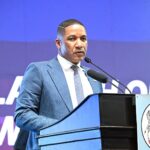
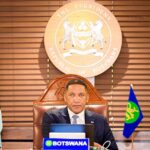
The official launch of the 2026 Botswana Schools National Music Eisteddfod took place at Northside Primary School, where education and arts leaders gathered to mark the beginning of this new chapter. The event brought together key government figures including the Minister of Sport and Arts, Hon. Jacob Kelebeng, and the Assistant Minister of Child Welfare and Basic Education, Honourable Justin Hunyepa. Their presence highlighted the importance the government places on creative education and youth development. The gathering also reflected a shared commitment to building school programs that develop confidence, discipline, and teamwork among learners. Schools across the country are now preparing to take part in a structured and revived national platform that celebrates choral excellence.
The government has positioned this initiative as a practical response to challenges facing learners, including school indiscipline and lack of constructive after school activities. By reintroducing choral music competitions, officials aim to keep students engaged in structured programs that build responsibility and focus. The initiative is also designed to help learners develop emotional intelligence, resilience, and collaboration skills through group performance. Many educators have pointed out that not all learners thrive in purely academic settings, which makes arts education an important equaliser. Through music, students are given space to express themselves while also learning discipline and coordination in a team environment.
The program will officially begin its rollout in August, supported by a newly established National Choral Music Technical Team chaired by Mr. Steven Bothasitse. This team will guide schools on standards, competition structure, and performance expectations to ensure consistency across regions. Preparations are already underway in many schools as music departments begin rehearsals and training sessions. Teachers are expected to play a central role in mentoring learners and building strong school choirs that can compete at a national level. The structure of the program is designed to ensure fairness, inclusivity, and high artistic standards across all participating schools.
This development marks a renewed investment in holistic education where creativity is given equal importance alongside academic achievement. It reinforces the idea that schools are not only places for exams but also spaces where talent can be discovered and nurtured. As the competitions return, they are expected to inspire pride, unity, and healthy competition among learners from different backgrounds. The long term impact is likely to be seen in improved student engagement and stronger school communities. Botswana’s decision to bring back choral music competitions reflects a forward looking approach to education that values both knowledge and creativity in shaping the next generation.