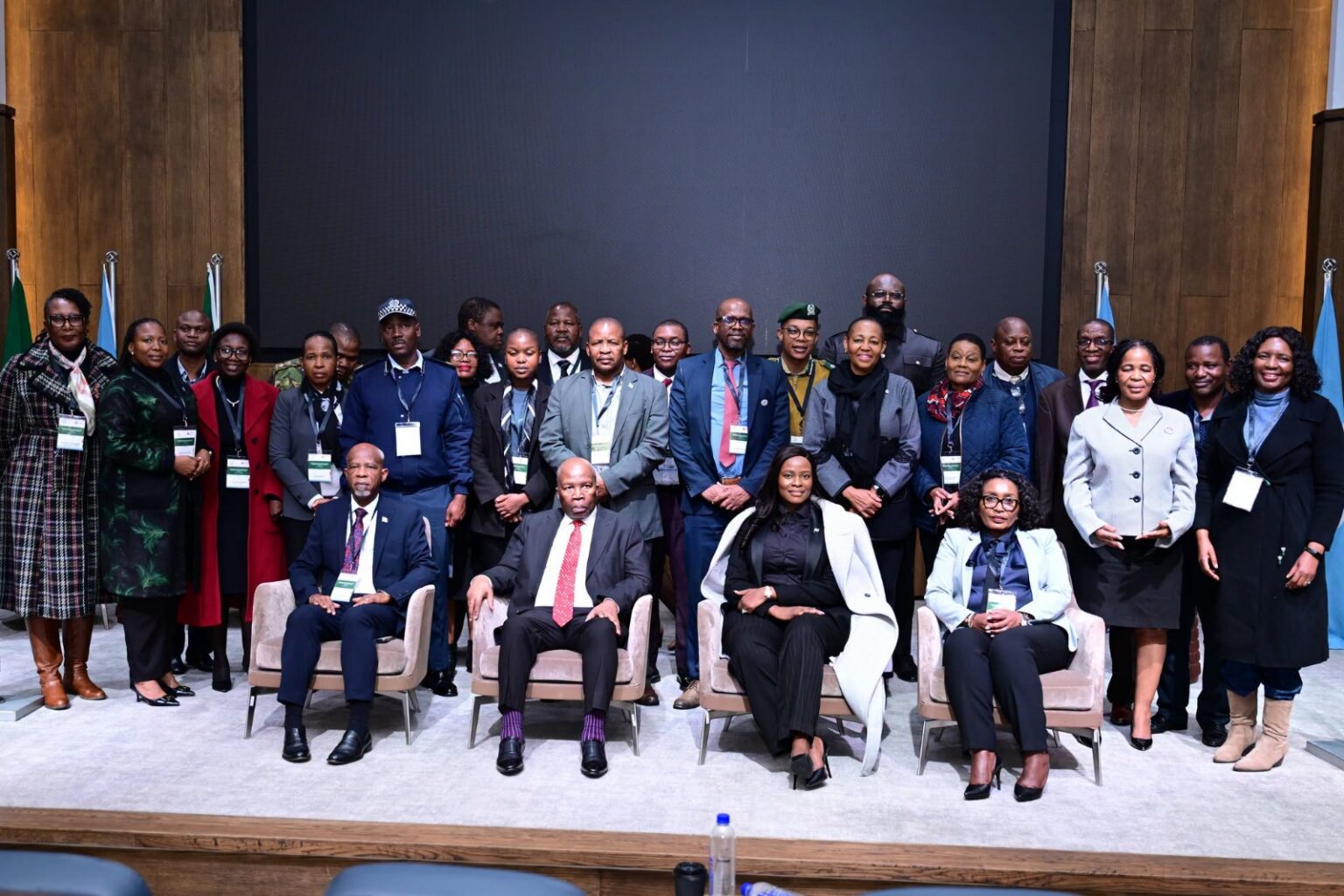
Botswana has concluded its African Peer Review Mechanism (APRM) Sensitisation Mission and Capacity Building Workshop held on 23 June 2026, marking a renewed national commitment to strengthening governance, accountability, and institutional performance. The engagement formed part of the African Union’s voluntary peer-review system designed to help member states improve governance standards through shared learning and evaluation. The workshop brought together a broad range of stakeholders, including government officials, civil society representatives, labour organisations, media practitioners, and academia. This diverse participation reflected a growing recognition that governance reform requires collaboration across all sectors of society. Discussions focused on improving transparency, reinforcing institutional credibility, and deepening democratic practices within national systems.
During the closing session, Assistant Minister Maipelo Mophuting-Dikoloti delivered remarks that underscored the importance of turning policy dialogue into practical reform. She emphasised that governance should not be viewed as an administrative burden but as a foundation for sustainable development, public trust, and institutional legitimacy. Her statement highlighted the need for government and stakeholders to move beyond discussion and focus on implementation that produces measurable outcomes. She also expressed appreciation to the APRM Continental Secretariat for its technical expertise and ongoing support, noting that its contribution strengthens both Botswana’s national governance agenda and the broader African governance framework. Her remarks reinforced the idea that peer learning remains a key driver of institutional improvement across the continent.
Stakeholders at the workshop were encouraged to take an active role in promoting accountability and strengthening oversight mechanisms within their respective sectors. The Assistant Minister commended the level of engagement demonstrated throughout the sessions, pointing to it as evidence of a shared commitment to governance reform. She called for institutions that operate with transparency and consistency, stressing that credibility in public administration depends on openness and responsibility. In her address, she stated that good governance is not an aspiration but an obligation, reinforcing the expectation that all actors must contribute to building stronger systems. This message resonated with participants who acknowledged the importance of sustained collaboration in achieving national development goals.
The conclusion of the workshop reaffirmed Botswana’s continued dedication to the African Peer Review Mechanism and its broader objectives of promoting democratic governance across Africa. It also highlighted the country’s intent to integrate the insights gained into ongoing institutional reforms and policy development processes. The event strengthened Botswana’s position as an active participant in continental governance initiatives that prioritise accountability and institutional excellence. By engaging a wide range of stakeholders and reinforcing commitments to reform, the workshop set a clear direction for future governance efforts. It reflected a shared understanding that effective governance remains central to long term stability, economic progress, and public confidence in institutions.