
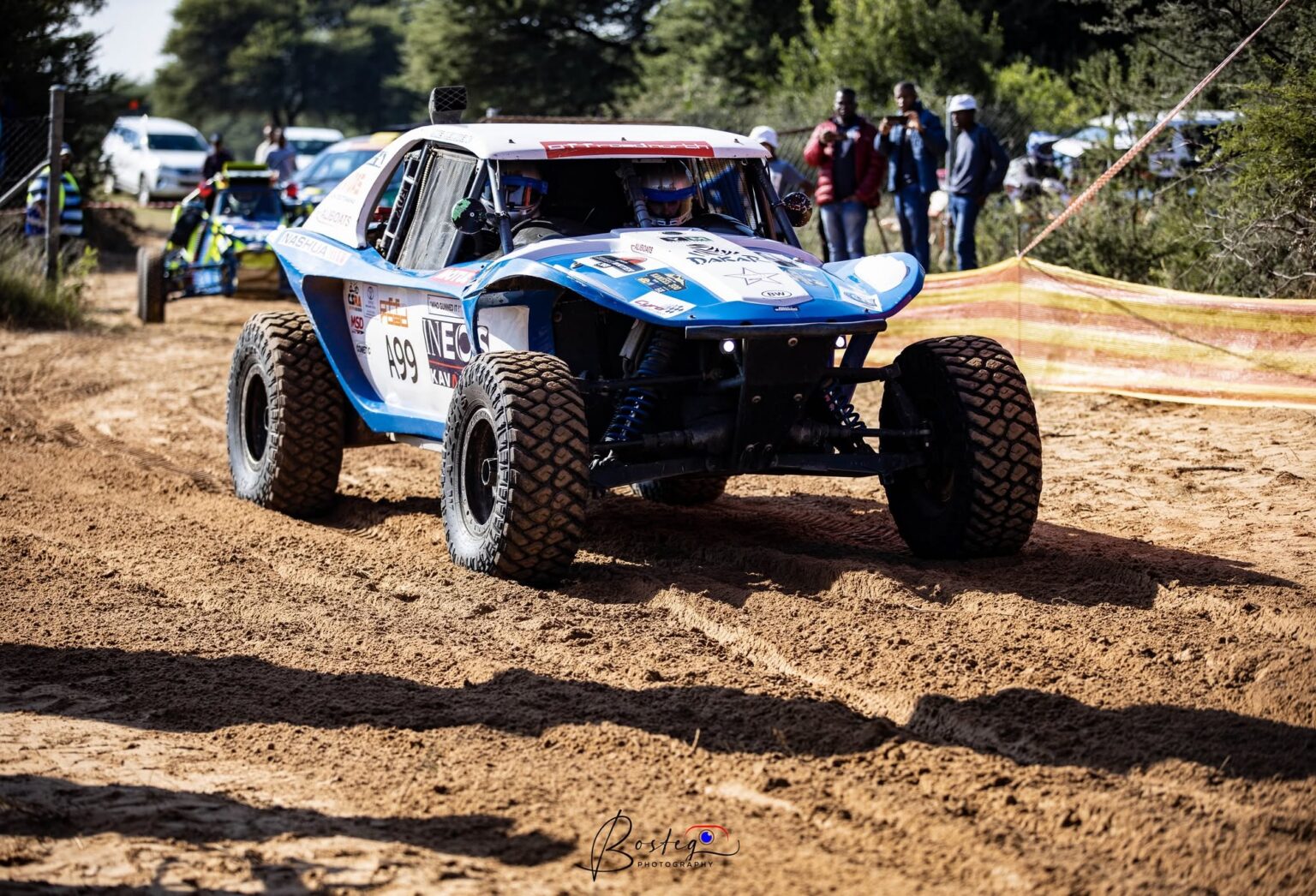
Preparations are still in the early stages, but anticipation is already building for the second edition of the Sarona 1000 Desert Race, one of Botswana’s fastest-growing motorsport events. The race is expected to deliver an experience that matches international off-road rally standards, drawing competitors and spectators from across the region. Scheduled for July 3 to 5, the event continues to gain attention as a major highlight on the local motorsport calendar. Organisers are working to refine logistics, safety measures and race coordination to ensure a smooth and competitive experience. The growing interest reflects how quickly the event has established itself as a serious platform for desert racing in Botswana. It also signals the country’s ambition to strengthen its presence in global motorsport culture.
The Sarona 1000 Desert Race carries forward the legacy of the well-known Kalahari 1000 Desert Race, also popularly called Mantshwabisi. This historic event was once a key fixture in southern Africa’s off-road racing scene before it was suspended by its South African founders. In response, Botswana motorsport stakeholders stepped in to preserve the tradition by creating a homegrown version of the race. The name Sarona, meaning “It is ours,” reflects this shift toward local ownership and national pride. The event is not only a sporting competition but also a cultural statement about Botswana’s ability to sustain and grow its own major motorsport platforms. It connects past traditions with a new era of locally driven innovation in racing.
Botswana Motorsport, operating under the Fédération Internationale de l’Automobile, has played a central role in developing and formalising the Sarona 1000 Desert Race. Vice president Tefo Dithapo has been instrumental in communicating the vision behind the event and ensuring continuity from the inaugural race held in Jwaneng. He noted that Jwaneng holds historical significance as the traditional home of the Mantshwabisi race, making it a symbolic starting point for the new edition. The 2025 inaugural race helped lay the foundation for what organisers hope will become a long-term motorsport institution. Lessons from the first edition are being used to improve organisation, safety standards and overall race execution. This structured approach is helping the event evolve into a more professional and internationally competitive competition.
The second edition is expected to attract around 30 racing cars and 30 motorbikes, creating a high-energy environment for motorsport fans. Competitors will test their endurance, speed and technical skills across challenging desert terrain that demands precision and resilience. The mix of cars and bikes ensures variety in competition and increases the spectacle for spectators. Gaborone and surrounding areas are expected to see increased activity as fans travel to witness the event. The race is also likely to boost local tourism and hospitality services during the three-day event period. Organisers aim to create an atmosphere that mirrors established international desert racing circuits.
Safety and race management remain key priorities as preparations continue. Organisers are focusing on improving route planning, emergency response systems and participant briefing processes. These measures are essential in off-road racing, where terrain conditions can change rapidly and pose significant risks. Coordination between officials, marshals and support teams is being strengthened to ensure smooth operations throughout the race. The FIA affiliation adds further credibility and ensures that global motorsport standards are followed. This commitment to safety and professionalism is expected to raise the profile of the event both locally and internationally.
The Sarona 1000 Desert Race also represents a broader effort to grow motorsport culture in Botswana. By developing a locally owned and organised event, stakeholders are creating opportunities for drivers, mechanics and support crews to build careers in the sport. It also encourages youth participation and interest in motorsport as a structured and regulated discipline. The race serves as a platform for skill development and regional competition exposure. Over time, it is expected to attract more international entrants and expand its influence beyond Botswana’s borders. This growth potential positions the event as a key contributor to the country’s sporting development strategy.
As excitement builds ahead of July 3 to 5, the Sarona 1000 Desert Race continues to gain momentum as a symbol of national pride and sporting ambition. The combination of heritage, local ownership and competitive racing makes it one of the most significant motorsport events in Botswana. With strong organisational support and increasing public interest, the event is on track to establish itself as a major fixture in the regional racing calendar. It reflects a broader vision of building sustainable, world-class sporting events driven by local expertise. The second edition is expected to strengthen that foundation and push Botswana further onto the global motorsport stage.