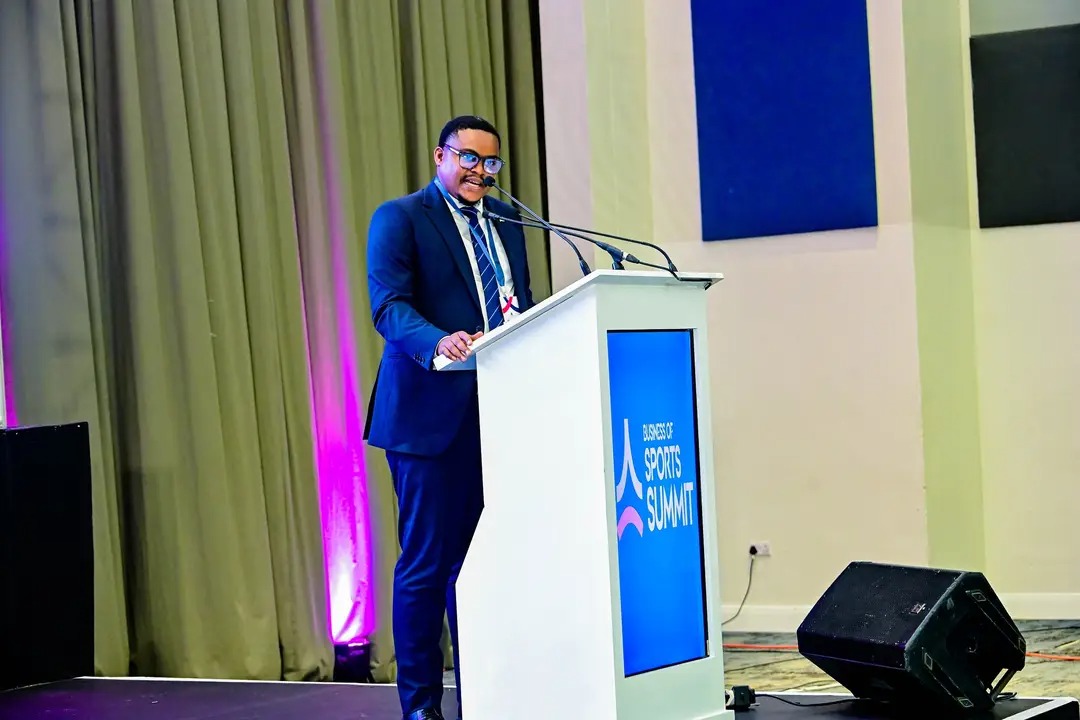
Botswana is taking significant steps to reposition sport as a powerful contributor to national economic development through the Botswana Economic Transformation Programme (BETP). Speaking at the ongoing Business of Sports Summit on Economic Transformation Through Sport, Minister of Sport and Arts, Honourable Jacob Kelebeng, outlined the government’s vision to transform the sports sector into a major economic asset. The initiative reflects a growing recognition that sport has the potential to create jobs, attract investment and stimulate innovation across multiple industries. While sport has traditionally been viewed primarily as a platform for competition and talent development, policymakers are now exploring its broader economic impact. This shift in thinking is expected to unlock new opportunities for athletes, entrepreneurs, businesses and communities throughout the country. The summit has provided an important platform for discussions on how sport can contribute more directly to Botswana’s long-term economic growth.
Addressing delegates at the summit, Honourable Kelebeng challenged sports leaders and policymakers to adopt a wider perspective when evaluating the role of sport in society. He noted that previous conversations have largely focused on participation rates, talent identification systems and competitive achievements. While these aspects remain important, he stressed that there is another equally significant discussion that must take place. According to the Minister, sport should also be viewed as a business sector capable of generating substantial economic value. This includes creating commercial opportunities, supporting entrepreneurship and developing industries linked to sporting activities. By embracing this broader outlook, Botswana can position itself to benefit from the growing global sports economy.
The government’s approach under the Botswana Economic Transformation Programme aims to place sport at the centre of national development efforts. Around the world, sport has evolved into a multi-billion-dollar industry that supports employment in areas such as event management, broadcasting, tourism, marketing, facility management and sports technology. Botswana hopes to tap into these opportunities by creating an environment where sport contributes meaningfully to economic diversification. The strategy aligns with broader national goals of reducing reliance on traditional economic sectors while encouraging innovation and investment. Developing a strong sports economy could also create pathways for young people seeking careers both on and off the field. This makes sport an increasingly important component of the country’s economic transformation agenda.
Deputy Permanent Secretary for Sport in the Ministry of Sport and Arts, Ms. Boineelo Hardy, expanded on the policy changes needed to support this vision. She highlighted the importance of integrated national policies that encourage collaboration between ministries responsible for sport, infrastructure and broader economic development. Such coordination is necessary to ensure that investments in sporting facilities, athlete development and business opportunities are aligned with national priorities. Ms. Hardy explained that fragmented approaches often limit the full potential of the sports sector. A more coordinated framework would allow government departments to work together toward common goals. This would help create a stronger foundation for sustainable growth within the industry.
Modernising sports infrastructure was identified as another critical priority. Ms. Hardy stressed that facilities must be upgraded to meet international standards if Botswana is to attract major sporting events and investment opportunities. High-quality venues not only benefit athletes but also create opportunities for tourism, hospitality and local businesses. International-standard facilities can increase Botswana’s ability to host regional and global competitions, bringing economic benefits to surrounding communities. Improved infrastructure also enhances athlete development by providing better training environments. These investments can generate long-term returns while raising the country’s profile on the international sporting stage.
The summit also highlighted the importance of strengthening grassroots and talent development programmes. Developing future athletes requires consistent investment in schools, community clubs and youth programmes. Ms. Hardy noted that nurturing talent from an early age helps build a sustainable pipeline of athletes who can compete at higher levels. Strong grassroots systems also encourage wider participation in sport, contributing to healthier communities and social cohesion. Beyond competitive success, these programmes can create employment opportunities for coaches, administrators and support staff. Investing in talent development therefore supports both sporting excellence and economic growth.
Creating an enabling environment for private sector investment was another key theme discussed during the summit. Businesses play a vital role in supporting sporting activities through sponsorship, infrastructure development and commercial partnerships. Policymakers believe that attracting greater investment into the sports sector can accelerate growth and create new opportunities for innovation. A thriving sports economy can encourage the development of related industries such as sports media, merchandising and event management. It can also inspire entrepreneurship among young people interested in building businesses connected to sport. This broader ecosystem has the potential to become an important contributor to Botswana’s economy.
The discussions at the Business of Sports Summit demonstrate a growing commitment to redefining the role of sport in Botswana’s development journey. Government leaders are increasingly viewing the sector as more than a source of entertainment or athletic achievement. Through strategic policy reforms, infrastructure investment and stronger partnerships, sport is being positioned as a catalyst for economic transformation. The anticipated benefits include job creation, stronger communities and greater international visibility for Botswana. As the country continues to pursue economic diversification, the sports sector is emerging as a valuable platform for growth and opportunity. The vision presented at the summit signals a future in which sport contributes not only to national pride but also to sustainable economic prosperity.