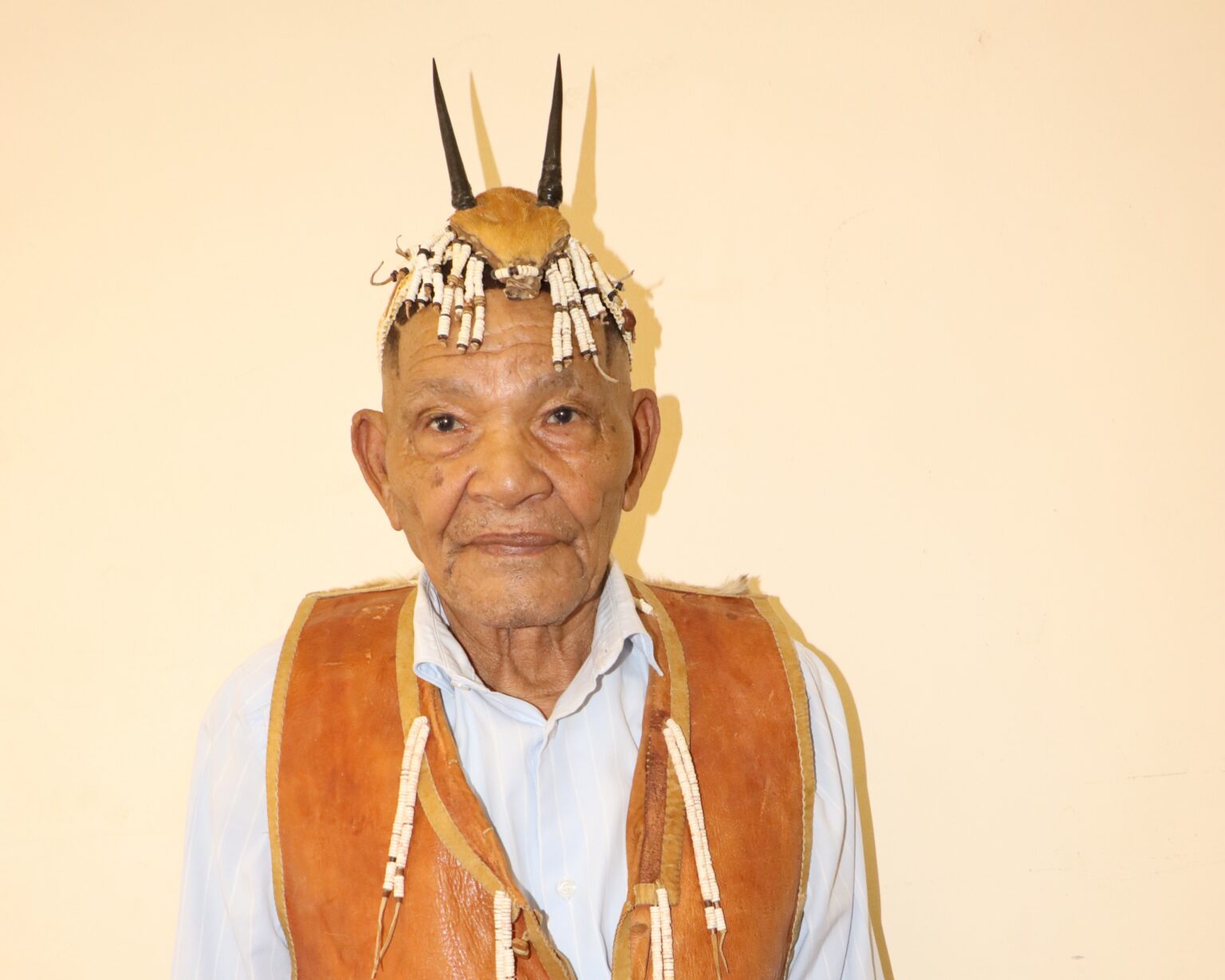
The University of Botswana (UB) is set to confer an honorary Doctor of Letters, honoris causa (DLitt), on internationally acclaimed San rights activist Roy Sesana in recognition of his lifelong commitment to defending the rights, cultural identity and dignity of one of Botswana’s historically marginalised communities. The honour recognises decades of advocacy for the San people, particularly their rights to land, cultural preservation and meaningful participation in decisions affecting their lives. Sesana’s work has drawn attention to the challenges faced by communities whose traditional ways of life are closely connected to ancestral territories and natural resources. His recognition by Botswana’s leading public university highlights the importance of human rights, social justice and cultural identity in the country’s development. It also places his lifelong contribution within the broader history of Botswana’s efforts to strengthen democratic values and protect the rights of all its citizens.
Sesana will receive the honorary degree during the University of Botswana’s 44th Graduation Ceremonies, scheduled to take place from 21 to 23 October 2026 at the UB Campus Indoor Sports Centre. The graduation ceremonies will bring together graduates, university officials, families and other guests to celebrate academic achievement and recognise contributions to society. The decision to honour Sesana adds a significant human rights dimension to the occasion. His selection acknowledges that contributions to knowledge, society and national development extend beyond formal academic qualifications. It also recognises the value of lived experience, community leadership and sustained efforts to improve the lives of people whose concerns have historically received limited attention.
The award carries particular significance as Botswana marks 60 years of independence in 2026. Since gaining independence in 1966, the country has developed its political institutions, expanded access to education and pursued economic and social development. However, questions surrounding the rights of indigenous communities, access to ancestral land and the preservation of traditional cultures remain important parts of the national conversation. Sesana’s lifelong activism reflects the challenges involved in balancing conservation policies, economic interests and the rights of communities that have occupied particular territories for generations. By recognising his work, the University of Botswana brings attention to the individuals whose determination and advocacy have helped shape the country’s democratic and human rights landscape.
Born in Molapo, a settlement within the Central Kalahari Game Reserve (CKGR), Sesana grew up in a setting closely connected to the land and traditions of his community. His background gave him a direct understanding of the relationship between cultural identity, traditional livelihoods and access to ancestral territory. For many San communities, land is not simply a physical space but an important part of their history, social relationships and cultural practices. Their traditional knowledge has also developed through generations of interaction with the natural environment. These connections have shaped the issues Sesana has championed throughout his life, particularly the need to protect the dignity and rights of San people while respecting their cultural heritage.
Before becoming widely known for his human rights advocacy, Sesana spent several years working in South African mines. His experience exposed him to employment away from his home community and the challenges associated with earning a living outside familiar surroundings. In 1971, he returned to Botswana to live among his community. His return marked an important stage in a life that would become closely associated with defending the interests of San people. Rather than distancing himself from the circumstances facing his community, he remained connected to the people and traditions that would later form the foundation of his activism.
After returning to Botswana, Sesana travelled with service providers operating within the Central Kalahari Game Reserve. He assisted with interpretation and helped facilitate communication between local communities and those delivering services. This work placed him in a position to understand the practical difficulties that could arise when service providers and community members did not share the same language or cultural background. Effective communication was essential for explaining services, conveying community concerns and helping both sides understand each other. These experiences also provided insight into the importance of ensuring that San communities could express their needs and participate in decisions affecting their daily lives.
Sesana’s subsequent activism brought greater attention to the rights of the San people, particularly communities associated with the Central Kalahari Game Reserve. His work became linked to concerns about displacement, access to traditional lands and the ability of indigenous communities to maintain their established ways of life. These issues involve complex questions about conservation, government policy, human rights and the responsibilities of public institutions. For affected communities, restrictions on access to ancestral territory can influence livelihoods, cultural practices and the transmission of traditional knowledge between generations. Sesana’s advocacy has helped ensure that these concerns remain part of wider discussions about development and the treatment of historically marginalised groups in Botswana.
The San people are among the indigenous communities of southern Africa, with diverse languages, cultural traditions and histories. They should not be understood as a single, uniform group because their experiences and circumstances differ across communities and geographical areas. Nevertheless, many San communities have faced historical marginalisation and challenges in securing recognition of their land rights, cultural practices and social needs. Changes in land use, economic pressures and restrictions affecting traditional livelihoods can place additional strain on community structures. Protecting San rights therefore requires more than acknowledging cultural heritage. It also involves meaningful participation in decisions, access to essential services and respect for the dignity and choices of community members.
The honorary Doctor of Letters degree is significant because it recognises contributions to society that extend beyond conventional academic achievements. Universities play an important role in preserving knowledge, encouraging critical thinking and promoting informed debate about issues that affect communities. By recognising individuals whose work has influenced public life, academic institutions can connect formal education with the experiences and struggles of people outside university settings. Sesana’s recognition demonstrates how sustained community advocacy can contribute to wider discussions about history, culture and justice. It also highlights the importance of learning from individuals whose knowledge comes from direct experience of the social and political challenges facing their communities.
For the University of Botswana, the decision to honour Sesana provides an opportunity to highlight the relationship between education, citizenship and social responsibility. Universities are not only centres for teaching and research but also institutions that can encourage reflection on national priorities and historical experiences. Recognition of a human rights activist can help students consider how public policies affect different communities and why inclusive development matters. It can also encourage greater appreciation of indigenous knowledge and the importance of preserving cultural diversity. Such recognition reinforces the idea that national progress should be measured not only through economic growth and institutional achievements but also through the treatment of people whose rights and interests have historically been overlooked.
Sesana’s story also offers an important perspective on the role of individual determination in advancing human rights. Sustained advocacy often requires patience, resilience and a willingness to raise difficult questions about established policies and practices. People who speak on behalf of marginalised communities may face considerable obstacles when seeking recognition for concerns that compete with wider political, economic or conservation priorities. Meaningful progress depends on listening to affected communities, examining evidence and creating opportunities for dialogue. Sesana’s decades of commitment to San rights demonstrate why community representation and respect for cultural identity remain essential elements of a fair and inclusive society.
As Botswana approaches the anniversary of six decades of independence, the recognition of Sesana invites reflection on the meaning of freedom, equality and national belonging. Independence represents an important milestone in the country’s history, but the work of building an inclusive society continues across generations. The protection of minority rights, the preservation of cultural heritage and the fair treatment of historically marginalised communities remain important measures of democratic progress. Acknowledging individuals who have dedicated their lives to these issues can help bring greater visibility to the challenges that still require public attention. It can also encourage future generations to understand that national development depends on ensuring that all communities have a meaningful place in the country’s future.
The University of Botswana’s decision to confer an honorary Doctor of Letters on Roy Sesana is therefore more than a ceremonial gesture. It recognises a lifetime devoted to defending the rights, cultural identity and dignity of San communities and acknowledges the importance of their experiences in Botswana’s national story. His recognition during the university’s 44th Graduation Ceremonies from 21 to 23 October 2026 will provide an opportunity to reflect on the connection between human rights, indigenous knowledge and inclusive development. As Botswana celebrates 60 years of independence, Sesana’s contribution serves as a reminder that progress must include respect for the rights and traditions of every community. His honorary degree will recognise not only his personal commitment but also the continuing importance of protecting cultural identity, promoting social justice and ensuring that historically marginalised people are heard.