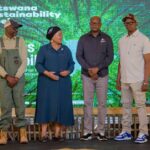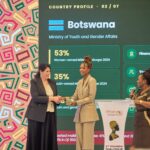

The 1st Africa Biodiversity Summit in Gaborone, Botswana, opened with a strong message of unity and action toward sustainable management of Africa’s natural resources. The event brought together policymakers, experts, and conservation stakeholders from across the continent to discuss practical strategies for advancing biodiversity protection, economic growth, and environmental resilience.
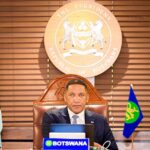
Speaking at the summit, the Permanent Secretary in the Ministry of Environment and Tourism, Mr. Boatametse Modukanele, said the gathering is a clear indication that Africa is taking concrete steps to secure its natural resources. He noted that the continent has demonstrated strong leadership at the global level, showing that Africa’s voice is both strong and united. Mr. Modukanele urged African nations to remain steadfast and align their continental efforts to ensure that Africa continues to speak with one voice in influencing global environmental affairs.
The first day of the summit focused on key thematic areas, including biodiversity for socio-economic development and governance, financing mechanisms for biodiversity, and transboundary conservation initiatives. The sessions provided a platform for knowledge exchange and policy dialogue aimed at strengthening Africa’s biodiversity agenda and ensuring that environmental protection aligns with economic development.
Under the theme of biodiversity for socio-economic development, participants emphasized that ecosystems are vital economic assets that support agriculture, tourism, and fisheries. Experts highlighted the need to integrate biodiversity into national development plans and to strengthen governance systems to curb habitat loss and resource degradation.
Leon Niskanen, Regional Head for Biodiversity Conservation at the International Union for Conservation of Nature (IUCN), addressed the issue of financing, describing the financial gap as a major barrier to transformative conservation approaches. He noted that Agenda 2063 envisions an Africa where biodiversity, wildlife, and ecosystems are preserved through regenerative pathways that balance conservation with community development. Niskanen called for inclusive policy frameworks that incorporate traditional knowledge and support community-led conservation efforts to ensure long-term sustainability.
The session on financing biodiversity explored ways to attract new investment and bridge funding gaps. Delegates discussed innovative funding models such as public-private partnerships, nature-based investment mechanisms, and green bonds. Strengthening Africa’s participation in global biodiversity financing initiatives was also identified as a priority to ensure equitable access to resources.
Transboundary conservation was another central theme, with participants emphasizing the importance of regional collaboration in managing shared ecosystems. Delegates highlighted the value of coordinated frameworks to address illegal wildlife trade, maintain ecological corridors, and foster regional stability through joint conservation initiatives.
The deliberations throughout the summit underscored that Africa’s biodiversity is central to its economic and social well-being. The exchange of ideas and best practices provided clear direction for countries to align their policies with sustainable development goals.
As the summit progresses, it continues to serve as a strategic platform to strengthen cooperation, mobilize financing, and ensure that Africa’s natural heritage is protected for future generations. The unified call for action reflects a continent determined to lead by example in global biodiversity conservation.