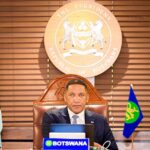

The One Health National Bridging Workshop held in Gaborone has concluded after several days of intensive discussions aimed at strengthening collaboration across human, animal and environmental health sectors. Assistant Minister of Local Government and Traditional Affairs Hon. Ignatious Moswaane expressed gratitude to participants for their active engagement and valuable contributions throughout the workshop. The gathering brought together experts and decision-makers to address shared health challenges that require coordinated responses across multiple disciplines. It highlighted the importance of breaking down sectoral barriers to improve national preparedness and response systems. The workshop also reinforced Botswana’s commitment to building a more resilient and integrated public health framework capable of responding to emerging threats.
The One Health approach discussed during the workshop is a collaborative strategy that recognizes the deep connection between human health, animal health and environmental conditions. This approach is increasingly important in a world where diseases can spread rapidly across species and borders. Participants emphasized that no single sector can effectively manage complex health threats without working closely with others. The discussions focused on identifying gaps in coordination, improving communication systems and strengthening institutional capacity across sectors. By fostering collaboration, Botswana aims to create a more unified and effective health system that can respond to both routine challenges and unexpected outbreaks.
Botswana continues to face recurring disease outbreaks and other public health threats that require coordinated national responses. Health officials noted that challenges such as emerging infectious diseases and environmental changes demand a more integrated approach to prevention and control. The One Health framework supports early prediction, timely prevention, rapid detection and effective management of health emergencies. It also plays a critical role in addressing antimicrobial resistance, which remains a growing global concern. These issues cannot be resolved by health, veterinary or environmental sectors working in isolation, making collaboration essential for long-term national security and public safety.
The workshop brought together a diverse group of participants including human health practitioners, animal health specialists and environmental experts from government institutions and partner organizations. International partners also played an important role in the discussions, including representatives from the World Health Organization, the Food and Agriculture Organization of the United Nations, and the World Organisation for Animal Health. Their involvement provided technical expertise and global perspectives on best practices in implementing the One Health approach. Participants shared experiences from different sectors and explored practical ways to improve coordination and resource sharing. The exchange of knowledge helped identify areas where Botswana can strengthen its health systems and improve cross-sector collaboration.
A major focus of the discussions was improving coordination mechanisms between sectors responsible for human, animal and environmental health. Participants examined existing systems and identified gaps that limit effective communication and rapid response during health emergencies. Strengthening surveillance systems was highlighted as a key priority to ensure early detection of potential outbreaks. The workshop also emphasized the importance of data sharing and joint planning to improve decision-making processes. By addressing these gaps, Botswana aims to build a more responsive and efficient system capable of managing complex health risks.
Hon. Ignatious Moswaane commended participants for their commitment to advancing the One Health agenda and for contributing practical solutions during the workshop. He noted that their expertise and collaboration are essential for strengthening Botswana’s preparedness against future health challenges. The Assistant Minister emphasized that government remains committed to supporting initiatives that promote integrated approaches to health and safety. He also acknowledged the importance of continued partnerships with international organizations and local experts in achieving national health goals. His remarks reflected the government’s recognition of the value of multi-sector collaboration in protecting public health.
The workshop also highlighted the growing importance of addressing environmental factors that influence disease transmission and public health outcomes. Participants discussed how climate change, land use patterns and biodiversity loss can increase the risk of disease outbreaks. Integrating environmental considerations into health planning was identified as a critical step toward improving resilience. The discussions encouraged stronger cooperation between environmental agencies and health institutions to ensure that policies are aligned and effective. This integrated approach is expected to support long-term sustainability and reduce the impact of future health threats.
The conclusion of the One Health National Bridging Workshop marks an important step forward in strengthening Botswana’s health systems through collaboration and shared responsibility. The commitment shown by participants from multiple sectors and international organizations reflects a growing understanding of the need for integrated solutions. As Botswana continues to face complex health challenges, the One Health approach offers a practical framework for improving preparedness and response. The outcomes of the workshop are expected to guide future policy development and strengthen coordination across sectors. With continued cooperation, Botswana is better positioned to protect public health, safeguard animal populations and preserve environmental well-being for future generations.