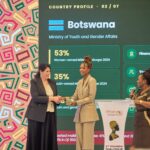
Botswana is strengthening its commitment to youth empowerment through targeted initiatives that place young people at the center of national development. Yesterday, the Ministry of Youth and Gender Affairs hosted a two day workshop focused on youth participation and engagement in policy, programming, and civic processes. The session followed the review of the National Youth Policy, which had been presented to the Youth Parliament Portfolio Committee. This strategic gathering brought together key stakeholders to align efforts and improve coordination across sectors. With support from UNICEF Botswana and the National AIDS and Health Promotion Agency, the workshop reflects a growing recognition of the need for structured youth inclusion. It also signals a shift toward building systems that support sustained engagement rather than one time participation.
The workshop was designed with clear and practical objectives aimed at strengthening the role of young people in national processes. Participants assessed the current state of youth participation to identify gaps and opportunities for improvement. The session also focused on building capacity among youth leaders and organizations, equipping them with the tools needed to engage effectively. A strong emphasis was placed on improving understanding of youth rights and responsibilities, which is essential for informed participation. In addition, the workshop aimed to develop an actionable framework that supports effective partnerships between youth and adults. These partnerships are critical in ensuring that youth perspectives are integrated into decision making at all levels.
Another key focus of the workshop was fostering collaboration and networking among stakeholders. Bringing together government representatives, development partners, and youth organizations created an environment for shared learning and idea exchange. This approach allows participants to align strategies and avoid duplication of efforts. It also helps build relationships that can support long term collaboration beyond the workshop. Effective youth engagement requires coordinated action across multiple sectors, including education, health, and economic development. By creating space for dialogue, the workshop laid the groundwork for more integrated and impactful initiatives.
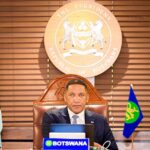
Delivering the keynote address, Honourable Minister of Youth and Gender Affairs, Ms Lesego Chombo, highlighted the demographic significance of young people in Botswana. She noted that up to 35 percent of the population is made up of youth, making their involvement in national development essential. She stressed that meaningful participation in policy formulation, programme design, and civic engagement is critical for achieving key national and global frameworks. These include Vision 2036, National Development Plan 12, Botswana Transformation and Economic Programme, and the Sustainable Development Goals. Her remarks underscored the direct link between youth engagement and national progress. She made it clear that without active youth involvement, these goals cannot be fully realized.
Minister Chombo also pointed to the growing influence of youth led activism in shaping the country’s political and social landscape. She explained that young people are increasingly holding institutions accountable and driving conversations around governance and development. This shift is contributing to a more transparent and responsive system. She added that active participation helps young people build important life skills, including leadership, resilience, and critical thinking. These skills are essential for both personal growth and national development. Her message reinforced the idea that youth engagement is not only beneficial to society but also transformative for individuals.
In her address, the Minister encouraged young leaders to continue challenging existing systems and pushing for change. She acknowledged their energy, creativity, and determination as key drivers of innovation. She urged them to remain committed to their goals and to use their voices to influence positive outcomes. According to her, the willingness of young people to question the status quo is a powerful force for progress. She emphasized that empowering youth is an investment in the country’s future. Her statement that empowering young people secures the nation’s legacy captured the long term importance of these efforts.
The workshop also featured contributions from UNICEF Representative Dr Kumanzi Mutengi, who focused on the conditions needed for young people to thrive. He stressed the importance of including youth in decision making processes, policy development, and political spaces. He encouraged stakeholders to move beyond traditional approaches and adopt more inclusive and innovative strategies. According to him, building a supportive environment for youth requires a shift in mindset and a willingness to embrace change. He called on all participants to work together in developing practical solutions that address the needs of young people. His remarks highlighted the importance of collective action in achieving meaningful results.
Dr Mutengi reaffirmed UNICEF’s commitment to supporting the Government of Botswana in advancing youth development initiatives. He emphasized that partnerships between government and development agencies are essential for scaling impact and ensuring sustainability. By combining resources, expertise, and networks, stakeholders can create more effective programs that reach a wider audience. He also noted that continuous engagement and follow up are necessary to maintain momentum. This commitment provides a strong foundation for implementing the outcomes of the workshop. It also reinforces the importance of accountability in achieving long term goals.
This workshop marks a significant step in strengthening youth participation and engagement in Botswana. It reflects a clear intention to move from policy discussions to practical implementation that delivers measurable results. By focusing on capacity building, collaboration, and accountability, the initiative addresses key barriers to effective youth involvement. The active participation of government leaders, development partners, and young people themselves demonstrates a shared commitment to progress. As Botswana continues to prioritize youth development, such initiatives will play a critical role in shaping an inclusive and forward looking society.