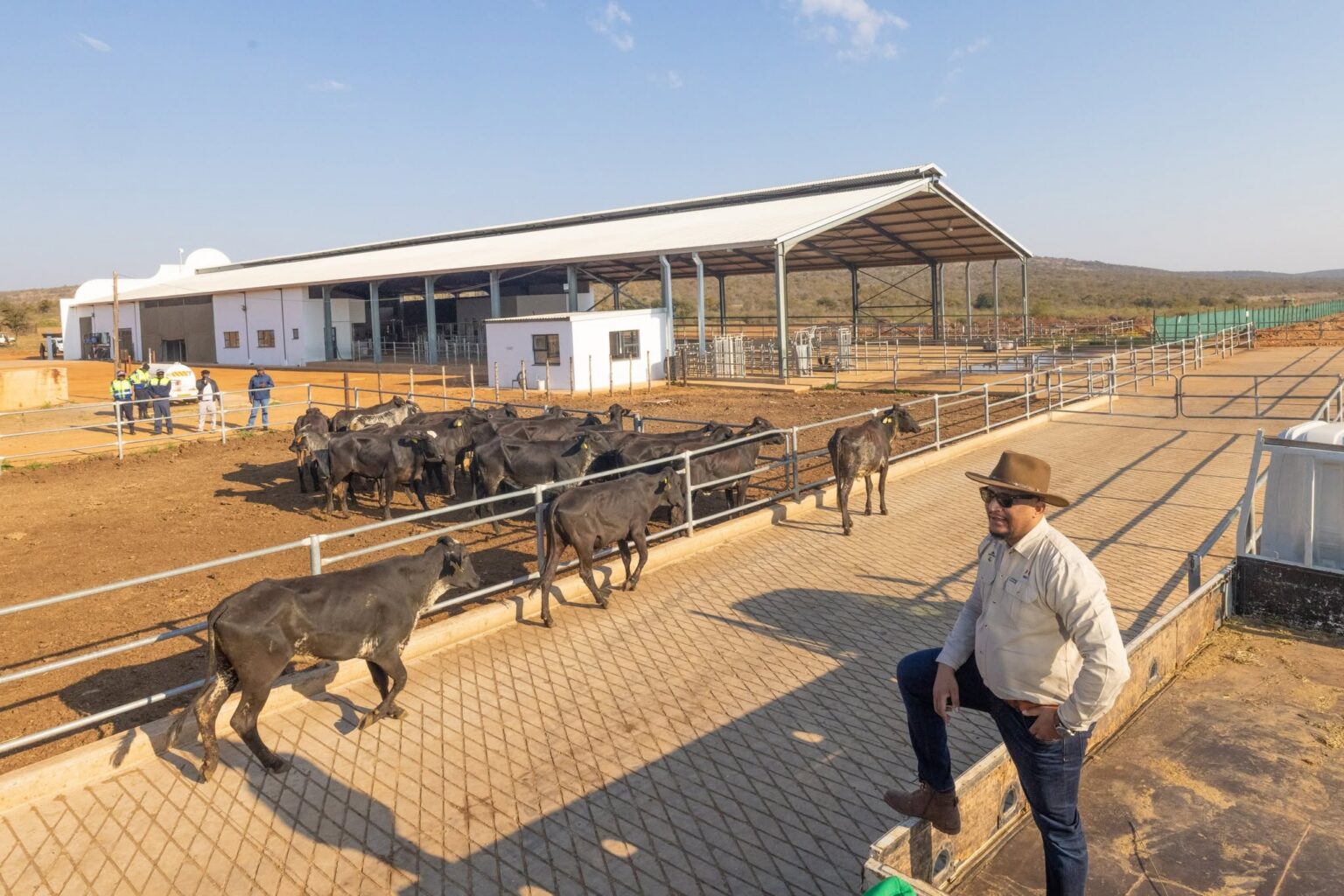
Botswana has taken a significant step toward strengthening its agricultural sector and improving food security with the arrival of the first consignment of pregnant Girolando dairy cattle from Brazil. Botswana Development Corporation Limited (BDC) yesterday welcomed the shipment as part of an ambitious project that aims to modernise the country’s dairy industry and reduce dependence on imported milk products. The arrival marks the beginning of a phased importation programme that will see 1,000 high-yield dairy cows introduced to Milk Valley Farm in Lobatse. This large-scale investment reflects Botswana’s commitment to expanding domestic agricultural production while creating sustainable economic opportunities. As the country continues to diversify its economy beyond traditional industries, investments in modern agriculture are expected to play an increasingly important role in driving long-term growth.
The first shipment consists of 186 pregnant Girolando dairy cows, which will begin an acclimatisation period under close veterinary supervision and comprehensive welfare monitoring. This careful approach is designed to ensure that the animals successfully adapt to Botswana’s climate and farming conditions while maintaining the highest standards of animal health. Biosecurity measures have been prioritised throughout the importation process to minimise disease risks and protect both the imported cattle and the country’s existing livestock population. The successful integration of these animals into Milk Valley Farm will establish the foundation for future phases of the project. Careful planning during this initial stage will also help maximise productivity as the herd expands over the coming years.
The phased importation programme will eventually bring 1,000 Girolando dairy cows from Brazil to Botswana. This investment forms part of a broader strategy to develop Milk Valley Farm into one of the country’s leading dairy production facilities. Over time, the farm aims to establish a long-term herd of approximately 3,000 cattle equipped with world-class genetics and supported by modern farming infrastructure. This expansion will significantly increase Botswana’s capacity to produce fresh milk locally while supporting the development of a more competitive dairy industry. Building a herd of this size also creates opportunities for improved breeding programmes and long-term genetic improvement within the country’s dairy sector.
One of the main objectives of the project is to increase Botswana’s domestic dairy output and reduce the country’s reliance on imported milk and dairy products. Like many countries, Botswana imports a substantial portion of its dairy requirements to meet consumer demand. Expanding local production allows the country to retain more economic value within its borders while improving supply chain resilience. Producing milk locally can also reduce transportation costs and shorten delivery times, resulting in fresher dairy products for consumers. Strengthening domestic production supports national food security by reducing exposure to international supply disruptions and changing global market conditions.
The Girolando breed has been selected because of its exceptional dairy performance and ability to thrive in challenging environmental conditions. Developed in Brazil through the crossbreeding of Holstein and Gir cattle, the Girolando combines high milk production with strong adaptability to hot climates. This unique combination makes the breed particularly suitable for Botswana’s semi-arid environment, where resilience to heat and changing weather conditions is essential for successful dairy farming. Girolando cattle are known for maintaining strong milk production while adapting well to tropical and subtropical climates. Their ability to perform under these conditions makes them an ideal choice for supporting Botswana’s long-term dairy development strategy.
Introducing world-class genetics represents one of the most significant aspects of the investment. Improved genetics enable dairy farmers to achieve higher milk yields, better reproductive performance, and healthier animals over multiple generations. High-quality breeding stock forms the foundation of a productive dairy industry by increasing efficiency and reducing production costs over time. Through careful herd management and breeding programmes, Botswana can continue improving the quality and productivity of its dairy cattle. This investment creates opportunities for long-term genetic advancement that will benefit the country’s agricultural sector well beyond the current project.
Modern infrastructure is another critical component of Milk Valley Farm’s expansion. Successful commercial dairy farming depends on advanced facilities that support animal welfare, efficient milking operations, feed management, and disease prevention. Investments in high-quality housing, feeding systems, veterinary facilities, and milk storage equipment help maximise productivity while maintaining international standards. Modern infrastructure also improves operational efficiency and enables farmers to manage larger herds more effectively. By combining advanced facilities with superior genetics, BDC aims to establish Milk Valley Farm as a model for commercial dairy production in Botswana.
Biosecurity has been identified as a top priority throughout every stage of the importation programme. Protecting livestock from infectious diseases is essential for maintaining healthy herds and ensuring the long-term success of dairy farming operations. Strict health screening, quarantine procedures, veterinary monitoring, and ongoing disease prevention measures help safeguard both imported animals and Botswana’s broader livestock industry. Maintaining high biosecurity standards also protects consumer confidence in locally produced dairy products. These measures demonstrate BDC’s commitment to responsible livestock management and sustainable agricultural development.
The project is expected to deliver important economic benefits beyond increased milk production. Expanding the dairy industry will create new employment opportunities across farming, veterinary services, transport, logistics, processing, and agricultural support services. As Milk Valley Farm grows, demand for skilled workers in animal husbandry, dairy management, and agricultural technology will also increase. This creates opportunities for knowledge transfer, workforce development, and specialised training that strengthen Botswana’s agricultural sector. Developing these skills contributes to building a more competitive and resilient agricultural economy capable of supporting future growth.
Economic diversification remains one of Botswana’s key national priorities, and agriculture has been identified as an important sector for achieving this objective. While Botswana has historically relied heavily on mining, expanding industries such as commercial agriculture can create new sources of income and employment. Investments in dairy farming help broaden the country’s economic base while improving food production and supporting rural development. Strengthening agricultural value chains also creates opportunities for local businesses involved in processing, packaging, distribution, and retail. These interconnected industries contribute to wider economic growth while increasing national self-sufficiency.
BDC Managing Director Oteng Keabetswe described the arrival of the cattle as a key turning point in building a modern and sustainable dairy industry in Botswana. He emphasised that introducing world-class genetics while prioritising animal welfare and biosecurity would strengthen milk production, create employment opportunities, develop valuable skills, and support the country’s food security and economic diversification goals. His remarks reflect the broader vision behind the investment, which extends beyond increasing milk output to building a stronger and more resilient agricultural sector. As additional phases of the importation programme continue and the herd expands toward its long-term target of 3,000 cattle, Botswana is positioning itself to become more self-sufficient in dairy production while creating lasting economic opportunities for future generations.