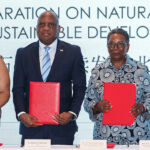

The Botswana Tourism Organisation (BTO) has taken another important step toward strengthening the country’s tourism sector through a strategic engagement with the Japan International Cooperation Agency (JICA). The meeting, led by JICA Resident Representative in Botswana, Mr. Tonokawa Hiroyashi, focused on identifying new opportunities for collaboration that will benefit Botswana’s growing tourism industry. This engagement reflects the strong and longstanding relationship between the two organisations, which have worked together on several initiatives designed to improve tourism development across the country. As global tourism continues to evolve, partnerships that promote innovation, sustainability, and professional development have become increasingly important. By deepening cooperation with JICA, BTO is reinforcing its commitment to building a tourism industry that is resilient, competitive, and capable of delivering lasting economic benefits.
Tourism remains one of Botswana’s most important economic sectors, contributing to employment, foreign exchange earnings, and community development. The country’s unique wildlife, pristine wilderness, rich cultural heritage, and world-renowned conservation efforts continue to attract visitors from around the world. Maintaining this competitive advantage requires continuous investment in skills development, destination marketing, and sustainable tourism management. BTO recognises that achieving long-term growth depends not only on promoting Botswana’s attractions but also on developing the people and institutions responsible for managing the industry. Strategic international partnerships play an essential role in helping Botswana achieve these objectives while keeping pace with changing global tourism trends.
The relationship between BTO and JICA has developed over several years through collaborative initiatives aimed at strengthening Botswana’s tourism sector. JICA has consistently supported projects that contribute to tourism development by sharing expertise, providing technical assistance, and facilitating knowledge exchange between Botswana and Japan. This partnership has enabled local tourism professionals to gain valuable insights from international experiences while adapting successful practices to Botswana’s unique environment. The latest strategic engagement reaffirmed the commitment of both organisations to continue working together on initiatives that support sustainable tourism growth. Such long-term cooperation demonstrates the value of international partnerships in creating meaningful and measurable improvements across the tourism industry.
One of the key themes discussed during the meeting was the importance of sustainable tourism development. Sustainable tourism seeks to balance economic growth with environmental conservation and social responsibility. Botswana has earned international recognition for its conservation-based tourism model, which prioritises protecting natural ecosystems while generating income for local communities. Preserving wildlife habitats, promoting responsible visitor behaviour, and supporting community participation all contribute to maintaining Botswana’s reputation as a leading ecotourism destination. Continued collaboration with international partners such as JICA helps strengthen these efforts by introducing new ideas, proven strategies, and practical solutions that support sustainable growth.
Human resource development also formed a central part of the discussions between BTO and JICA. Tourism is a people-driven industry that depends heavily on the skills, knowledge, and professionalism of those involved in planning, marketing, customer service, destination management, and policy development. As competition among global tourism destinations increases, investing in skilled professionals becomes essential for maintaining a strong market position. Well-trained tourism practitioners are better equipped to respond to changing visitor expectations, implement innovative marketing strategies, and develop tourism products that meet international standards. Strengthening the capabilities of tourism professionals ultimately benefits visitors, businesses, local communities, and the national economy.
An important outcome of the engagement is Botswana’s participation in JICA’s Country-Focused Training Program in Tourism Marketing and Promotion. This specialised training programme is designed to equip participants with practical knowledge and internationally recognised best practices in destination marketing. Participants will gain valuable skills in destination branding, allowing them to effectively communicate Botswana’s unique tourism offerings to global audiences. The programme also introduces modern data-driven marketing techniques that enable tourism organisations to make informed decisions based on visitor behaviour, market trends, and performance analytics. These skills are increasingly important as digital marketing, online travel platforms, and changing consumer preferences reshape the global tourism landscape.
Destination branding has become one of the most powerful tools for attracting international visitors. Countries around the world compete to establish distinctive identities that appeal to travellers seeking memorable experiences. Botswana already enjoys a strong reputation for wildlife conservation, luxury safari experiences, and pristine natural environments. However, maintaining and expanding this reputation requires continuous innovation in marketing and communication strategies. Through JICA’s training programme, tourism professionals will gain deeper insights into building compelling destination brands that highlight Botswana’s unique strengths while appealing to diverse international markets. Strong branding not only attracts visitors but also strengthens investor confidence and supports long-term tourism growth.
The emphasis on data-driven marketing represents another significant opportunity for Botswana’s tourism sector. Modern tourism marketing increasingly relies on analysing visitor data, digital engagement metrics, booking patterns, and consumer preferences. These insights help tourism organisations develop targeted campaigns that maximise marketing efficiency and improve return on investment. Data analysis also enables tourism planners to identify emerging travel trends, understand seasonal demand, and tailor tourism products to meet changing market needs. By integrating these approaches into Botswana’s tourism strategy, BTO can strengthen its ability to compete effectively in international tourism markets while making better-informed strategic decisions.
Knowledge exchange remains one of the most valuable aspects of international cooperation between organisations such as BTO and JICA. Every country develops unique experiences and solutions in tourism management, marketing, conservation, and community engagement. Sharing these experiences allows both partners to learn from each other’s successes and challenges. Botswana can benefit from Japan’s expertise in tourism promotion, innovation, and service excellence while contributing its own experience in conservation-based tourism and sustainable destination management. Such exchanges create opportunities for continuous learning that strengthen institutions and improve tourism outcomes over time.
Capacity building extends beyond individual training by strengthening institutions responsible for tourism planning and implementation. Effective tourism development requires strong organisations that can design policies, coordinate stakeholders, monitor industry performance, and respond to emerging challenges. By investing in institutional development, BTO is creating a stronger foundation for future tourism growth. Partnerships with organisations like JICA provide access to technical expertise, professional networks, and international best practices that enhance organisational effectiveness. Strong institutions are better positioned to support tourism businesses, encourage investment, and deliver high-quality services that benefit both visitors and local communities.
International cooperation has become increasingly important as tourism faces new global challenges, including climate change, technological transformation, changing traveller expectations, and economic uncertainty. Collaborative partnerships enable countries to share resources, exchange expertise, and develop innovative solutions that strengthen industry resilience. Botswana’s continued engagement with respected international development partners demonstrates its commitment to remaining proactive in addressing these challenges. Working together with organisations such as JICA creates opportunities to adopt modern approaches while preserving Botswana’s unique cultural and environmental assets. These partnerships also strengthen Botswana’s visibility within the global tourism community.
The strategic engagement between the Botswana Tourism Organisation and the Japan International Cooperation Agency reflects a shared vision for the future of Botswana’s tourism industry. By focusing on sustainable tourism, human resource development, destination marketing, institutional capacity, and international knowledge exchange, both organisations are laying the foundation for long-term growth and competitiveness. The Country-Focused Training Program in Tourism Marketing and Promotion will provide valuable opportunities for tourism professionals to acquire practical skills that strengthen Botswana’s position in the international tourism market. As BTO continues investing in strategic partnerships and professional development, the country is well positioned to build a tourism sector that supports economic growth, protects its natural heritage, and delivers meaningful benefits to communities across Botswana for generations to come.